Arthur Zwane stood before a crowd at Meadowlands Stadium on Youth Day 2026, tracing his footballing journey back to the cracked concrete pitches where he learned the game as a child. The former Kaizer Chiefs midfielder and Bafana Bafana international told the assembled thousands that every skill he ever mastered could be traced to those early days in the township. "The streets of Soweto did not just raise me," he said. "They trained me."
Youth Day Returns to Meadowlands
June 16 marks the anniversary of the 1976 Soweto Uprising, when police opened fire on students protesting the forced introduction of Afrikaans as a medium of instruction. The commemoration has grown into a national holiday honouring young people and the struggle for education. This year, the ceremony at Meadowlands drew thousands of residents, veterans of the liberation movement, and local football supporters. The venue holds particular significance for Zwane, who grew up within walking distance of the stadium.
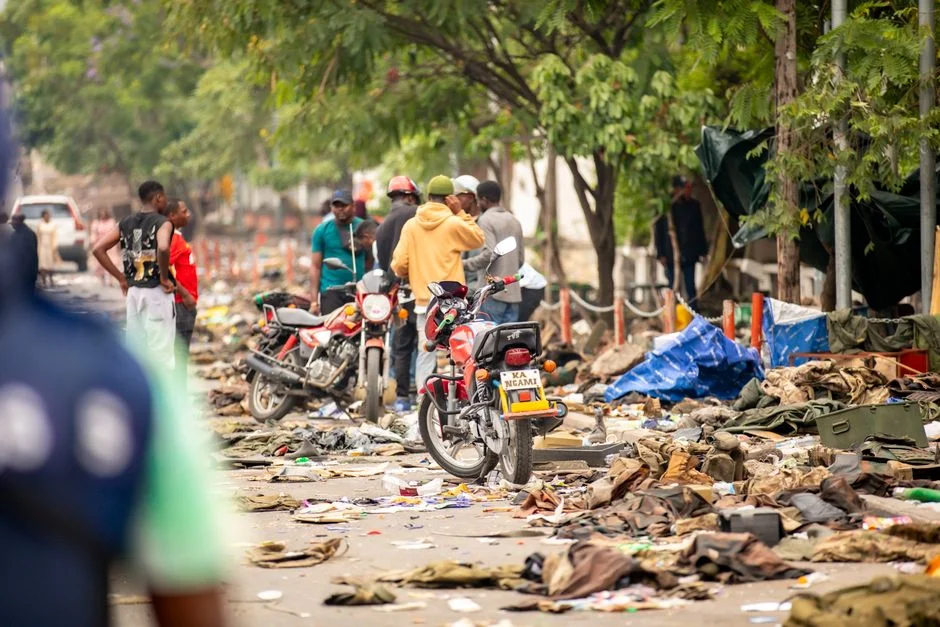
The programme included performances by local choirs, readings by veteran activists, and the unveiling of a new mural commemorating fallen students. Zwane was invited to speak specifically about the role of sport in youth development. His address drew loud applause when he described football as a "school of survival" for township children who lacked resources but possessed endless ambition.
From Pickup Games to Professional Football
Zwane was born in Meadowlands in 1973, a year before the Soweto Uprising. He described playing football on uneven ground with makeshift balls fashioned from plastic bags and string. There were no coaching manuals, no structured training sessions. Everything he learned came from older boys who had picked up tricks from watching professional matches on grainy television screens. "We studied players on television," he told the crowd. "We copied their movements, their feints, their celebrations."
His talent attracted the attention of Kaizer Chiefs scouts while he was still a teenager. He joined the club's youth academy at 16 and made his professional debut at 19. Over the next fifteen years, he became one of the most respected midfielders in South African football, earning 27 caps for Bafana Bafana and scoring three international goals. He retired from professional football in 2012 but has remained connected to Chiefs as a mentor and ambassador.
The Township as Training Ground
The unyielding surfaces of Soweto pitches, Zwane explained, built resilience that manicured stadium turf never could. When defenders lunged at him on the streets, there was no referee to call a foul. When shots flew wide, there was no groundsman to retrieve them. Every session on the streets taught speed, spatial awareness, and the ability to read opponents without the benefit of replays. "You had to think faster," he said. "The street was always harder than any professional pitch I ever played on."
The Meadowlands area specifically produced a disproportionate number of South Africa's footballing talent during the 1990s and 2000s. Zwane attributed this to a combination of population density, cultural passion for the sport, and what he called "survival instinct." Young men in the township saw professional football as one of the few realistic paths to economic advancement. That hunger, he argued, was the township's greatest competitive advantage.
A Legacy Passed Down
After his playing career ended, Zwane established a youth academy in Meadowlands that has produced several players who have signed contracts with Premier Soccer League clubs. He runs training sessions three evenings per week on the same pitches where he grew up. The academy currently has 45 registered players aged between 8 and 17. Local media outlet Backpagepix reported last year that Zwane's programme had placed twelve players in professional academies since its founding in 2015.
Zwane told the Youth Day audience that he views his coaching work as an extension of his obligation to the community. "The streets gave me everything," he said. "I have a duty to give back." He recalled a conversation with a young player who complained about the hardness of the training ground surface. "I told him, this ground made me. The softness comes later, when you earn it."
Football and Memory on June 16
For many South Africans, the intersection of Youth Day and football culture is deeply felt. The 1976 uprising was partly fuelled by frustration among youth over limited opportunities and oppressive government policies. Football served as an outlet, a language, and eventually a vehicle for social mobility. Zwane's narrative connects those threads directly. He spoke of his generation inheriting the courage of the 1976 students while pursuing dreams they could not have imagined without their sacrifice.
Elected officials present at the ceremony praised Zwane's commitment to youth development. The Gauteng Provincial Sports Department announced it would increase funding to community football programmes in Soweto by an unspecified amount beginning in the next fiscal year. Department representatives said the announcement responded to documented demand for structured sporting activities in townships where youth unemployment remains high.
What Comes Next
Zwane announced at the event that his academy would expand next year to include a girls' programme, responding to growing interest from young women in the township. He also revealed plans to partner with Kaizer Chiefs to create a talent identification pipeline that would give Meadowlands players direct access to professional trials. The Chiefs management confirmed in a statement that preliminary discussions had taken place.
For Zwane, the work continues beyond the commemoration. The dusty streets of Soweto still host pickup games every weekend. Young boys still fashion balls from plastic bags. The next Arthur Zwane might already be among them, waiting for someone to notice. "My job is to keep watching," he said. "And to make sure when we find them, we do not waste what they have."
See Also
- Cape Town Storm Shatters Table Mountain Parks
- Madlanga Task Team Seizes Saps Forensic Captain in Shock Arrest
He also revealed plans to partner with Kaizer Chiefs to create a talent identification pipeline that would give Meadowlands players direct access to professional trials. "The street was always harder than any professional pitch I ever played on."The Meadowlands area specifically produced a disproportionate number of South Africa's footballing talent during the 1990s and 2000s.
What is the latest news about arthur zwane reveals how sowetos streets built a kaizer chiefs legend?
Why does this matter for education?
What are the key facts about arthur zwane reveals how sowetos streets built a kaizer chiefs legend?