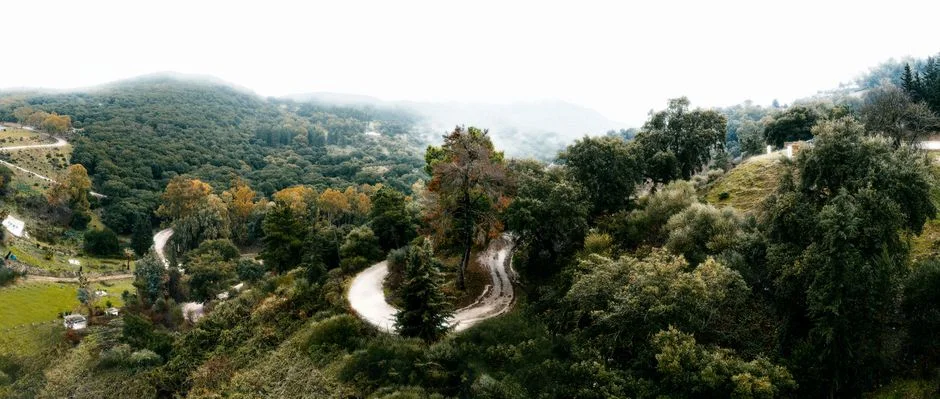
Torrential rains and fierce winds have battered Table Mountain, leaving Cape Town’s most iconic natural landmark in a state of disarray. The City of Cape Town has confirmed that several key parks and nature reserves sustained heavy damage during the severe weather event that struck the region. Residents and tourists alike are assessing the extent of the destruction as cleanup crews begin their work.
Extent of the Damage
The storm unleashed a combination of heavy rainfall and gusting winds that reached speeds of up to 60 kilometers per hour in some areas. This dual assault caused immediate and visible damage across the mountain’s trails and parklands. Large trees have been uprooted, blocking access to popular hiking routes and scenic viewpoints.

Officials report that the damage is widespread, affecting both the upper slopes and the lower valley floors. The City of Cape Town has deployed emergency teams to clear debris and assess structural integrity. Roads leading to the mountain have seen intermittent closures due to falling branches and mudslides.
The impact extends beyond the mountain itself, affecting surrounding neighborhoods and infrastructure. Power outages have been reported in adjacent suburbs, compounding the inconvenience for locals. The sheer volume of water has also led to flash flooding in low-lying areas of the park.
Impact on Key Locations
Kirstenbosch National Botanical Gardens, located on the eastern slopes of Table Mountain, has emerged as one of the hardest-hit areas. The gardens, known for their diverse plant species and historic structures, suffered from fallen trees and waterlogged paths. The South African National Biodiversity Institute is working to evaluate the botanical losses.
The Tafelberg Nature Reserve, a critical habitat for local wildlife, has also faced significant challenges. Many small mammals and birds have been displaced due to the destruction of their natural shelters. Conservationists are monitoring the situation to ensure that the ecological balance is not permanently disrupted.
Trail Closures and Accessibility
Several major hiking trails have been temporarily closed to allow for thorough inspections. The Platteklip Gorge, a popular route for hikers seeking a direct ascent, is currently under evaluation. Safety remains the top priority as officials check for loose rocks and unstable ground.
The Upper Chain Ledge Trail, which offers panoramic views of the city, is also affected. Fallen boulders have blocked sections of the path, making it hazardous for the average hiker. The City of Cape Town advises visitors to check the latest updates before planning their ascent.
Access to the Table Mountain Aerial Cableway has been intermittent. The cable cars, which transport thousands of visitors daily, have faced mechanical and weather-related delays. The operation team is working around the clock to resume full service.
City of Cape Town Response


The City of Cape Town has launched a coordinated response to manage the aftermath of the storm. Mayor Geordin Hill-Lewis has addressed the public, outlining the immediate steps being taken to restore normalcy. The municipality has allocated emergency funds to accelerate the cleanup process.
Emergency services, including the fire department and police, have been on high alert throughout the event. They have responded to numerous calls regarding fallen trees, power lines, and stranded hikers. The rapid response has helped minimize potential casualties and further property damage.
Public communication has been a key component of the city’s strategy. Regular updates are being posted on social media platforms and the city’s official website. This transparency aims to keep residents and tourists informed about trail statuses and park conditions.
Ecological Consequences
The ecological impact of the storm on Table Mountain is a subject of ongoing study. The mountain is home to thousands of plant species, many of which are endemic to the region. The loss of large trees can affect the microclimates that support these delicate ecosystems.
Soil erosion is another major concern. The heavy rains have washed away topsoil in several areas, which could lead to long-term changes in vegetation patterns. Conservation groups are working to stabilize the soil and plant new seedlings where necessary.
Wildlife populations are also under scrutiny. The storm has disrupted nesting sites and foraging grounds for various species. Biologists are tracking the movements of animals like the klipspringer and the dassie to assess their resilience to the disturbance.
Tourism and Economic Effects
Tourism is a vital economic driver for Cape Town, and Table Mountain is its crown jewel. The damage to the park could have immediate and long-term effects on visitor numbers. Hotels and tour operators are already adjusting their offerings to accommodate the changing conditions.
Local businesses, including cafes and souvenir shops located at the mountain’s base, are feeling the pinch. Reduced foot traffic means lower revenues, which can strain small enterprises that rely on daily customers. The city is considering temporary relief measures to support these businesses.
The broader economic impact depends on how quickly the mountain can recover. If the trails remain closed for an extended period, tourists might opt for other destinations in the Western Cape. This could shift spending patterns and affect local employment rates.
Historical Context of Storms
Table Mountain is no stranger to severe weather, but the recent storm stands out for its intensity. Historical records show that the mountain experiences strong southeasterly winds, known as the "Cape Doctor," which can clear the air but also cause damage. However, the combination of wind and rain in this event was particularly potent.
Past storms have left lasting marks on the landscape. The Great Storm of 2010, for example, caused significant flooding and trail damage. Comparisons are being drawn to understand if the recent event follows a similar pattern or represents a new trend in local weather behavior.
Climate change is increasingly cited as a factor in the frequency and severity of storms in the region. Scientists are analyzing data to determine if the mountain is becoming more vulnerable to extreme weather events. This analysis will inform future planning and conservation efforts.
Recovery and Future Outlook
The recovery process will take time, but initial assessments suggest that the mountain is resilient. Many of the damaged trees are part of a natural cycle of growth and decay. However, strategic interventions will be needed to restore popular trails and protect key habitats.
The City of Cape Town plans to release a detailed report on the damage within the next two weeks. This report will guide the allocation of resources and the prioritization of repair work. It will also provide insights into how future storms might be managed more effectively.
Residents and tourists are advised to stay informed about the latest developments. The mountain’s beauty remains intact, but the path to full recovery requires patience and coordinated effort. Watching the progress of the cleanup and ecological restoration will be key in the coming months.
See Also
- South Africa Halts PAGAD Threats — New Strategy Revealed
- Kim Jayde Triggers Sneaker Mania on Prime Time TV
What is the latest news about cape town storm shatters table mountain parks?
Why does this matter for education?
What are the key facts about cape town storm shatters table mountain parks?