The Madlanga Commission has arrested the captain of the South African Police Service’s Forensic Science Laboratory in Pretoria. This action marks a significant escalation in the probe into long-standing allegations of corruption and inefficiency within the national police force. The arrest took place on the doorstep of the officer’s residence, signaling a direct challenge to the internal management of the SAPS.
Observers note that the forensic lab is the backbone of criminal investigations across South Africa. When evidence is mishandled, high-profile cases can collapse under the weight of procedural errors. The Madlanga Task Team moved quickly to secure the suspect, ensuring that key testimonies are not lost to bureaucratic delays. This development adds urgency to the ongoing quest for accountability in the justice system.
Details of the Arrest and Immediate Aftermath
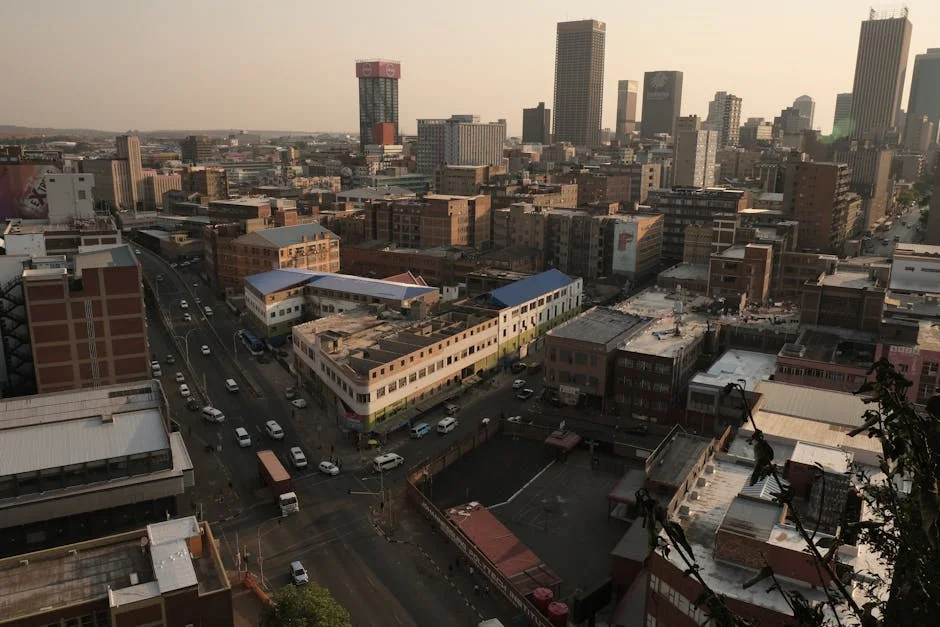
The officer, identified only as the Captain of the Forensic Science Laboratory, was taken into custody by a specialized task team appointed by Justice Minister Ronald Lamola. The arrest occurred in the early hours of the morning in Pretoria, the administrative capital of South Africa. Police sources confirmed that the captain was presented with a statement of facts outlining the charges.
The statement of facts includes allegations of fraud, common law theft, and corruption. These charges stem from an investigation into the procurement of forensic equipment and the management of laboratory budgets. The Madlanga Commission, officially known as the Commission of Inquiry into Priority Crimes and Corrupt Activities in the SAPS, has been scrutinizing the police force for over three years. The captain’s arrest is one of the highest-ranking detentions in the forensic division to date.
The officer was granted bail pending further inquiries, but the pressure on the SAPS leadership remains intense. The arrest was not a surprise to insiders who have watched the task team widen its net. It demonstrates that the commission is willing to target mid-level management, not just the top brass. The forensic lab’s ability to function smoothly is now under direct threat as staff adjust to the sudden departure of their leader.
The Madlanga Commission’s Expanding Reach
The Madlanga Commission was established to investigate priority crimes within the South African Police Service. Its mandate covers everything from the disappearance of evidence to the mismanagement of funds. The commission has already named several key figures, including former National Commissioner General Bheki Cele and current leadership. The arrest of the forensic captain fits into a broader pattern of targeting specific departments that have shown signs of decay.
Focus on Forensic Science
The Forensic Science Laboratory is critical for converting physical evidence into admissible proof in court. DNA samples, ballistics reports, and fingerprint analyses all flow through this unit. If the captain oversaw significant errors or financial irregularities, the integrity of thousands of cases could be questioned. The task team has been examining contracts for new equipment, such as DNA sequencers and digital imaging tools. These purchases have been plagued by delays and cost overruns in recent years.
The commission’s work involves interviewing witnesses, reviewing documents, and analyzing financial records. The captain’s testimony will likely reveal how decisions were made at the top of the laboratory. Other officers may follow if the evidence points to a collective effort to shield the department from scrutiny. The Madlanga Commission has stated that no one is safe from the inquiry if the facts demand it. This approach has bolstered public confidence in the process, even if the results are slow to materialize.
Impact on South Africa’s Justice System


South Africa’s justice system relies heavily on the efficiency of the SAPS. When forensic evidence is delayed or disputed, trials are postponed, and suspects remain in jail or on bail for longer periods. The arrest of the lab captain highlights the fragility of this chain of evidence. High-profile cases, such as the State Capture trial and various murder appeals, have hinged on forensic accuracy. Any suggestion of corruption in the lab casts a shadow over these proceedings.
The public has grown increasingly impatient with the pace of justice in South Africa. High crime rates and long waiting times for trial dates have fueled dissatisfaction. The forensic lab’s reputation has taken hits over the years due to reports of missing files and outdated technology. This arrest is a tangible step toward addressing those complaints. It shows that the government is willing to act on the findings of the inquiry rather than letting them gather dust in a committee room.
The SAPS leadership has faced calls to overhaul the forensic division. The arrest adds credibility to these demands. Critics argue that the laboratory has been underfunded and mismanaged for decades. The task team’s investigation into the captain’s tenure may uncover systemic issues that require more than just one arrest to fix. The government must decide whether to invest in new infrastructure or continue with stopgap measures.
Broader Implications for the SAPS
The South African Police Service is undergoing a period of intense scrutiny. The Madlanga Commission is just one of several bodies examining the force’s performance. The arrest of the forensic captain sends a clear message to other departments that accountability is spreading. It forces officers to review their own conduct and financial dealings within the service. This internal pressure can lead to both reforms and resistance, depending on how leadership handles the situation.
The SAPS has a history of internal politics and factionalism. The forensic division is no exception. The captain’s arrest may expose rivalries and alliances within the laboratory. Other officers might step forward with information to secure their own positions or to settle scores. The commission must navigate these dynamics carefully to ensure that the truth emerges. The integrity of the investigation depends on the quality of the evidence collected during this phase.
International observers are also watching the process. South Africa’s image as a regional leader in law enforcement depends on the credibility of its institutions. If the forensic lab is found to be corrupt, it could affect bilateral agreements and international cooperation on crime. The arrest demonstrates that the country is not hiding its problems, which can be a positive sign for foreign partners. However, the outcome of the trial will determine whether the reforms are seen as genuine or merely symbolic.
Public Reaction and Media Coverage
The news of the arrest has dominated headlines in South Africa. Media outlets have reported extensively on the details, highlighting the significance of the forensic lab’s role. Social media has reacted with a mix of optimism and skepticism. Many citizens welcome the move as a step toward cleaner policing, while others question whether the captain is a scapegoat. The debate reflects the broader uncertainty about the effectiveness of the Madlanga Commission.
Legal experts have weighed in on the potential charges. They note that proving corruption in forensic science can be complex. It requires linking financial transactions to specific errors in evidence handling. The prosecution will need to present a clear narrative that connects the captain’s actions to tangible outcomes in court cases. This will be a test of the commission’s investigative skills and the quality of the evidence gathered so far.
The public’s trust in the SAPS is at a critical juncture. Each arrest and revelation either rebuilds or erodes confidence. The forensic lab is a visible part of the police service, and its performance is directly felt by victims of crime. The arrest is a concrete action that the public can understand and judge. It provides a focal point for the ongoing conversation about policing and justice in South Africa. The outcome will influence how citizens view the effectiveness of the current administration.
What to Watch Next
The immediate focus shifts to the court proceedings for the arrested captain. The next hearing is scheduled to determine if the bail conditions hold or if further charges are added. The Madlanga Commission will continue its inquiry into other departments, including the Crime Intelligence Division and the Special Investigation Unit. More arrests are likely as the task team deepens its dive into the SAPS records. Readers should monitor the commission’s weekly reports for new names and details. The coming months will reveal whether this arrest is the start of a broader purge or an isolated incident.
See Also
- Spotify Unveils Your Full Music History — The End of Annual Summaries
- United States Launches New Initiative to Scale AI – What Are the Stakes?
Media outlets have reported extensively on the details, highlighting the significance of the forensic lab’s role. Critics argue that the laboratory has been underfunded and mismanaged for decades.