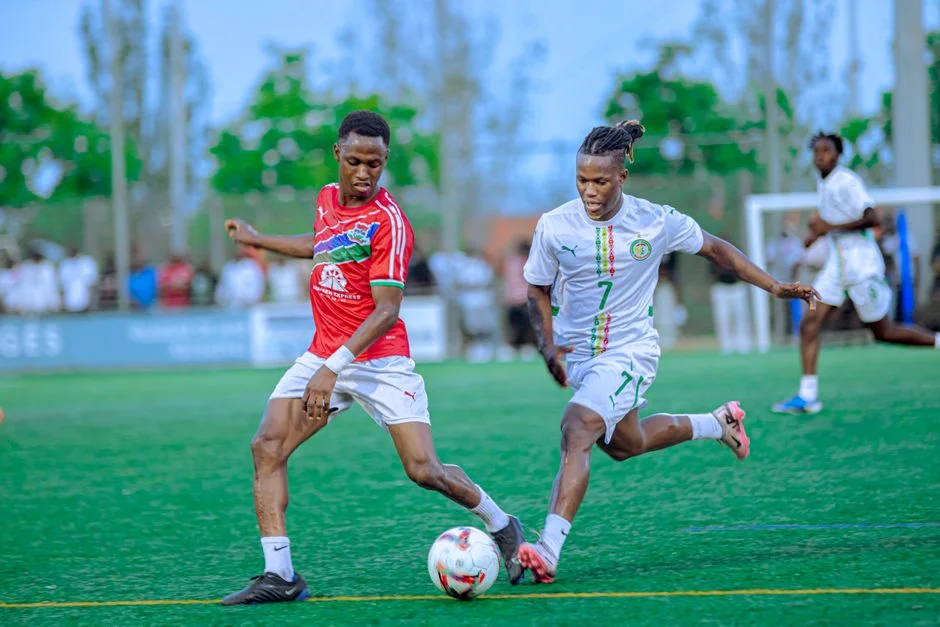
Uzbekistan stepped onto football's biggest stage for the first time on Thursday, marking a milestone that has been 30 years in the making for the Central Asian nation. The debut came during a Group C match against a formidable opponent, capping a remarkable qualification campaign that saw the team overcome more established football nations.
From Soviet Republic to World Cup Contender
Uzbekistan earned its place at the tournament through a grueling Asian qualification process. The team finished second in its group behind Iran, amassing 21 points across ten matches. Head coach Igor Shalimov guided the squad through a series of crucial victories that secured the historic qualification.
The journey to the World Cup began when Uzbekistan gained independence following the Soviet Union's dissolution in 1991. For three decades, the country built its football infrastructure from the ground up, establishing domestic leagues and youth development programs that eventually produced a generation of players capable of competing at the highest level.
What Central Asia's First World Cup Means
The debut transforms Uzbekistan into a trailblazer for a region of roughly 75 million people spanning Kazakhstan, Kyrgyzstan, Tajikistan, and Turkmenistan alongside Uzbekistan. No team from this geographic area had previously reached the World Cup, making Thursday's appearance a watershed moment for football development across Central Asia.
Regional football officials have pointed to Uzbekistan's success as a potential catalyst for investment in youth academies and coaching education across the region. The ripple effects could reshape football's competitive landscape in Asia for years to come.
Fan Response and National Pride
Tashkent erupted with celebrations when the final whistle confirmed qualification. Streets filled with fans waving the national flag, many wearing the bright yellow jerseys of the Uzbek national team. Supporters described the achievement as validation for years of investment and patience.
Young footballers across the region now have a tangible example of what is possible. The visibility of Uzbekistan's participation could inspire a new generation of players and coaches throughout Central Asia.
The Squad and Playing Style
The Uzbek roster blends experienced European-based professionals with domestic league talent. Several players have featured regularly in Russia's Premier League and other European competitions, providing the squad with valuable international experience.
The team employs a disciplined defensive structure designed to frustrate more attacking-minded opponents. Counter-attacks through wide channels represent the primary offensive strategy, exploiting the pace of wingers who have developed their craft in competitive European environments.
Economic and Political Dimensions
The World Cup appearance carries significance beyond sport. Uzbekistan's government has invested heavily in football infrastructure as part of broader efforts to improve the country's international image and attract foreign investment. The visibility of a successful national team supports these diplomatic and economic objectives.
Sports economists estimate that a strong World Cup performance could generate tens of millions of dollars in tourism revenue and merchandise sales for Uzbekistan. The government has already announced plans to leverage the participation for international promotional campaigns.
Looking Ahead: Group Stage Prospects
Uzbekistan faces a challenging group featuring established football powers. The team must navigate matches against opponents with deeper World Cup experience and larger footballing budgets. However, the squad has demonstrated resilience throughout qualification, recovering from early setbacks to secure crucial results.
Performance in the opening match will set the tone for the campaign. A positive result could build momentum and confidence, while a defeat would require the team to regroup quickly for subsequent fixtures.
Football fans across Uzbekistan and the broader Central Asian region will be watching closely. The team carries the hopes of an entire region that has long awaited representation on football's grandest stage.
See Also
- South Africa's DA Youth Leader Slams Anti-GNU Criticism
- Iran Conflict Enters Week Four, Markets Watch for Impact