The Ospreys nesting at the Massachusetts Audubon Society’s Wellfleet Bay Wildlife Sanctuary have successfully hatched their fourth and final egg of the season. This event marks a significant moment for the ongoing conservation efforts for these birds, as the chicks began emerging on April 22, 2023. The hatching was streamed live via webcams, allowing bird enthusiasts to witness the event in real-time.
Conservation Efforts and Osprey Population
Ospreys, known for their striking appearance and hunting prowess, have faced numerous challenges in previous decades due to habitat loss and environmental pollutants. However, through conservation initiatives led by organizations like the Massachusetts Audubon Society, these birds have seen a remarkable resurgence. The use of webcams has played a pivotal role in raising awareness about Ospreys and their habitats.
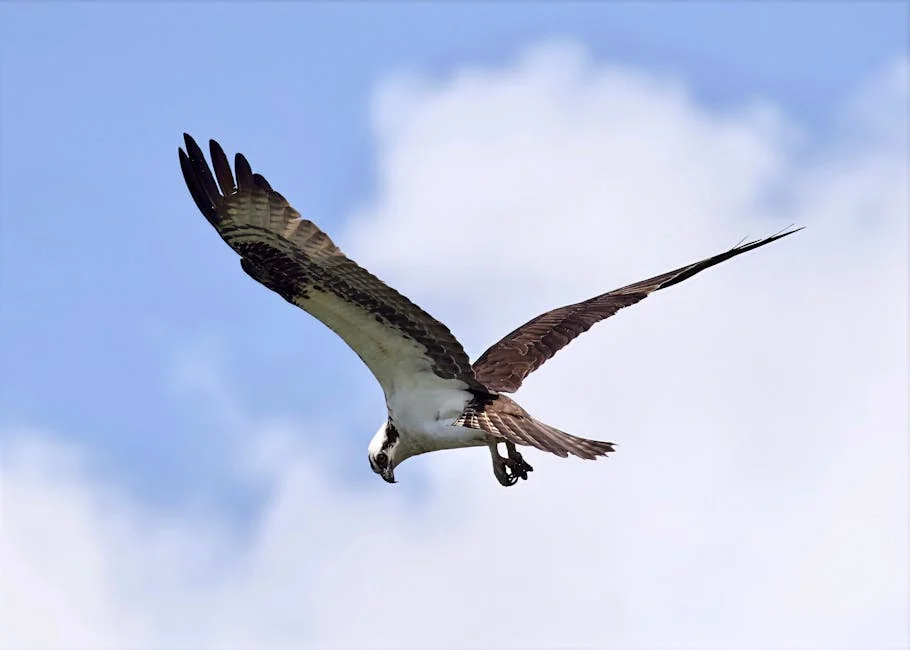
By monitoring Ospreys in their natural environment, researchers have gained valuable insights into their behaviours and challenges. This data is crucial as it informs conservation strategies aimed at protecting these birds and their ecosystems. The latest hatching showcases the success of these efforts and the growing Osprey population in the region.
Impact of Webcams on Public Engagement
The live streaming of the Osprey nests has attracted a large following, with thousands of viewers tuning in daily. This accessibility allows the public to engage with wildlife in a unique way, fostering a sense of connection to nature that many may not experience otherwise. The webcams have drawn attention to the beauty and importance of these birds, encouraging viewers to participate in conservation activities.
According to the Massachusetts Audubon Society, the webcams are not only instrumental for research but also for educational purposes. They serve as a platform to inform viewers about Ospreys and the challenges they face, from climate change to human encroachment. This outreach encourages individuals and families to support local conservation efforts.
Challenges Ahead for Ospreys


Despite the recent successes, Ospreys still face numerous threats. Climate change continues to impact their food sources, with warmer temperatures affecting fish populations. Pollution and habitat destruction remain significant concerns, particularly as urban development encroaches on their nesting sites.
The Osprey population is also vulnerable to extreme weather events, which can disrupt nesting and feeding. As these birds expand their range and adapt to changing conditions, continuous monitoring and conservation efforts will be essential. The ongoing use of webcams is expected to help track these changes in real-time, providing crucial data for researchers.
Looking Ahead: What’s Next for the Osprey Family?
As the chicks continue to grow, they will rely heavily on their parents for food and protection. Nesting season typically lasts until late summer, giving the chicks ample time to develop their flying skills before leaving the nest. Birdwatchers and conservationists alike are eager to see how the family progresses in the coming weeks.
The success of this year's nesting season shows the potential for Ospreys to thrive in the wild. With an increase in public interest and support for conservation efforts, the future of these birds looks promising. Observers should keep an eye on the webcams for updates on the chicks as they learn to fly and eventually migrate.
See Also
- Jude Law Ignites Romance Rumors With Passionate PDA in Rome
- Emma Raducanu Dropped From Rome Open — Injury Update Revealed
Pollution and habitat destruction remain significant concerns, particularly as urban development encroaches on their nesting sites.The Osprey population is also vulnerable to extreme weather events, which can disrupt nesting and feeding. Climate change continues to impact their food sources, with warmer temperatures affecting fish populations.