A British-flagged cruise vessel is racing toward the Canary Islands after medical teams evacuated three passengers showing severe symptoms of Hantavirus. The ship, identified as the Hondius, altered its course mid-Atlantic to reach medical facilities in Las Palmas. This development raises immediate questions about onboard containment and the potential for further infections among the remaining crew and guests.
Emergency Evacuation Triggers Route Change
The decision to divert the Hondius came after medical assessments confirmed that three individuals exhibited classic signs of Hantavirus infection. These symptoms included fever, muscle aches, and sudden onset of shortness of breath. Medical staff on board worked quickly to isolate the patients before transferring them to a local hospital in the Canary Islands.
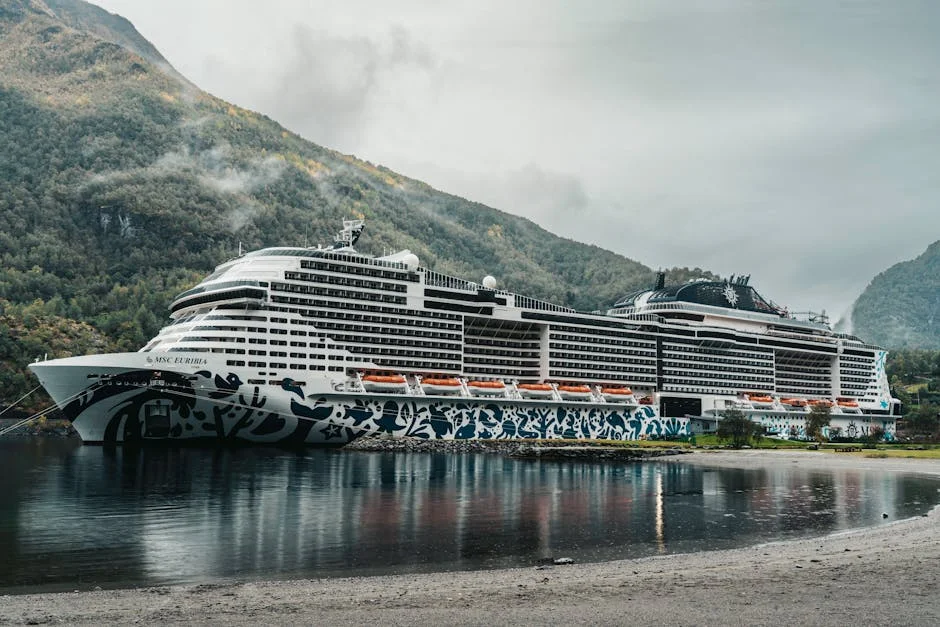
Las Palmas de Gran Canaria served as the primary landing point due to its proximity and advanced medical infrastructure. The city’s Gran Canaria University Hospital has a dedicated infectious disease unit capable of handling complex viral cases. Authorities on the island were alerted hours before the ship’s arrival to prepare isolation wards and quarantine protocols.
The speed of the response highlights the logistical challenges of treating passengers in the middle of the ocean. Without immediate access to intensive care, Hantavirus patients can deteriorate rapidly, often within days of initial exposure. The evacuation marks the first major health crisis involving this virus on a commercial cruise in recent years.
Understanding the Hantavirus Threat
Hantavirus is a zoonotic disease, meaning it is primarily transmitted from animals to humans. The most common vector is the deer mouse, which sheds the virus through its urine, droppings, and saliva. When humans inhale aerosolized particles from these secretions, the virus can enter the respiratory system and begin replicating.
In North America, the Sin Nombre virus is the most prevalent strain. It causes Hantavirus Pulmonary Syndrome (HPS), a severe respiratory disease with a mortality rate of approximately 36%. In Europe and Asia, the Hantavirus Hemorrhagic Fever with Renal Syndrome (HFRS) is more common, affecting the kidneys and blood vessels.
Transmission Risks on a Cruise Ship
Cruise ships present a unique environment for viral transmission. Enclosed spaces, shared air circulation systems, and close quarters among hundreds of people create ideal conditions for an outbreak. If a mouse infestation occurred in the ship’s storage or engine rooms, passengers and crew could easily be exposed to contaminated dust.
Health officials are investigating whether the initial exposure happened before the ship departed or during the voyage. The incubation period for Hantavirus ranges from one to eight weeks, making it difficult to pinpoint the exact moment of infection. This uncertainty complicates the quarantine process for those who remained on board.
The British flagging authority has launched a preliminary inquiry into the ship’s maintenance records. They are looking for evidence of recent pest control measures and any prior sightings of rodents in the vessel’s lower decks. This information is crucial for determining if the outbreak was an isolated incident or part of a broader pattern.
Why This Matters for Travelers

The incident on the Hondius serves as a stark reminder of the health risks associated with long-distance travel. While cruise lines are generally known for their rigorous cleaning standards, pests can still find their way into even the most well-maintained vessels. Passengers often assume that once they step off the dock, they are in a controlled environment, but biological threats can be unpredictable.
For the United States, this event offers a case study in how quickly a localized health issue can become an international concern. Many American travelers choose the Canary Islands as a winter destination due to its mild climate and direct flight connections. If the virus spreads further, it could impact tourism flows and insurance claims for future cruises.
The British impact on the United States in this context is subtle but present. Since the ship flies the British flag, UK maritime health regulations apply. These standards often influence how American cruise lines prepare for health emergencies, creating a ripple effect across the industry. Understanding these regulatory frameworks helps travelers assess the level of protection they can expect.
Medical Response and Isolation Protocols
Upon arrival in Las Palmas, the three evacuated patients were placed in high-dependency units. Doctors are monitoring their lung function and kidney health closely. Hantavirus treatment is largely supportive, meaning that patients receive oxygen therapy, intravenous fluids, and sometimes dialysis to manage symptoms while the immune system fights the virus.
The remaining passengers and crew on the Hondius are undergoing temperature checks and symptom screenings. Health officials have advised anyone who feels unwell to report to the ship’s medical center immediately. This proactive approach aims to catch any secondary cases before they become critical.
Quarantine measures on a cruise ship are complex because the vessel is essentially a floating city. Isolating individuals requires balancing medical needs with passenger comfort. The ship’s medical team is working with epidemiologists on land to determine the optimal length of the quarantine period. This duration will depend on the incubation time of the specific Hantavirus strain involved.
Historical Context of Hantavirus Outbreaks
Hantavirus is not new to the world of infectious diseases. It was first identified in 1913 in Korea, where it was known as the Korean Hemorrhagic Fever. The virus gained global attention in 1993 when an outbreak in the Four Corners region of the United States claimed the lives of five hikers. This event led to the identification of the Sin Nombre virus and spurred extensive research into Hantavirus strains.
Since then, Hantavirus has been reported in every continent except Australia. In Europe, the Puumala virus is a common cause of HFRS, particularly in Scandinavia and Central Europe. The Canary Islands have their own history with Hantavirus, with the Thottapalayam virus being a local strain. This local expertise may aid in the diagnosis and treatment of the current cases.
The frequency of Hantavirus outbreaks is often linked to environmental factors. Heavy rainfall can lead to an increase in the mouse population, which in turn boosts the number of infected rodents. Climate change is expected to expand the range of these host animals, potentially bringing Hantavirus into new regions and new types of living spaces.
Implications for the Cruise Industry
The cruise industry has faced numerous health challenges in recent years, from the Zika virus to the global COVID-19 pandemic. Each outbreak has forced lines to adapt their health and safety protocols. The Hantavirus case on the Hondius adds another layer of complexity, as it involves a vector that is harder to control than airborne viruses or waterborne bacteria.
Ship operators are likely to review their pest control strategies in light of this incident. This may involve more frequent inspections, the use of advanced tracking devices, and enhanced cleaning of storage areas. Passengers may also see changes in how health information is communicated before and during the voyage. Transparency about potential risks can help build trust and prepare travelers for unexpected events.
Insurance companies are also taking note. Health insurance policies for cruise travelers often include clauses for infectious diseases, but the specifics can vary. The Hantavirus case may lead to more standardized definitions of covered illnesses, making it easier for passengers to claim benefits. This could have a financial impact on both travelers and the cruise lines that employ them.
Next Steps and What to Watch
Health authorities in the Canary Islands and the United Kingdom are collaborating to track the progress of the three evacuated patients. Their condition will determine the severity of the outbreak and the necessary length of quarantine for the rest of the ship. Updates are expected to be released daily, providing a clearer picture of the situation.
The Hondius is expected to remain in Las Palmas for at least 48 hours. This window allows for thorough cleaning and medical evaluation of the crew. If no new cases emerge, the ship may resume its journey or begin a new route. Travelers booked on upcoming voyages should monitor official announcements for any changes to schedules or health advisories.
In the coming weeks, the British Maritime Safety Agency will publish a preliminary report on the incident. This document will offer insights into the cause of the outbreak and the effectiveness of the onboard response. Readers should watch for this report as it will set a precedent for how future Hantavirus cases are handled on commercial vessels. The findings could influence health standards across the entire global cruise fleet.
See Also
- WHO Approves First Malaria Vaccine for Newborns in Africa — Here's Why It Matters
- Paul Scholes Reveals Man Utd’s Midfield Masterplan with Mainoo and NG
This proactive approach aims to catch any secondary cases before they become critical. This local expertise may aid in the diagnosis and treatment of the current cases.
What is the latest news about hantavirus cruise ship races to canary islands after evacuations?
Why does this matter for health-medicine?
What are the key facts about hantavirus cruise ship races to canary islands after evacuations?