Europe has officially entered a new era of extreme heat, with temperature records shattering at a pace that scientists describe as unprecedented. The continent is no longer experiencing isolated spikes in warmth but rather a sustained surge in temperatures that threatens infrastructure, agriculture, and public health. This shift marks a definitive change in the European climate profile, moving from seasonal anomalies to a persistent state of thermal stress.
Unprecedented Heat Across the Continent
The latest data from major meteorological agencies confirms that the summer of 2024 has seen widespread record-breaking temperatures across multiple European nations. In Athens, Greece, the thermometer climbed to 44.4 degrees Celsius, marking one of the hottest days in the city’s modern history. This was not an isolated incident but part of a broader pattern affecting everything from the Iberian Peninsula to the Scandinavian north.
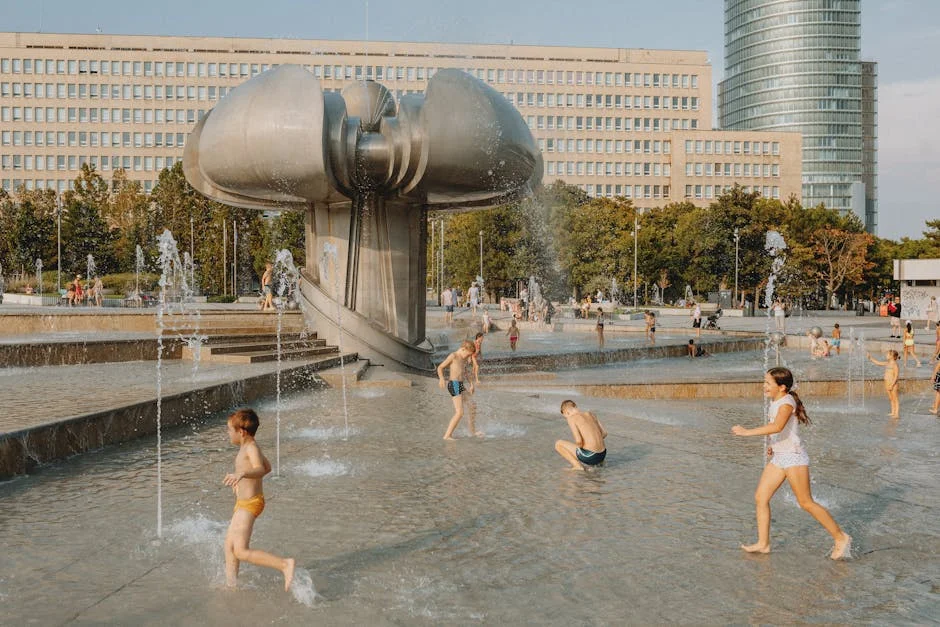
The heat has been particularly intense in urban centers, where the "urban heat island" effect amplifies the temperature. Cities like Paris, Madrid, and Rome have seen consecutive days where the mercury exceeded 35 degrees Celsius. The frequency of these high-temperature days is increasing, meaning that what was once considered a "record-breaking" summer is becoming the new normal for many European populations.
Scientists at the European Space Agency have noted that the land surface temperatures are rising faster than the global average. This rapid warming is driven by a combination of greenhouse gas emissions and shifting atmospheric patterns, such as the North Atlantic Oscillation. The result is a continent that is drying out and heating up simultaneously, creating a perfect storm for extreme weather events.
Health Crises and Human Toll
The human cost of this heat is becoming increasingly visible, particularly in the healthcare systems of Southern Europe. Hospitals in Spain and Italy have reported a surge in heat-related illnesses, ranging from mild dehydration to severe heatstroke. The elderly are disproportionately affected, with mortality rates spiking during the peak weeks of August.
Dr. Elena Rossi, a leading climatologist at the University of Milan, warned that the health infrastructure in many European countries was designed for milder summers. "We are seeing a convergence of factors that overwhelm emergency services," she stated in a recent briefing. The combination of high humidity and high temperatures creates a "heat index" that makes the air feel significantly hotter than the actual temperature, placing extra strain on the human body.
Urban Planning and Infrastructure
Urban areas are facing a dual challenge of cooling buildings and managing energy demand. Air conditioning usage has skyrocketed, leading to power grid stresses in countries like France and Germany. The traditional cooling methods, such as tree cover and water bodies, are often insufficient in dense urban environments where concrete and asphalt trap heat.
City planners are now forced to rethink urban design to accommodate these new thermal realities. Green roofs, permeable pavements, and increased tree planting are being implemented in cities like London and Berlin to mitigate the heat. However, these solutions take time to mature, leaving many residents vulnerable in the immediate term.
Economic Impact on Agriculture


The agricultural sector is one of the most immediate victims of the European heatwave. Crops in key producing regions, such as the Po Valley in Italy and the Andalusia region in Spain, have suffered from intense drought and scorching sun. Olive oil production, a cornerstone of the Mediterranean diet, has seen a significant drop in yield due to the stress on olive trees.
Wine producers are also feeling the heat, with grapevines in France and Germany experiencing uneven ripening. The quality of the vintage is at risk, which could lead to price increases for consumers worldwide. This is not just a seasonal blip but a structural change in the agricultural output of Europe, threatening food security and export revenues.
The economic loss extends beyond crops to livestock. Cattle in the Netherlands and Germany have faced heat stress, leading to lower milk production and higher mortality rates. Farmers are investing in cooling systems and adjusting feeding schedules, but these measures come at a cost that is often passed on to the consumer.
Energy Demand and Grid Stability
The surge in temperature has led to a corresponding spike in energy consumption, particularly for air conditioning. This increased demand puts pressure on the European power grid, which is still in a state of transition with renewable sources like wind and solar playing a larger role. However, the variability of these sources means that stability can be challenged during peak heat periods.
In France, the traditional reliance on nuclear power has been tested, with cooling water for reactors drawn from rivers that have seen lower water levels due to drought. This has forced some nuclear plants to reduce output, leading to occasional electricity imports from neighboring countries. The situation highlights the vulnerability of energy systems to climate-related disruptions.
Germany, with its heavy investment in wind and solar, has seen its energy mix shift towards solar power during the heatwaves. However, when the skies are clear and temperatures are high, solar output peaks, which can help, but the lack of wind can reduce the overall diversity of the energy supply. This dynamic requires flexible energy storage solutions to balance the grid effectively.
Long-Term Climate Trends
The current heat records are not isolated events but part of a longer-term trend identified by climate models. The Intergovernmental Panel on Climate Change (IPCC) has projected that European summers will become significantly hotter and drier in the coming decades. The frequency of 40-degree Celsius days is expected to increase, particularly in Southern Europe.
This trend is driven by the accumulation of greenhouse gases, primarily carbon dioxide and methane, which trap heat in the atmosphere. The Arctic is warming faster than the rest of the planet, which affects the jet stream and leads to more persistent high-pressure systems over Europe. These systems act like a dome, trapping hot air and preventing it from escaping.
The implications of these long-term trends are profound. They suggest that adaptation will be just as important as mitigation. European countries will need to invest heavily in infrastructure, healthcare, and agriculture to cope with a hotter climate. Failure to adapt could lead to significant economic and social disruptions.
Global Ripple Effects
The European heatwave has implications that extend beyond the continent's borders. As a major exporter of agricultural products, energy, and manufactured goods, Europe's stability affects global markets. A drop in European grain production, for example, can lead to price increases in importing countries in Africa and the Middle East.
The energy dynamics in Europe also influence global energy prices. If Europe increases its imports of liquefied natural gas (LNG) to meet demand, it can drive up prices for other LNG buyers, such as Japan and India. This interconnectedness means that a climate event in Europe can have economic repercussions worldwide.
Furthermore, the European Union's climate policies often set the tone for global action. If Europe struggles to adapt to its own climate challenges, it could impact the credibility and momentum of global climate agreements. The success or failure of European adaptation strategies will be closely watched by policymakers in Washington, Beijing, and New Delhi.
Adaptation Strategies and Future Outlook
European nations are beginning to implement a range of adaptation strategies to deal with the heat. These include updating building codes to require better insulation and cooling, investing in green infrastructure, and developing early warning systems for heatwaves. The European Commission has also launched several initiatives to coordinate climate adaptation efforts across member states.
However, the pace of adaptation needs to accelerate to keep up with the speed of warming. Many experts argue that current measures are reactive rather than proactive. There is a need for more integrated planning that considers the heat in conjunction with other climate impacts, such as flooding and drought.
The coming months will be critical in determining how well Europe can manage its new thermal reality. Key decisions on energy investment, urban planning, and agricultural policy will shape the continent's resilience. The effectiveness of these strategies will be tested by the next major heatwave, which, according to the latest forecasts, is likely to arrive sooner rather than later. Watch for updates on the upcoming EU Climate Adaptation Summit in Brussels, where leaders will finalize the next phase of continental heat resilience funding.
See Also
- Amazon Forces Retail Race with 30-Minute Delivery Expansion
- Bright Redefines Data Infrastructure With Lamppost Strategy
This has forced some nuclear plants to reduce output, leading to occasional electricity imports from neighboring countries. The situation highlights the vulnerability of energy systems to climate-related disruptions.
What is the latest news about europe smashes temperature records heatwaves are here to stay?
Why does this matter for environment-nature?
What are the key facts about europe smashes temperature records heatwaves are here to stay?