Africa Today revealed a substantial increase in renewable energy projects across the continent, reporting a 50% rise since 2025. This surge includes major initiatives in countries like Kenya, where the government has committed to investing $4 billion in solar and wind energy by 2030.
Kenya Leads the Charge in Renewable Energy
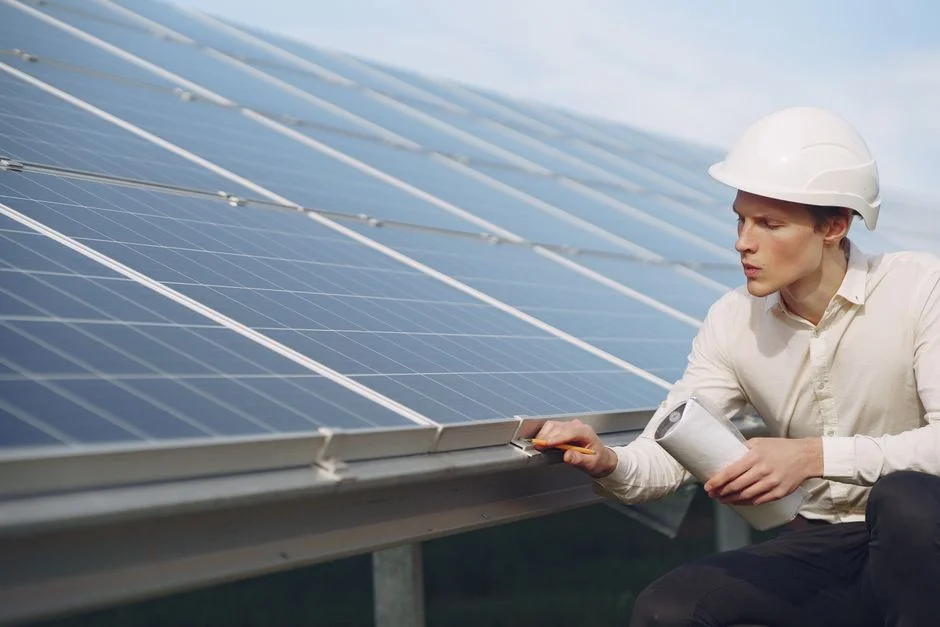
In Kenya, the government announced plans to expand its renewable energy infrastructure significantly. The investment of $4 billion aims to double the country's current renewable capacity, facilitating the transition from fossil fuels to more sustainable energy sources.
Energy Minister Davis Chirchir highlighted the importance of this transition in addressing climate change and enhancing energy security. "Our goal is to provide affordable and reliable electricity for all Kenyans while protecting our environment," he stated.
Growth Trends Across Africa
Africa Today’s report indicates that several countries are following Kenya's lead, with notable investments in solar and wind projects in South Africa, Nigeria, and Morocco. South Africa aims to reach a renewable energy capacity of 25 gigawatts by 2027, while Nigeria has initiated a plan to generate 30% of its energy from renewable sources by 2030.
The continent's renewable energy market is projected to grow from $20 billion to $30 billion by 2030, driven by both government initiatives and private investments. This growth reflects a broader commitment to sustainability as countries face increasing fossil fuel costs and climate pressures.
Impact on Employment and Economic Development


The expansion of renewable energy projects is expected to create approximately 1.5 million jobs across Africa by 2030. These jobs will range from manufacturing and installation to maintenance and management roles, providing a significant boost to local economies.
Organisations such as the African Development Bank have praised this shift as a vital step towards economic resilience. President Akinwumi Adesina noted, "Investing in renewable energy is not only about sustainability but also about creating opportunities for growth and innovation on the continent."
Challenges Ahead
Despite the optimistic outlook, challenges remain. Infrastructure deficits, regulatory hurdles, and funding constraints pose significant risks to the successful implementation of renewable projects.
For example, many countries still lack the necessary grid infrastructure to support widespread renewable energy distribution. Additionally, investors express concerns about the political climate and policy stability in certain regions, which could affect their commitments.
Global Context and Future Implications
This transition is not only essential for Africa's energy future but also aligns with global efforts to combat climate change. Nations worldwide are setting ambitious targets for reducing carbon emissions, and Africa's move towards renewable energy is crucial in achieving these goals.
As countries ramp up their efforts, the international community is likely to increase support and investment, which could further accelerate the continent's renewable energy revolution.
What’s Next for Africa Today?
Looking ahead, stakeholders will monitor the implementation of these energy projects and the outcomes of upcoming climate summits. The next major conference on climate action is set to take place in November 2026, where African leaders are expected to present their progress in renewable energy and climate commitments.
The continued challenges and opportunities in the renewable sector will remain a focal point for policymakers, investors, and communities as they work towards a sustainable future.
See Also
- Shai Gilgeous-Alexander Forces Game 5, Spurs Face Must-Win Pressure in Oklahoma City
- John-Laffnie de Jager Stuns Wallabies in Revenge Win After Springbok Loss
These jobs will range from manufacturing and installation to maintenance and management roles, providing a significant boost to local economies.Organisations such as the African Development Bank have praised this shift as a vital step towards economic resilience. Infrastructure deficits, regulatory hurdles, and funding constraints pose significant risks to the successful implementation of renewable projects.For example, many countries still lack the necessary grid infrastructure to support widespread renewable energy distribution.