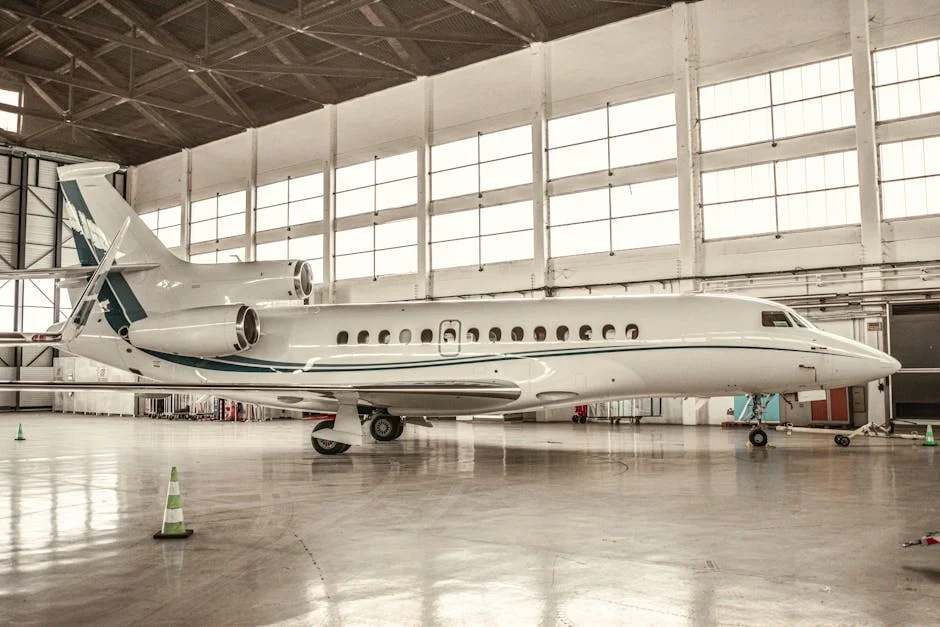
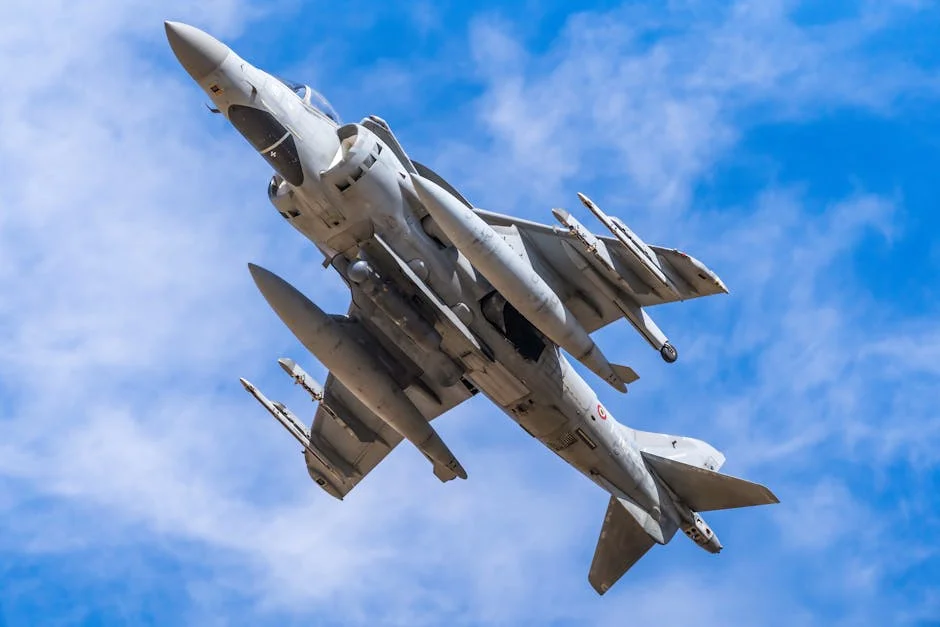
Morocco has intensified its military footprint in the Sahel region through the latest iteration of the "African Lion" joint exercises, signaling a strategic pivot in North African defense diplomacy. These maneuvers, which bring together Moroccan and American military personnel, are designed to enhance interoperability while addressing the growing security vacuum left by recent political upheavals across the Sahel. The exercise takes place against a backdrop of increasing instability, where traditional alliances are fracturing and new power dynamics are emerging.
Strategic Realignment in the Sahel
The Sahel has become one of the most volatile regions in Africa, characterized by a triad of threats: insurgent Islamist groups, rising military juntas, and shifting great power influence. Morocco’s decision to deepen its engagement here is not merely tactical but deeply strategic. By positioning itself as a stabilizing force, Rabat aims to secure its southern flank and expand its diplomatic leverage in a region that has historically been dominated by France and, more recently, Russia.
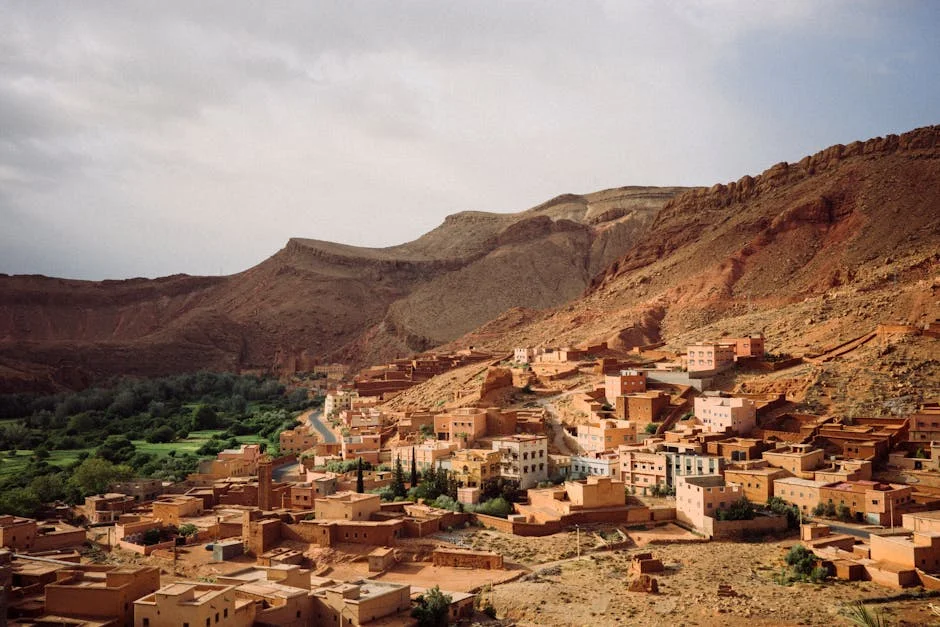
This shift comes at a critical juncture. Several Sahelian nations have expelled French troops and signed defense deals with the Russian military contractor, the Wagner Group. This realignment has created uncertainty for Western powers, particularly the United States, which views the Sahel as a crucial battleground for counterterrorism and democratic influence. Morocco’s move is seen as a way to offer an alternative partnership model that balances local sovereignty with robust military support.
The Role of the United States
The United States plays a central role in the "African Lion" exercises, which serve as a key instrument of American defense diplomacy in the region. The U.S. Department of Defense views these joint drills as essential for maintaining access to strategic airfields and ports, particularly in Morocco, which hosts the vital Al Asema Air Base. This base is critical for aerial refueling and surveillance missions over the Middle East and North Africa.
American military officials emphasize that the exercises are not just about showing flags. They are about building trust and capability. By training alongside Moroccan forces, the U.S. Army and Air Force aim to create a more cohesive alliance that can respond quickly to emerging threats. This cooperation is increasingly important as the U.S. seeks to recalibrate its African strategy in response to the changing geopolitical landscape.
Key Focus Areas of the Exercises
The "African Lion" exercises typically involve thousands of troops and a wide array of military hardware. This year’s iteration places a strong emphasis on joint operations, logistics, and intelligence sharing. The drills simulate various scenarios, from rapid deployment of airborne units to sustained counter-insurgency campaigns in desert terrain. These scenarios are designed to mirror the actual conditions faced by Sahelian armies dealing with mobile and elusive enemy forces.
One of the primary objectives is to improve the ability of Moroccan and American forces to operate seamlessly together. This includes standardizing communication protocols, coordinating air-ground support, and enhancing medical evacuation procedures. The exercises also provide a platform for testing new technologies and tactical approaches that can be adapted to the unique challenges of the Sahel.
- Enhancing joint command and control structures
- Improving logistical support for sustained operations
- Strengthening intelligence gathering and analysis capabilities
Geopolitical Implications for the Region

The expansion of Morocco’s military presence in the Sahel has significant implications for the broader geopolitical balance in North and West Africa. It challenges the traditional dominance of France, which has maintained a heavy military footprint in the region for decades. The departure of French troops from countries like Mali, Burkina Faco, and Niger has created a power vacuum that Morocco is eager to fill.
For neighboring countries, Morocco’s growing influence is viewed with a mix of optimism and caution. On one hand, Rabat is seen as a stable and economically strong partner with a modern military. On the other hand, some nations are wary of Moroccan ambitions and the potential for increased competition for regional leadership. The situation is further complicated by the ongoing dispute over Western Sahara, which involves several Sahelian countries.
The United States is closely monitoring these developments, recognizing that a stable and cooperative Morocco can serve as a key ally in the region. Washington supports Morocco’s efforts to engage with the Sahel, seeing it as a way to counter Russian influence and support democratic institutions. However, the U.S. also encourages a balanced approach that respects the sovereignty and diverse interests of Sahelian nations.
Challenges and Opportunities
Despite the strategic advantages, Morocco faces several challenges in its Sahel strategy. The region is vast and diverse, with complex political and social dynamics that can be difficult to navigate. The threat of insurgent groups remains high, and the effectiveness of military solutions alone is often questioned. Additionally, the economic costs of maintaining a strong military presence in the Sahel can be significant for Rabat.
However, there are also substantial opportunities. The Sahel is rich in natural resources, including gold, uranium, and phosphates, which are increasingly important for the global energy transition. By securing its interests in the region, Morocco can strengthen its economic position and create new trade and investment opportunities. Furthermore, a more stable Sahel would benefit Morocco by reducing migration pressures and enhancing regional security.
The success of Morocco’s strategy will depend on its ability to balance military strength with diplomatic engagement. Building strong relationships with local leaders and communities will be crucial for long-term stability. The "African Lion" exercises are a key part of this effort, demonstrating Morocco’s commitment to the region and its willingness to work with international partners to achieve common goals.
Future Outlook and Next Steps
The "African Lion" exercises are expected to continue to play a vital role in shaping the security landscape in the Sahel. As the region continues to evolve, these joint drills will need to adapt to new challenges and opportunities. This may involve expanding the scope of the exercises to include more partners or focusing on emerging threats such as climate change and digital warfare.
In the coming months, observers will be watching to see how Morocco and the United States build on the momentum generated by these exercises. Will there be new defense agreements or joint initiatives? How will other regional powers respond to Morocco’s growing influence? The answers to these questions will help determine the future trajectory of security and cooperation in the Sahel.
See Also
- Anthropic Unleashes Dreaming AI Agents — What Changes Now
- Trump Demands Changes to US-Iran Deal — Tensions Rise in Strait of Hormuz
The United States is closely monitoring these developments, recognizing that a stable and cooperative Morocco can serve as a key ally in the region. Additionally, the economic costs of maintaining a strong military presence in the Sahel can be significant for Rabat.