Major airlines across the Atlantic have announced the removal of approximately two million seats from their schedules this quarter, a direct response to soaring jet fuel costs that are eroding profit margins. This aggressive capacity reduction signals a shift from temporary delays to structural adjustments in the aviation sector, affecting travelers in both the United States and the United Kingdom. The move comes as global oil prices remain volatile, forcing carriers to prioritize high-yield routes while shedding less profitable connections.
The Scale of the Capacity Cut
The decision to cut two million seats represents one of the most aggressive scheduling adjustments since the post-pandemic recovery phase began. Airlines are not merely adding delays; they are fundamentally restructuring their flight networks to align with current economic realities. This reduction translates to hundreds of daily flights that will simply not exist, forcing passengers to compete for fewer available spots on popular corridors.
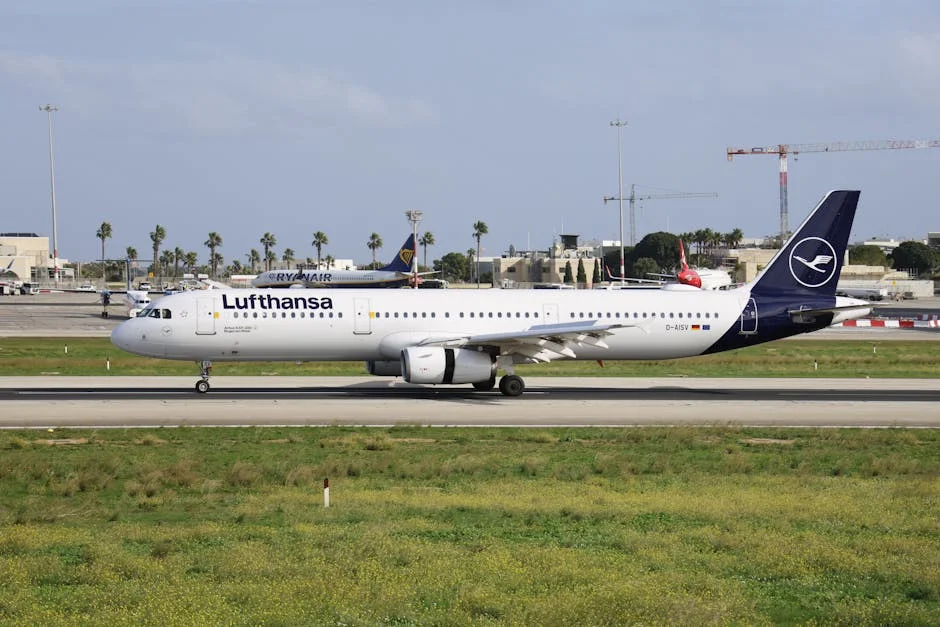
Carriers in the United States and the United Kingdom are leading this contraction, with major hubs like New York’s JFK Airport and London’s Heathrow seeing the most visible impacts. The scale of the cut is designed to protect balance sheets rather than just manage daily operations. By reducing supply, airlines hope to stabilize load factors, ensuring that the seats they do sell are filled with passengers willing to pay premium prices.
Industry data indicates that this move is a preemptive strike against further margin compression. If fuel costs continue their upward trajectory, the two million seat cut may prove to be a conservative estimate. Travelers should expect to see fewer options on secondary routes, as carriers consolidate traffic onto mainline jets to maximize efficiency per flight hour.
Jet Fuel Volatility Drives Strategic Shifts
The primary driver behind these cancellations is the unpredictable nature of the global jet fuel market. Oil prices have surged due to a combination of geopolitical tensions in the Middle East and shifting production quotas from major OPEC+ members. These external factors have created a cost environment where fixed pricing models become increasingly difficult for airlines to sustain.
Geopolitical Pressures on Supply Chains
Tensions in key oil-producing regions have disrupted supply chains, leading to immediate spikes in bunker fuel prices at major international airports. Airlines in the United States and the United Kingdom are particularly vulnerable because they rely on complex just-in-time fueling systems that leave little room for error. A sudden price jump can turn a profitable flight into a money-losing operation within hours.
In addition to geopolitical factors, environmental regulations are adding to the cost burden. The introduction of Sustainable Aviation Fuel (SAF) mandates means that airlines must blend more expensive green fuels into their traditional jet A1. This dual pressure from raw oil prices and regulatory requirements is squeezing operational budgets from both sides, forcing executives to make tough choices about capacity.
The volatility is not expected to subside quickly. Analysts suggest that fuel costs could account for up to 40% of an airline’s total operating expenses this year. This high percentage gives fuel prices disproportionate power over scheduling decisions, making the two million seat cut a rational, albeit painful, economic response.
Impact on United States Travelers


For travelers in the United States, the reduction in seat availability is already translating into higher ticket prices and reduced flexibility. The flight cancellations impact on the United States is most acute in major business hubs where demand remains stubbornly high despite economic headwinds. Passengers are finding that last-minute bookings have become significantly more expensive, as airlines use dynamic pricing algorithms to capture maximum revenue from the reduced supply.
Major carriers based in the United States have been quick to adjust their schedules, often removing flights on routes with lower historical load factors. This means that travelers in smaller cities may find themselves with fewer direct options, forcing them to connect through larger hubs. The ripple effect of these changes is creating longer travel times and more complex itineraries for the average American traveler.
The flight cancellations latest news highlights a growing frustration among consumers who are feeling the pinch of inflation across multiple sectors. Air travel, once seen as a discretionary luxury, has become a necessity for many business and leisure travelers. As prices rise, some consumers are opting to drive or take trains for shorter distances, further reshaping the competitive landscape of the transportation sector.
Airlines are also facing increased scrutiny over their customer service records. With fewer seats available, the margin for error shrinks, and a single delayed flight can have a cascading effect on the entire network. This has led to a surge in customer complaints and a demand for more transparent communication regarding schedule changes.
United Kingdom Market Adjustments
The United Kingdom’s aviation sector is experiencing similar pressures, with GB analysis the United States and UK markets showing correlated trends in capacity reduction. British Airways, Virgin Atlantic, and other major carriers are adjusting their transatlantic and European schedules to reflect the new economic reality. The GB explained context reveals that the UK market is particularly sensitive to fuel costs due to the dominance of short-haul European routes and long-haul transatlantic flights.
London Heathrow, one of the world’s busiest airports, is seeing a noticeable reduction in the number of daily departures. This has led to increased congestion on the remaining flights, as passengers from canceled services are rebooked onto available seats. The GB latest news reports that airlines are prioritizing business class passengers for these rebookings, often leaving economy travelers with less desirable seat assignments or longer layovers.
The impact on leisure travel is also significant, with many UK families facing higher costs for summer vacations. The reduction in capacity has forced travel agents and online booking platforms to adjust their pricing strategies, often bundling hotels and flights to make the total cost appear more competitive. However, the underlying cost of the airfare remains high, squeezing consumer budgets.
Regulatory bodies in the United Kingdom are closely monitoring the situation to ensure that airlines are not engaging in anti-competitive behavior. The Civil Aviation Authority is reviewing pricing trends to determine if the seat cuts are being used to artificially inflate prices on key routes. This regulatory oversight adds another layer of complexity for airlines operating in the UK market.
Consumer Response and Market Dynamics
Consumers are responding to the seat cuts by booking earlier and being more flexible with their travel dates. The flight cancellations analysis the United States suggests that early birds are securing better deals, while last-minute travelers are facing a premium. This shift in booking behavior is forcing airlines to adjust their revenue management systems to capture value from different customer segments.
There is also a growing trend of consumers switching to budget carriers for short-haul flights, even if it means sacrificing comfort. This migration is putting pressure on legacy carriers to improve their value proposition or risk losing market share. The competitive dynamic is shifting, with budget airlines gaining leverage as travelers seek to minimize the impact of rising fuel costs on their wallets.
The broader economic context cannot be ignored. With inflation remaining a concern in both the United States and the United Kingdom, consumers are becoming more price-sensitive. This sensitivity is forcing airlines to balance the need for higher yields with the risk of demand erosion. If prices rise too high, some travelers may simply decide to stay home, leading to a potential drop in overall revenue despite the reduced capacity.
Corporate travel managers are also playing a crucial role in shaping demand. Many companies are implementing stricter travel policies, requiring employees to book flights further in advance or choosing direct flights over connecting ones to save time. These corporate decisions are having a ripple effect on the broader market, influencing how airlines allocate their remaining seats.
Future Outlook and Strategic Implications
The two million seat cut is likely to be a precursor to further adjustments if fuel prices do not stabilize. Airlines are closely monitoring global economic indicators and geopolitical developments to anticipate future cost pressures. The next few months will be critical in determining whether this capacity reduction is a temporary measure or a long-term strategic shift.
Investors are watching these developments with keen interest, as the ability of airlines to manage fuel costs will be a key determinant of their profitability in the coming years. Companies that can successfully navigate this period of volatility are likely to emerge stronger, while those that fail to adapt may face increased financial strain. The market is rewarding efficiency and strategic flexibility.
For travelers, the message is clear: plan ahead and remain flexible. The era of last-minute bargain hunting may be over, at least for the foreseeable future. Airlines are using every tool at their disposal to maximize revenue from each seat, and consumers will need to adjust their expectations accordingly. The dynamics of air travel are changing, and those who adapt will find it easier to navigate the new landscape.
Regulators and industry stakeholders will continue to monitor the situation, with potential policy changes on the horizon. The next Federal Aviation Administration report and the European Union’s aviation review will provide further insights into how the sector is responding to these challenges. Travelers should stay informed about these developments, as they may influence future pricing and availability trends.
See Also
- Scientists Warn El Niño Threatens Southern Africa — Crops and Water Supplies at Risk This Year
- Grab Halts Previous Bonus Plan After Driver Backlash