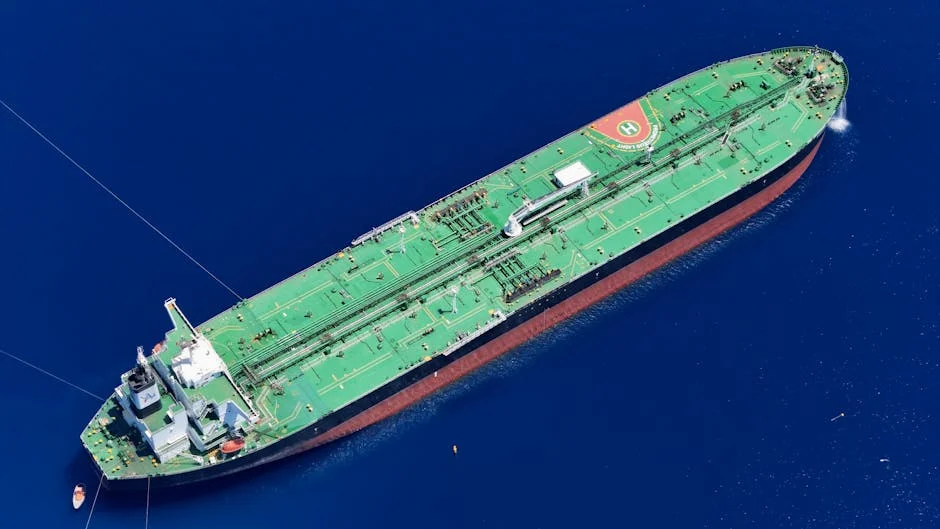
The United Kingdom faces a deepening jet fuel crisis as a major Nigerian refinery, a critical supplier to British airlines, has abruptly suspended operations following a contentious dismissal of union members. This labor dispute in West Africa has triggered immediate supply chain shocks, forcing UK carriers to scramble for alternative sources just as global demand begins to surge. The situation highlights the fragile dependency of European aviation on African energy infrastructure.
London’s Dependence on Nigerian Aviation Fuel
British airlines have long relied on Nigeria to fill the gap in domestic jet fuel production. The UK’s own refining capacity has shrunk dramatically over the last decade, with several major plants closing or operating at reduced efficiency. Consequently, London Heathrow and other key hubs have increasingly turned to Lagos-based refineries to secure competitive pricing and reliable volume. This strategic shift was intended to stabilize costs for carriers like British Airways and Virgin Atlantic.

The specific refinery in question, located in the industrial heartland of Lagos, processes a significant percentage of the crude oil exported from the Niger Delta. Its output is not just a commodity but a logistical lifeline for the UK aviation sector. When this pipeline of fuel is interrupted, the ripple effects are felt almost immediately in ticket prices and flight schedules across the Thames Valley. The disruption is not merely a local Nigerian issue; it is a transatlantic supply chain failure.
Heidi Alexander, a prominent energy analyst tracking African exports, noted that the timing of the dispute is particularly unfortunate for London. She explained that UK stockpiles were already running lower than historical averages due to earlier maintenance shutdowns in the North Sea. This convergence of factors has created a perfect storm for British aviation logistics. The lack of immediate alternatives means that delays in Nigeria translate directly to turbulence in London.
Internal Strife at the Nigerian Refinery
The root of the current crisis lies in a bitter labor dispute at the Nigerian facility. Management recently moved to sack a group of senior union members, citing inefficiencies and the need for structural reform. The union, however, viewed these dismissals as a purge of dissenting voices, leading to a swift and decisive strike action. Workers have blocked key loading bays, effectively halting the flow of jet fuel to export terminals.
This conflict reflects broader tensions within Nigeria’s energy sector. For years, workers have demanded better wages and improved safety conditions, arguing that the profits from the Niger Delta have not trickled down to the workforce. The recent sacking was the tipping point, transforming simmering discontent into a full-blown industrial action. The union has made it clear that they will not return to the tarmac until the dismissed members are reinstated.
Union Demands and Management Response
The union has presented a list of non-negotiable demands, including the immediate return of the sacked members and a 15 percent wage increase. Management has countered by offering a 10 percent raise and a six-month probationary period for the returning workers. This gap in expectations has stalled negotiations, leaving the refinery in a state of limbo. Neither side appears willing to blink, suggesting that the standoff could last for several more weeks.
Local observers in Lagos report that the mood among workers is one of defiance. They argue that the refinery’s success is built on their labor and that management has taken their contributions for granted. This sense of entitlement among the workforce adds another layer of complexity to the negotiations. It is not just about money; it is about recognition and respect within the corporate hierarchy.
The UK Aviation Sector Under Pressure


British airlines are now facing a logistical nightmare. With the Nigerian supply line disrupted, carriers are forced to source fuel from more expensive markets in the Middle East and the United States. These alternatives come with higher transportation costs and longer lead times, which eat into profit margins. The Financial Times reports that some airlines have already begun to adjust their fuel hedging strategies to account for the volatility.
The impact on consumers is beginning to show. Ticket prices on popular routes from London to New York and Dubai have seen a modest increase, with analysts predicting further hikes if the shortage persists. This price sensitivity is crucial for the recovery of the aviation sector, which is still bouncing back from the post-pandemic slump. Any additional cost pressure could slow down the return of leisure travelers.
Heidi Alexander warned that the situation could worsen if other African suppliers decide to capitalize on the shortage. She noted that Nigeria’s competitors in Angola and Ghana might raise their prices, knowing that the UK has limited immediate alternatives. This dynamic could lead to a broader regional price surge, affecting not just jet fuel but also diesel and gasoline markets in London.
Why Nigeria Matters to Global Energy Markets
Nigeria’s role in the global energy landscape is often underappreciated. As one of Africa’s largest oil producers, it serves as a crucial bridge between the OPEC bloc and the emerging markets of West Africa. The country’s ability to stabilize its domestic refining capacity has direct implications for global fuel prices. When Nigeria sneezes, the global energy market catches a cold.
The current crisis underscores the fragility of this dependency. The UK’s decision to rely heavily on a single foreign source for a critical input has exposed it to geopolitical and labor risks. This is a lesson in supply chain diversification that other nations are now watching closely. The incident serves as a case study in the risks of over-reliance on emerging market infrastructure.
Moreover, the dispute highlights the importance of labor relations in the energy sector. In an era where just-in-time delivery is the norm, any disruption at the source can have cascading effects. The Nigerian refinery’s struggle is a microcosm of the broader challenges facing African industries, where infrastructure, labor, and management often clash. Understanding these dynamics is essential for predicting future energy trends.
Political Ramifications in Nigeria
The labor dispute is not just an economic issue; it is also a political one. The Nigerian government is under pressure to mediate the conflict, as the refinery’s output contributes significantly to the national revenue. The Ministry of Petroleum Resources has called for emergency talks between the union and management, hoping to reach a quick resolution. However, the political will to enforce a compromise remains to be seen.
Opposition leaders in Abuja are using the crisis to criticize the ruling party’s handling of the energy sector. They argue that the government has favored corporate interests over the welfare of the average worker, leading to the current unrest. This political friction could delay any potential resolution, as both sides use the dispute to score points in the upcoming electoral cycle. The stakes are high for the Nigerian government, which needs to project stability to attract foreign investment.
The international community is also watching the situation closely. The United States and the European Union have both expressed concern over the potential for the dispute to spill over into other sectors. They fear that a prolonged strike could lead to broader economic instability in Nigeria, which could have migration and trade implications for the West. This global attention adds pressure on Nigerian leaders to act decisively.
What to Watch Next
The coming weeks will be critical in determining the outcome of this dispute. Analysts are closely monitoring the progress of the emergency talks facilitated by the Nigerian Ministry of Petroleum Resources. A breakthrough in these negotiations could lead to a quick resumption of exports, easing the pressure on UK airlines. However, if the talks stall, the jet fuel shortage in London is likely to intensify.
Readers should also watch for announcements from major UK airlines regarding their fuel sourcing strategies. Any shift towards long-term contracts with Middle Eastern suppliers could signal a structural change in the UK’s energy dependency. This would have long-term implications for the Nigerian economy and the global energy map. The next few days will reveal whether this is a temporary blip or a turning point in transatlantic energy relations.
See Also
- Israel Eyes UAE Expansion as Middle East War Redraws Regional Alliances
- Amaechi Accuses Jonathan of Driving Him from PDP
What is the latest news about nigeria halts jet fuel exports amid union row uk airlines brace for impact?
Why does this matter for politics-governance?
What are the key facts about nigeria halts jet fuel exports amid union row uk airlines brace for impact?