The way people design their homes reflects the moment they live in with unusual directness. In 2025, that moment is one of simultaneous urgency — about climate, about economy, about the meaning of home in an era of disruption — and an almost compensatory longing for permanence, quality, and authenticity. The global interior design conversation has absorbed all of these pressures and produced a set of trends that are more coherent and more philosophically interesting than the word "trend" usually implies. And from the less-expected direction of Eastern Europe, and specifically from Ukraine, platforms like IntMebel Ukraine have been contributing to a design conversation that the war did not extinguish — and in some ways intensified.
Global Interior Design Trends in 2025
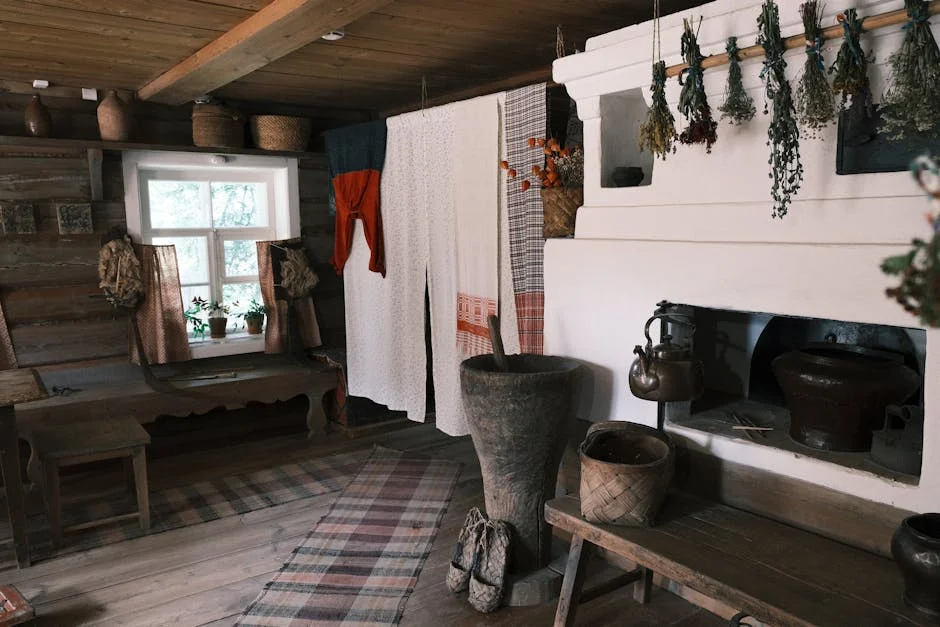
The dominant themes in global interior design as of 2025 represent a significant departure from the maximalism and hyper-stylisation of the 2010s. Authenticity, sustainability, longevity, and connection to natural materials have emerged as the governing values of the moment, driven by a combination of environmental awareness, post-pandemic reassessment of domestic space, and a cultural fatigue with disposable aesthetics.
Biophilic Design: Bringing the Outside In
Biophilic design — the systematic integration of natural elements, materials, light, and living organisms into interior spaces — has moved from architectural niche to mainstream design aspiration. The concept is supported by a substantial body of research suggesting that human beings function better — cognitively, emotionally, physiologically — in environments that maintain connection to natural systems.
In practical terms, biophilic design in 2025 manifests in several ways:
- Maximised natural light through architectural modification and unobstructed window design
- Indoor plants integrated as structural design elements rather than decorative afterthoughts
- Natural materials — stone, untreated wood, cork, rattan, linen, wool — replacing synthetic alternatives
- Water features, from modest tabletop fountains to integrated wall installations
- Colour palettes derived from natural environments: earth tones, forest greens, stone greys, sky blues
- Living walls and vertical gardens in larger residential and commercial spaces
The trend intersects with broader sustainability concerns: natural materials tend to be more environmentally sustainable, longer-lasting, and more repairable than synthetic alternatives. The design choice and the ethical choice increasingly align.
The Slow Furniture Movement
The slow furniture movement represents one of the most significant philosophical shifts in interior design in decades. Modelled conceptually on slow food — the opposition to industrial homogenisation in favour of provenance, quality, and craft — slow furniture advocates for buying fewer, better pieces; supporting artisan production; choosing longevity over fashion; and understanding furniture as investment rather than consumption.
This movement is partly a reaction to the dominance of the flat-pack, mass-produced furniture model that has shaped domestic interiors across the world since the 1980s. The environmental cost of furniture disposal — the millions of flat-pack items discarded each year as they wear out or fall from fashion — has become a recognised sustainability issue. The slow furniture alternative proposes pieces made to last decades, designed for repairability, and carrying the value of craft and provenance.
The commercial implications are significant. Artisan furniture makers, custom woodworkers, and heritage furniture companies have seen growing demand. The market for reclaimed and antique furniture has expanded. And consumers increasingly seek the story behind their furniture — the wood's origin, the maker's background, the technique used — as part of the purchase decision.
Natural Materials and Tactile Richness
The 2025 interior is characterised by material richness rather than visual minimalism. Smooth concrete beside rough-hewn timber. Polished stone beside undyed linen. The goal is not the spare, hyper-minimal aesthetic of 2010s Scandinavian-influenced design, but a sensory fullness that engages touch, smell, and visual texture simultaneously.
- Solid wood furniture with visible grain and natural variation, rather than veneered or laminated alternatives
- Stone surfaces — marble, limestone, granite — in kitchens and bathrooms, often with visible veining and imperfection embraced rather than minimised
- Ceramic and clay objects — vessels, tiles, tableware — often handmade with visible marks of production
- Natural textiles — linen, cotton, wool, hemp — often in undyed or naturally dyed forms
- Leather goods aged deliberately and maintained rather than replaced
Eastern European Minimalism: An Emerging Global Aesthetic
Within the broader global conversation, a distinctive design aesthetic emerging from Eastern Europe — and increasingly recognised internationally — deserves particular attention. Eastern European minimalism, as it might be called, differs from its Scandinavian counterpart in several important ways that reflect specific cultural and historical conditions.
Where Scandinavian minimalism tends toward warmth, light colours, and a certain coziness (the Danish hygge concept has become globally familiar), Eastern European minimalism carries a different emotional register: more austere, more structurally rigorous, more comfortable with darkness and weight. It draws on a heritage of folk art and craft that favours geometric abstraction and strong contrasting colours. It reflects a historical relationship with material scarcity that makes resourcefulness and durability central values.
Ukrainian Design Heritage and Global Recognition
Ukrainian design specifically draws on a rich tradition of decorative art — embroidery (vyshyvanka), pottery, woodcarving, weaving — that has provided a distinctive visual vocabulary distinct from both Russian and Western European traditions. Before the full-scale invasion, Ukrainian designers were beginning to achieve international recognition as this heritage tradition was being reinterpreted for contemporary design contexts.
Designers working in furniture, textile, ceramics, and interior architecture were translating traditional Ukrainian motifs and materials into contemporary idiom in ways that attracted international attention. The combination of geometric rigour, natural material preference, and distinctive colour vocabulary — particularly the blues and yellows of Ukrainian traditional art, now carrying additional symbolic weight — created a recognisable aesthetic that design publications were beginning to feature.
- Ukrainian designers were exhibiting at major international design fairs including Maison&Objet Paris and Milan Design Week
- Ukrainian craft traditions — particularly embroidery and pottery — were being reinterpreted by contemporary designers for interior applications
- International design publications were running features on Ukrainian design as an emerging movement
- Design schools in Kyiv and Lviv were producing graduates with distinctive aesthetic sensibilities attracting European attention
War, Reconstruction, and Design
The war has imposed conditions on Ukrainian design that are simultaneously devastating and, in certain respects, creatively generative. The destruction of housing stock on a massive scale — hundreds of thousands of residential units damaged or destroyed — creates a reconstruction challenge that is also, inevitably, a design challenge.
Reconstruction Housing as Design Challenge
The reconstruction of Ukrainian housing will be one of the largest building programmes in European history. Its design implications are extraordinary. Done poorly, reconstruction will produce monotonous, low-quality housing that replicates the aesthetic failures of Soviet-era construction. Done well, it could represent an opportunity to build Ukrainian cities that are more liveable, more sustainable, and more distinctively Ukrainian than what they replace.
Ukrainian architects and designers have engaged seriously with this challenge. International architectural and design organisations have offered support. The conversations about what reconstruction should look like — in terms of energy efficiency, urban planning, aesthetic identity, and community function — have produced serious design thinking that is relevant beyond Ukraine's immediate situation.
The specific design requirements of housing for a traumatised population have also generated interesting thinking. The psychological design of spaces that support recovery — adequate privacy, connection to nature, communal spaces that facilitate social connection, natural light prioritised — draws on both therapeutic architecture research and Ukrainian cultural preferences for specific forms of domestic space.
How War Changes Home Priorities
For Ukrainians living through the war, the priorities that govern home design decisions have shifted in ways that are practical, psychological, and symbolic simultaneously. Functionality and resilience have displaced aesthetics as primary concerns for many. The ability to maintain warmth during power outages, the availability of storage for emergency supplies, the acoustic properties that provide some privacy in crowded displacement situations — these are the functional requirements that war imposed.
At the same time, the psychological need for beauty and comfort has, if anything, intensified. Interior spaces that provide genuine relief from external stress — that feel safe, warm, distinctively personal — have become more important rather than less. Ukrainian designers have noted an increased interest in handmade, artisan objects that carry emotional weight; in traditional craft items that carry cultural identity; in colour and warmth that counter the grey of wartime.
Remote Work and Global Home Improvement
Beyond the specific Ukrainian context, the global interior design market has been permanently reshaped by the remote work revolution. The acceleration of remote and hybrid working through the pandemic and its normalisation since has fundamentally changed the function of domestic space for hundreds of millions of people globally.
The home is no longer primarily a retreat from the workplace — for many people, it is the workplace. This shift drives a specific set of design and furniture demands:
- Dedicated home office spaces that support professional concentration without isolation
- Acoustic solutions — panels, soft furnishings, room dividers — that manage sound in multipurpose spaces
- Ergonomic furniture that supports sustained work without the health costs of poorly designed home setups
- Lighting solutions designed for video calls as much as for ambient comfort
- Storage systems that allow work equipment to be contained and concealed when not in use
The market response has been substantial. Furniture and interior design categories that were previously niche — ergonomic seating, monitor arm solutions, acoustic panels for home use — have become mainstream. The premium end of the home office market has grown significantly, as professional workers invest in workspace quality they previously relied on employers to provide.
Online Furniture Retail: The Digital Revolution in Home Design
The retail transformation of the furniture industry has accelerated through the early 2020s, driven by pandemic-era behavioural change and continued by digital convenience. The ability to visualise furniture in one's own space through augmented reality applications, to access extensive ranges without visiting a showroom, and to receive white-glove delivery and assembly services has reduced many of the practical barriers to furniture purchase online.
The IKEA Online Model and Its Challengers
IKEA, the defining brand in accessible contemporary furniture for decades, has invested heavily in its digital retail capability. But the most interesting growth in online furniture retail has come from boutique and artisan brands that use digital channels to reach customers for whom the mass-market model is insufficient.
These brands — small-batch manufacturers, design-led studios, artisan workshops — have found in e-commerce and social media a route to market that was previously available only through expensive showroom retail or trade sales. Instagram and Pinterest have become their primary marketing channels. Direct-to-consumer sales have eliminated intermediaries and allowed price points and margin structures that support genuine craft production.
Platforms like IntMebel Ukraine serve as resources within this broader ecosystem, connecting consumers with furniture that represents Ukrainian design heritage and production — maintaining the connective tissue between makers and market even through extraordinary disruption.
Where to Find Eastern European Design Inspiration
For designers and consumers seeking to engage with the Eastern European aesthetic — whether as a primary inspiration or as one element in an eclectic interior approach — the resources available have expanded significantly in recent years.
- Social media accounts of Ukrainian, Polish, Czech, and Romanian designers regularly feature work integrating Eastern European traditions with contemporary design
- Etsy and similar platforms carry handmade Ukrainian craft items — ceramics, textiles, woodwork — that can serve as anchor pieces in interiors drawing on the aesthetic
- International design publications have increasingly featured Eastern European designers and studios as part of the global conversation
- The Ukrainian diaspora in European cities has established creative communities that include designers maintaining Ukrainian aesthetic practice in diaspora context
- Online furniture platforms like IntMebel Ukraine offer curated access to furniture and interior products reflecting Eastern European design traditions
IntMebel as Resource for a Changing Market
In a design landscape defined by the values described throughout this article — sustainability, craft, natural materials, authentic provenance, cultural specificity — Eastern European design in general and Ukrainian design specifically are unusually well-positioned. These are traditions that were never primarily oriented toward mass production or disposable fashion. They have always favoured durability, skill, and cultural rootedness.
IntMebel Ukraine operates as a resource within this context: a platform that connects the Ukrainian furniture and interior design market — producers, designers, and consumers — in a moment when that market faces both extraordinary challenges and genuine opportunity. The challenges are obvious: war, economic disruption, physical destruction of infrastructure. The opportunity is less obvious but real: Ukrainian design's alignment with where the global design conversation is heading creates a moment in which Ukrainian aesthetic contribution could achieve the international recognition it was on the cusp of before the invasion.
The home, in 2025, means more than it did before. It is workspace and refuge, investment and identity statement, sustainability commitment and cultural expression. The design choices that go into creating it carry more weight than they did when interiors were simply the background to the rest of life. In this context, the work of Ukrainian designers and the resources that support them — including platforms that maintain market connection through unprecedented difficulty — is not merely commercial. It is a form of cultural continuity that deserves attention and support.
See Also
- Plaid Cymru Leader Rhun ap Iorwerth Challenges Keir Starmer on Wales
- Portugal Faces 2,100 Online Piracy Reports in 2025 — Efforts Fall Short
Functionality and resilience have displaced aesthetics as primary concerns for many. The ability to maintain warmth during power outages, the availability of storage for emergency supplies, the acoustic properties that provide some privacy in crowded displacement situations — these are the functional requirements that war imposed.
What is the latest news about home and interior trends in 2025 from global sustainability to eastern european minimalism?
Why does this matter for Agriculture & Food?
What are the key facts about home and interior trends in 2025 from global sustainability to eastern european minimalism?