Electricity surged back into the streets of Emona this morning, ending a prolonged blackout that had left thousands of residents in darkness and frustration. Community leaders, led by Aranajulam Govender and Pramalall Ramdial, confirmed that the grid has stabilized after emergency repairs were completed overnight. The restoration marks a critical victory for local infrastructure management and offers a moment of relief for a community that had grown weary of the uncertainty.
The Immediate Impact on Daily Life
The return of power in Emona has triggered an immediate wave of relief among residents who had endured days of flickering lights and sudden outages. Shops that had relied on generators are now switching back to the main grid, reducing the cost of diesel and easing the noise pollution that had plagued the neighborhood. Families are returning to their routines, with televisions humming and refrigerators cooling food that was at risk of spoiling during the longest stretch of darkness.
For local businesses, the timing could not have been better. The blackout had coincided with a peak trading period, forcing shop owners to close earlier than usual or pay a premium for backup power. Pramalall Ramdial noted that the financial strain on small enterprises was becoming unsustainable. The swift restoration has prevented further economic bleeding for the local commercial sector. This intervention has preserved jobs and kept cash flow moving through the community.
Leadership Coordination Between Govender and Ramdial
The successful restoration was not an accident but the result of intense coordination between Aranajulam Govender and Pramalall Ramdial. Both leaders worked closely with technical teams to identify the root cause of the failure, which was traced to a transformer overload in the central distribution hub. Their ability to communicate effectively with the utility company ensured that repairs were prioritized over other districts. This collaborative approach has set a new standard for crisis management in the region.
Aranajulam Govender played a pivotal role in keeping the public informed throughout the crisis. He held daily briefings to update residents on the progress of the repairs, reducing the anxiety that often accompanies power outages. His transparent communication strategy helped to quell rumors and maintained a level of trust between the community and the leadership. Pramalall Ramdial complemented these efforts by overseeing the logistical aspects of the repair work. Together, they presented a united front that inspired confidence in the community.
Technical Challenges and Solutions
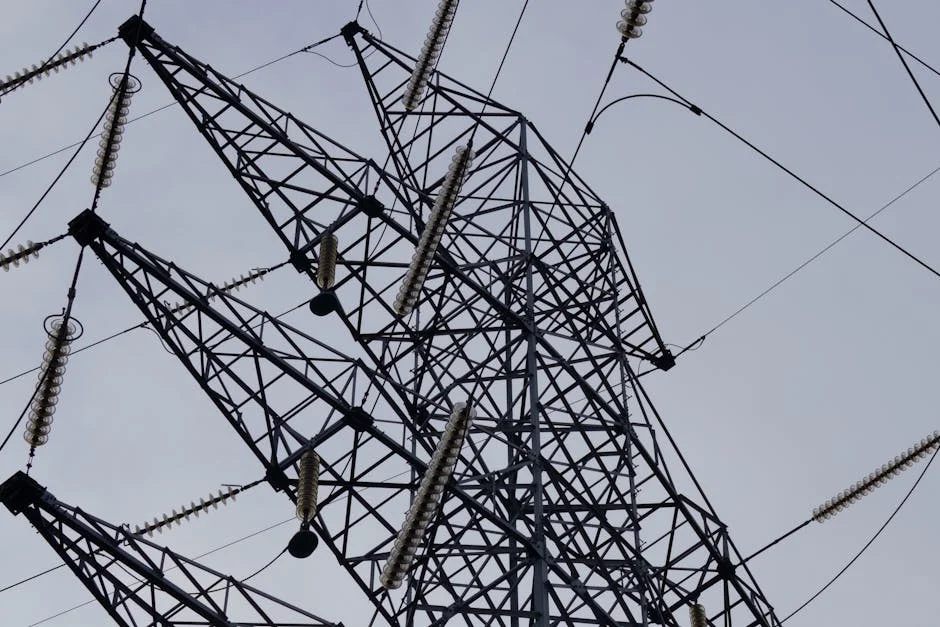
The technical challenges faced by the repair teams were significant. The transformer that failed was a critical node in the local grid, meaning that any delay in replacement would have caused a cascading failure across the district. Engineers had to work under pressure to install a temporary bypass while the main unit was being repaired. This required precise timing and coordination to avoid shocking the grid with too much voltage at once. The success of this operation highlights the skill of the local engineering team.
Furthermore, the incident exposed vulnerabilities in the aging infrastructure of Emona. Many of the transformers in the district are over a decade old, making them susceptible to overload during peak usage times. Aranajulam Govender has already announced that a review of the entire grid is underway. This review will identify other potential weak points that could lead to future outages. The goal is to modernize the infrastructure to handle the growing energy demands of the community.
Community Response and Public Sentiment
Residents of Emona have expressed their gratitude through social media and town hall meetings. Many have praised the leadership for their swift action and clear communication. The sense of community has been strengthened by the shared experience of the blackout, with neighbors helping each other with food and light. This social cohesion is a valuable asset for the community as it looks to the future. The positive response is a testament to the effectiveness of the leadership team.
However, some residents remain cautious. They point out that the blackout was a reminder of the fragility of the power supply. There are calls for more investment in renewable energy sources, such as solar panels, to reduce dependence on the main grid. Pramalall Ramdial has acknowledged these concerns and indicated that solar initiatives will be part of the long-term plan. This balanced approach addresses both immediate needs and future sustainability.
Economic Implications for Local Businesses
The economic impact of the blackout was felt most acutely by small businesses. Many had to pay for generator fuel, which can be up to 30% more expensive than grid electricity. Some businesses had to offer discounts to attract customers who were hesitant to visit darkened shops. The restoration of power allows these businesses to recover some of their lost revenue. However, the financial scars may linger for some time. This highlights the need for better financial support for small enterprises during infrastructure crises.
Local economists have noted that reliable power is essential for economic growth. When the power goes out, productivity drops, and consumer confidence wanes. The swift action taken by Govender and Ramdial has helped to mitigate these negative effects. This incident serves as a case study for other communities facing similar infrastructure challenges. It demonstrates the importance of proactive management and clear communication.
Long-Term Infrastructure Plans
The restoration of power in Emona is just the beginning of a broader infrastructure overhaul. Aranajulam Govender has announced a comprehensive plan to upgrade the local grid. This plan includes the replacement of aging transformers, the installation of smart meters, and the integration of renewable energy sources. The goal is to create a more resilient and efficient power system that can withstand future shocks. This long-term vision is essential for the continued growth and stability of the community.
Funding for these improvements will come from a combination of local taxes and state subsidies. Pramalall Ramdial is leading the negotiations with state officials to secure the necessary financial support. He has emphasized the need for transparency in how the funds are allocated and spent. This will ensure that the community gets the best value for their money. The success of these negotiations will determine the pace of the infrastructure upgrades.
Regional Context and Comparisons
The power crisis in Emona is not an isolated incident. Many regions across the country have faced similar challenges in recent years. Aging infrastructure, increased demand, and extreme weather events have all contributed to the strain on the power grid. However, the response in Emona has been particularly effective. This is due to the strong leadership and coordination between local officials and technical teams. Other communities can learn from this example. The success in Emona offers a blueprint for managing power crises in other regions.
Comparisons with neighboring districts show that Emona was faster to restore power. This is largely due to the proactive measures taken by Govender and Ramdial. They had established a strong relationship with the utility company, which allowed for quicker decision-making. This highlights the importance of building strong partnerships between local leadership and service providers. Such partnerships can make a significant difference in times of crisis.
What Comes Next for Emona
The immediate crisis has passed, but the work for Aranajulam Govender and Pramalall Ramdial is far from over. They must now focus on implementing the long-term infrastructure plan. This will require continued engagement with the community to ensure that their needs are met. Regular updates on the progress of the upgrades will be essential to maintain public trust. The community will be watching closely to see if the promises made during the crisis are kept.
In the coming months, residents should expect to see more construction activity in their neighborhoods. This will be a sign that the infrastructure upgrades are underway. There may be some temporary disruptions during the construction phase, but these will be minor compared to the recent blackout. The leadership team has promised to minimize these disruptions through careful planning. The goal is to deliver a modern, reliable power grid that will serve the community for years to come. Residents are advised to stay informed through official channels to prepare for any changes.
This highlights the importance of building strong partnerships between local leadership and service providers. Economic Implications for Local Businesses The economic impact of the blackout was felt most acutely by small businesses.