Brussels has unveiled an ambitious plan to enhance the security and resilience of Europe's energy systems. Set against the backdrop of increasing global energy uncertainties, the proposal aims to reduce dependency on external sources and bolster the continent's energy infrastructure.
Details of the Proposal
The European Commission, based in Brussels, has outlined a comprehensive strategy that includes significant investment in renewable energy sources and infrastructure upgrades. Ursula von der Leyen, President of the European Commission, emphasized the need for Europe to become a leader in sustainable energy.
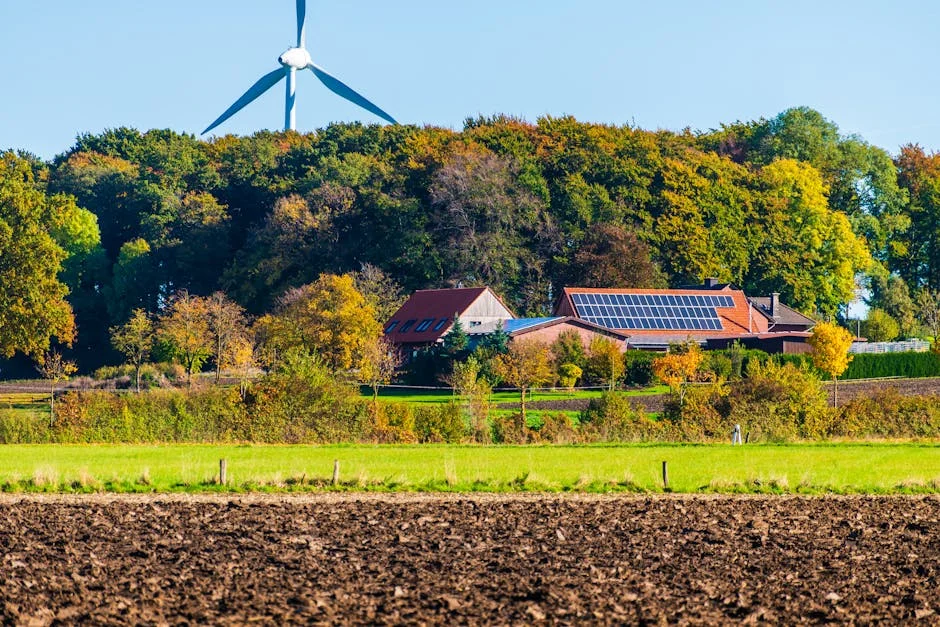
The plan includes a target to increase renewable energy capacity by 30% by 2030. Additionally, it proposes the integration of smart grids across the member states to ensure more efficient distribution and storage of energy.
Why This Matters
Europe currently imports more than 50% of its energy, making it vulnerable to external supply disruptions. By focusing on renewables, Brussels aims to reduce this dependency while also addressing climate change.
Energy security has become a top priority for many countries, especially given recent geopolitical tensions and the impact of the pandemic on global supply chains. This proposal is seen as a critical step towards ensuring a stable and independent energy future for Europe.
Challenges and Stakeholder Perspectives


Economic and Political Hurdles
Despite the ambitious goals, the plan faces several challenges. Economic constraints and differing national policies among EU member states could impede the swift implementation of the proposed measures.
However, supporters argue that the long-term benefits outweigh the initial costs, highlighting the potential for job creation in the green energy sector and the reduction of energy costs for consumers.
Industry and Environmental Reactions
Energy companies have expressed cautious optimism, noting that while the plan could increase operational costs in the short term, it aligns with the global shift towards sustainable energy practices.
Environmental groups have largely welcomed the proposal, though they stress the need for clear timelines and accountability mechanisms to ensure that the goals are met.
Next Steps and What to Watch
The European Parliament is set to discuss the proposal in the coming months, with a vote anticipated in early 2024. If approved, member states will need to align their national policies with the new framework.
Observers will be closely monitoring the negotiations, particularly any amendments that might affect the scope and timeline of the plan. The outcome will likely have significant implications for Europe's energy landscape in the next decade.
See Also
- Portugal Government Approves 48 Million Euros to Finish Metro Circular Line
- Argeș Pitești vs U Cluj Set for Semifinal Showdown in Cupa României 2025-2026