South Africa’s currency suffered a sharp decline on Friday as a growing blockade at the country’s most critical port disrupted trade flows. The standoff at the Durban harbor has intensified pressure on the South African Reserve Bank to stabilize the economy. Investors are reacting quickly to the logistical chaos that threatens national export revenues.
The Durban Port Standoff
Workers at the Durban port have initiated a blockade that has effectively halted the movement of goods. This port handles a significant portion of South Africa’s containerized cargo, making it a vital artery for the nation’s trade. The disruption came unexpectedly, catching many logistics companies off guard during a key shipping week.
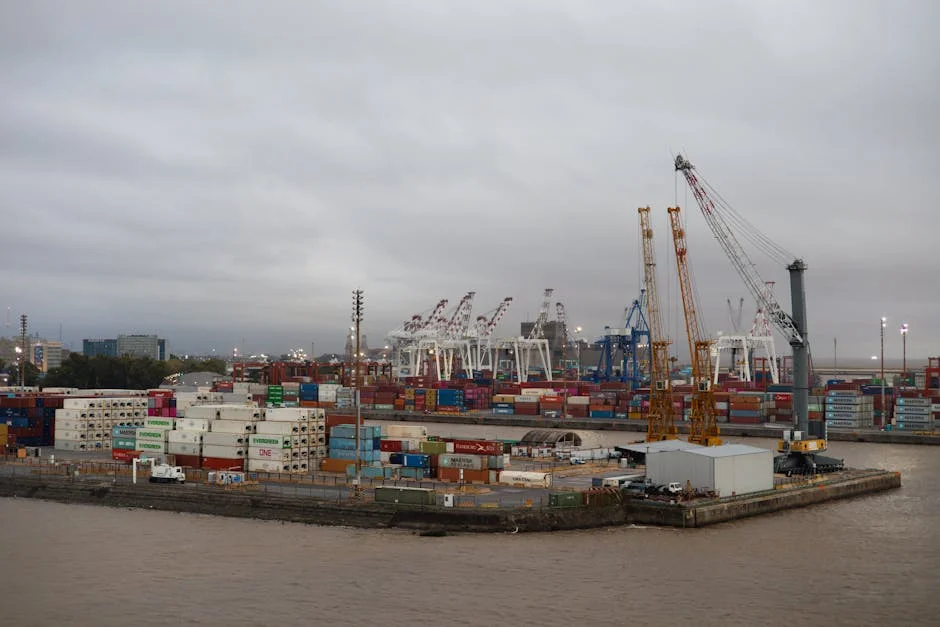
The blockade is driven by labor disputes that have escalated into a broader industrial action. Union leaders demand better wage structures and working conditions for port operators. These demands have not been met by the port authority, leading to the current stalemate. The situation has caused a backlog of ships waiting to unload their cargo.
Logistical Bottlenecks
The immediate effect of the blockade is a severe bottleneck in the supply chain. Trucks carrying goods are stuck in long queues on the N3 highway, which connects the port to the rest of the country. This congestion increases transport costs and delays the delivery of essential commodities. Retailers are already reporting shortages of certain imported goods in major cities like Johannesburg and Cape Town.
Currency Market Reaction
The South African Rand weakened significantly against the US Dollar on Friday. The currency dropped by nearly two percent, reflecting investor anxiety over the economic impact of the port closure. Foreign investors are closely monitoring the situation as it signals potential instability in South Africa’s trade balance. A weaker Rand makes imports more expensive, which can drive up inflation for consumers.
Market analysts point out that the Rand is sensitive to any disruption in key export sectors. South Africa relies heavily on mining and agricultural exports, many of which pass through Durban. The blockade threatens to delay shipments of coal, iron ore, and citrus fruits. These delays can lead to penalties and lost contracts for major South African companies.
The financial impact extends beyond the currency markets. Share prices of major logistics and retail firms have also seen volatility. Investors are reassessing the risk profile of South African assets due to the uncertainty surrounding the duration of the blockade. The South African Reserve Bank may need to intervene if the currency continues to slide.
Economic Context and History


South Africa’s economy has faced numerous challenges in recent years, including load-shedding and infrastructure decay. The Durban port is one of the busiest in Africa, handling over 30 million tons of cargo annually. Any disruption at this hub has ripple effects across the entire continent. The current blockade is the latest in a series of labor actions that have tested the resilience of South Africa’s economy.
Historically, port strikes in South Africa have led to significant economic losses. In previous years, strikes at the Durban port have cost the economy billions of Rands in lost revenue. The government has often stepped in to negotiate with unions to resolve disputes quickly. However, the current standoff appears more complex due to deeper structural issues within the port authority.
The labor unions argue that the port authority has not invested enough in infrastructure and employee welfare. They claim that the current wage offers do not reflect the rising cost of living in South Africa. The port authority, on the other hand, argues that the financial health of the hub requires careful management of labor costs. This divergence in perspectives has made negotiations difficult.
Implications for Global Trade
The blockade at Durban has implications for global trade, particularly for countries that rely on South African exports. Australia, for instance, sends a significant amount of coal and iron ore through the Durban port. Delays in unloading these shipments can affect energy and manufacturing sectors in Australia. Other countries in the Southern African Development Community also feel the impact.
Global supply chains are already fragile, and any disruption in a key node can cause widespread effects. The Durban blockade adds another layer of complexity for multinational corporations operating in the region. Companies may need to reroute shipments to other ports, such as Cape Town or East London, which are less equipped to handle large volumes. This rerouting increases costs and lead times.
The international community is watching the situation closely. Trade partners are urging South African authorities to resolve the dispute swiftly to minimize economic damage. Diplomatic channels may be used to facilitate negotiations between the unions and the port authority. The outcome of this standoff will serve as a test case for labor relations in emerging markets.
What to Watch Next
The resolution of the Durban port blockade will depend on the outcome of ongoing negotiations. Both parties have indicated a willingness to return to the table, but key issues remain unresolved. Investors should monitor announcements from the South African Reserve Bank for any intervention measures. The performance of the Rand in the coming weeks will be a key indicator of market sentiment.
Consumers should expect potential price increases for imported goods if the blockade persists. Retailers may pass on higher logistics costs to shoppers, leading to a rise in inflation. The government may introduce temporary measures to alleviate the pressure on the supply chain. Keeping an eye on official statements from the Department of Trade, Industry and Competition will provide further clarity.
The situation remains fluid, with the possibility of escalation or sudden resolution. Stakeholders across various sectors are preparing for different scenarios. The next 48 hours will be critical in determining the duration and severity of the economic impact. Continued monitoring of news updates from Durban will be essential for anyone affected by the blockade.
See Also
- Rise Mzansi Flags R30 Million as DA Leads Political Funding Donations
- Local Officials Uncover Hidden Digital Manipulation Ahead of 2026 Elections
What is the latest news about south africas port blockade triggers rand crash markets react?
Why does this matter for agriculture-food?
What are the key facts about south africas port blockade triggers rand crash markets react?