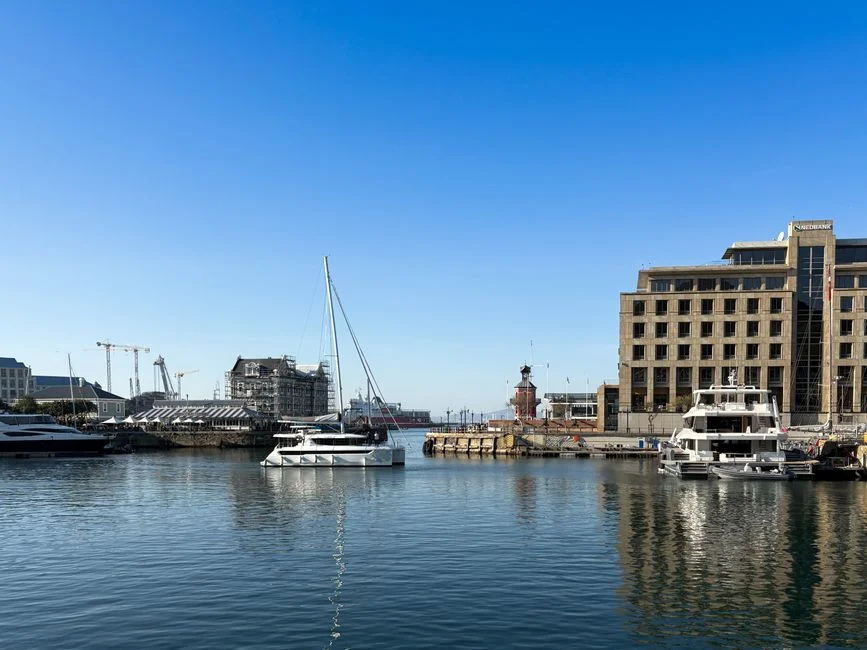
The United States stands at a critical juncture as the 2026 infrastructure deadline approaches, exposing deep-seated vulnerabilities in national transportation networks. This imperative, often viewed from the vantage point of major channel bridges and transit hubs, highlights the urgent need for systemic reform. Federal agencies and state governors are scrambling to align budgets with reality before the clock runs out.
Infrastructure Deficit Reaches Tipping Point
The American Society of Civil Engineers recently released a report card that paints a grim picture of the nation's physical assets. Roads, bridges, and transit systems received an overall grade of C-minus, signaling a steady decline despite recent investments. This assessment is not merely academic; it directly impacts daily commutes, supply chain efficiency, and economic growth across the country.
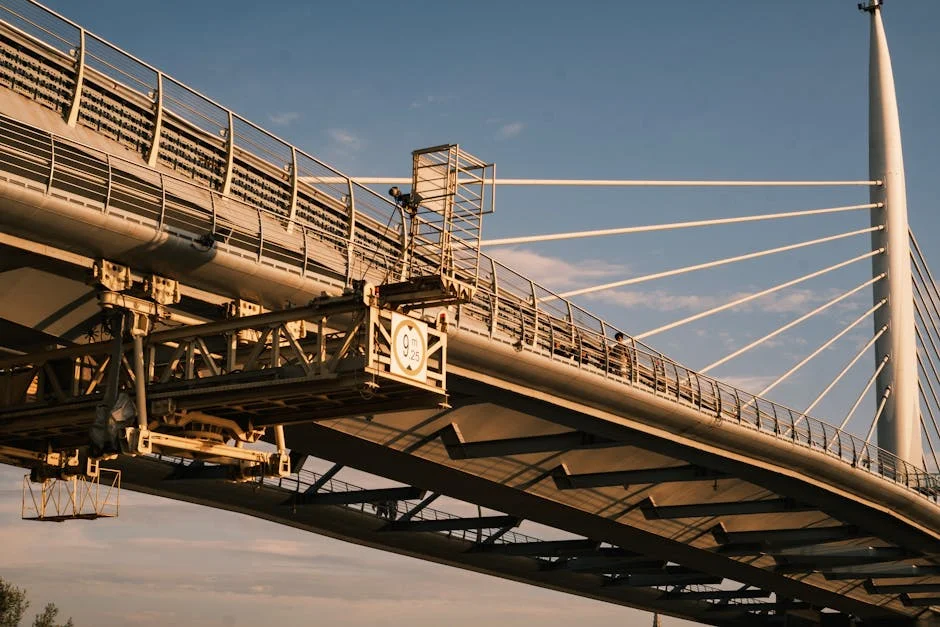
Specific attention is being paid to the structural integrity of aging bridges in key economic corridors. In cities like New York and Chicago, maintenance backlogs have grown into multi-billion-dollar liabilities. The cost of inaction is rising, with estimates suggesting that deferred maintenance could cost the economy $1.5 trillion over the next decade. This financial burden falls squarely on taxpayers and businesses alike.
Federal Funding Faces Political Hurdles
The Infrastructure Investment and Jobs Act provided a massive influx of capital, but the distribution process has proven slower than anticipated. The Department of Transportation is tasked with overseeing the allocation of approximately $1.2 trillion in new spending. However, bureaucratic delays and complex matching-fund requirements have slowed project launches in several states.
Bureaucratic Bottlenecks Slow Progress
State officials in Texas and California have voiced frustration over the pace of federal approvals. These states argue that rigid compliance standards are delaying critical repairs on highways and rail lines. The tension between federal oversight and local execution is creating a friction point that threatens to stall momentum before the 2026 target date.
Political polarization further complicates the funding landscape. With midterm elections approaching, bipartisan support for infrastructure spending is under pressure. Lawmakers are debating whether to extend current funding mechanisms or introduce new revenue streams to sustain the pace of construction. The outcome of these negotiations will determine whether the 2026 goals remain realistic.
Local Communities Bear the Immediate Brunt


The impact of these delays is most visible in local communities where infrastructure failures disrupt daily life. In Philadelphia, recent pothole crises have led to increased vehicle repair costs for residents. Similarly, water main breaks in older cities like Boston have caused widespread flooding and traffic gridlock. These incidents underscore the human cost of delayed infrastructure investment.
Business leaders are also feeling the strain. A survey by the National Association of Manufacturers revealed that nearly 60% of companies consider infrastructure a top priority for competitiveness. Poor road conditions increase delivery times and fuel costs, directly affecting the bottom line for small and medium-sized enterprises. This economic pressure is pushing local governments to advocate for faster federal disbursements.
Supply Chain Vulnerabilities Exposed
The fragility of the supply chain has become a central theme in infrastructure discussions. Ports and intermodal hubs are critical nodes in the national logistics network. Any disruption at these points can ripple through the entire economy, affecting everything from grocery prices to manufacturing output. The 2026 imperative aims to strengthen these nodes, but progress is uneven across regions.
Technological Innovation Offers New Solutions
Technological advancements are playing an increasing role in addressing infrastructure challenges. Smart sensors and data analytics are being deployed to monitor the health of bridges and tunnels in real time. Cities like Seattle and San Francisco are piloting programs that use artificial intelligence to predict maintenance needs before failures occur. These innovations promise to improve efficiency and reduce long-term costs.
Green infrastructure initiatives are also gaining traction. The push for sustainability is driving investments in electric vehicle charging networks and renewable energy grids. The Department of Energy is coordinating with state agencies to integrate these systems into broader infrastructure plans. This dual focus on resilience and sustainability reflects a shift in how the nation approaches physical development.
Looking Ahead: Critical Milestones Remain
The path to 2026 is fraught with challenges, but the stakes are high for the nation's economic future. The next 12 months will be crucial in determining whether federal and state governments can synchronize their efforts. Readers should watch for upcoming legislative votes on infrastructure funding and key announcements from the Department of Transportation. These developments will provide clear signals about the trajectory of the nation's infrastructure recovery.
See Also
- Invincible Season 4 Episode 8 Drops at 9 PM ET — What to Expect
- Indian Dating Apps Report 35% Surge in Small City Users — A Boon for Matchmakers
A survey by the National Association of Manufacturers revealed that nearly 60% of companies consider infrastructure a top priority for competitiveness. Ports and intermodal hubs are critical nodes in the national logistics network.
What is the latest news about 2026 imperative reveals structural flaws in us infrastructure?
Why does this matter for economy-business?
What are the key facts about 2026 imperative reveals structural flaws in us infrastructure?