US President Donald Trump has reiterated his stance on Iran, vowing that the country will not acquire a nuclear weapon, as diplomatic talks between the United States and Tehran continue. The comments come amid renewed efforts to de-escalate tensions, with officials in Washington and Tehran indicating that discussions are progressing. The latest developments have raised questions about the future of the 2015 nuclear deal and the broader geopolitical landscape in the Middle East.
Trump’s Unwavering Stance on Iran
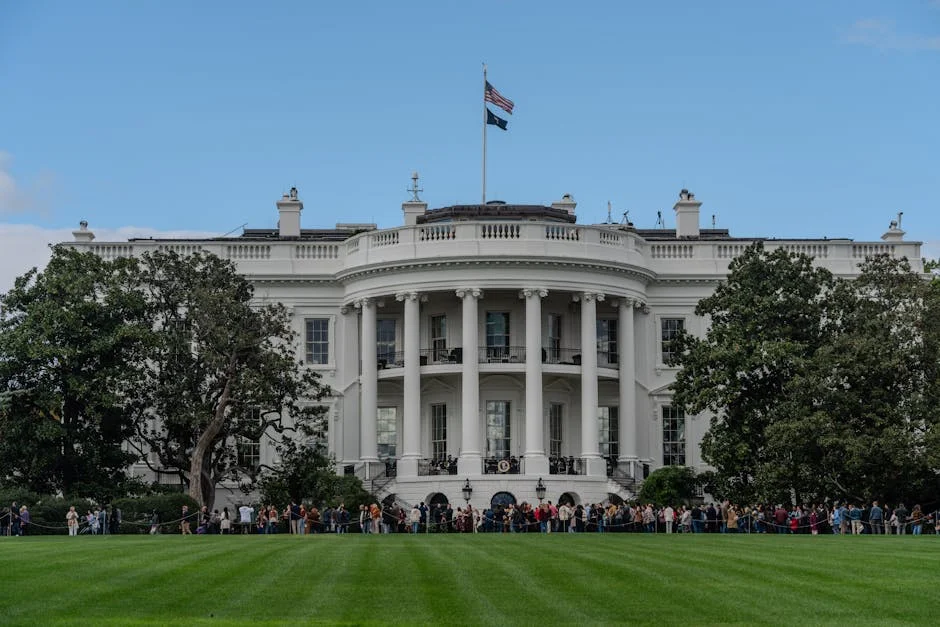
Speaking during a press briefing at the White House, Trump said, “They will not have a nuclear weapon. We will not allow it.” His remarks reflect a long-standing policy of resistance toward Iran’s nuclear ambitions, a position that has shaped US foreign policy for over a decade. The president’s comments follow recent reports that US and Iranian officials have engaged in backchannel negotiations, although no official confirmation has been made.
The administration’s firm stance is rooted in the 2018 decision to withdraw from the Joint Comprehensive Plan of Action (JCPOA), the landmark nuclear agreement signed with Iran in 2015. Since then, the US has imposed sweeping sanctions on Iran, aiming to curb its nuclear program and regional influence. Trump’s recent remarks signal a continuation of this approach, even as diplomatic channels remain open.
US-Iran Talks ‘On Track’
Despite the administration’s hardline rhetoric, senior US officials have indicated that discussions with Iran are “on track,” according to a source familiar with the talks. The conversations, which reportedly involve indirect negotiations through third-party intermediaries, focus on a range of issues, including regional security, the fate of US hostages, and the broader nuclear issue. However, no public details have been released, and the talks remain shrouded in secrecy.
The diplomatic engagement has drawn mixed reactions. Some analysts suggest that the US is seeking to create space for a new agreement that addresses its concerns more directly, while others warn that the lack of transparency could undermine trust. “The US needs to be clear about its objectives,” said Dr. Ali Vaez, a senior Iran analyst at the International Crisis Group. “Without clarity, the talks risk stalling or collapsing.”
Regional Implications and Geopolitical Tensions

The US-Iran dynamic has far-reaching implications for the Middle East, particularly for countries like Pakistan, which has long maintained complex relations with both nations. Pakistan’s government has expressed concern over the potential for increased regional instability, with Prime Minister Imran Khan calling for a “diplomatic solution” to the crisis. “We must avoid any escalation that could lead to conflict,” he said in a recent statement.
Tehran, meanwhile, has continued to assert its influence in the region, supporting proxy groups in Iraq, Yemen, and Syria. This has fueled tensions with US allies, including Saudi Arabia and the United Arab Emirates, which view Iran’s actions as a direct threat to their security. The ongoing talks may offer a rare opportunity for dialogue, but the path forward remains uncertain.
Historical Context and Policy Shifts
The current situation is shaped by a long history of US-Iran enmity, dating back to the 1979 Iranian Revolution and the subsequent hostage crisis. Since then, the two nations have had limited diplomatic contact, with relations fluctuating depending on the administration in Washington. The Trump administration has taken a notably confrontational approach, rolling back previous agreements and adopting a “maximum pressure” strategy.
However, recent developments suggest a potential shift. The US has quietly engaged with Iran in recent months, with some officials hinting at a willingness to negotiate. “The door is open, but it’s not a free pass,” said a senior State Department official. “We will only engage if there is a genuine commitment to addressing our concerns.”
What Comes Next?
The coming weeks will be critical in determining the trajectory of US-Iran relations. If the talks yield meaningful progress, it could mark a turning point in the long-standing standoff. However, if negotiations fail, tensions could rise, leading to further sanctions, military posturing, or even direct conflict. Analysts warn that the situation remains highly volatile, with both sides unwilling to make significant concessions.
For now, the focus remains on the next round of discussions, expected to take place in the coming weeks. The outcome will not only shape the future of US-Iran relations but also have profound implications for global security, regional stability, and the broader geopolitical order.
Frequently Asked Questions
What is the latest news about trump warns iran they will not have a nuclear weapon?
US President Donald Trump has reiterated his stance on Iran, vowing that the country will not acquire a nuclear weapon, as diplomatic talks between the United States and Tehran continue.
Why does this matter for economy-business?
The latest developments have raised questions about the future of the 2015 nuclear deal and the broader geopolitical landscape in the Middle East.
What are the key facts about trump warns iran they will not have a nuclear weapon?
We will not allow it.” His remarks reflect a long-standing policy of resistance toward Iran’s nuclear ambitions, a position that has shaped US foreign policy for over a decade.