Iran has reiterated that "fundamental issues" remain unresolved with the United States over the strategic Strait of Hormuz, a critical maritime chokepoint for global energy trade. The statement, made by Iranian Foreign Ministry spokesperson Nasser Kanaani, comes amid heightened regional tensions and ongoing diplomatic efforts to ease hostilities. The Strait, which connects the Persian Gulf to the Gulf of Oman, is a vital route for approximately 20% of global oil shipments.
Strategic Importance of the Strait of Hormuz
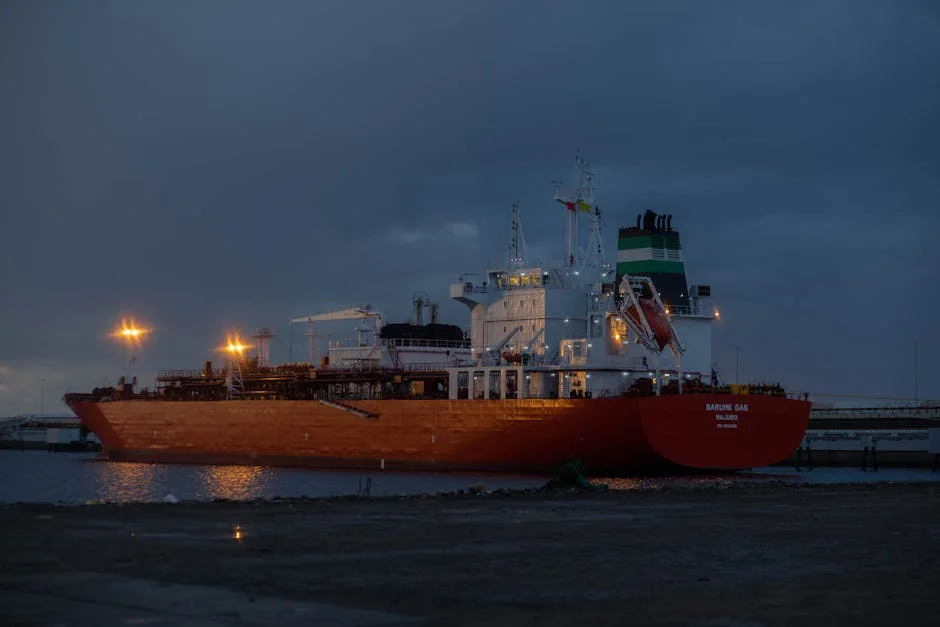
The Strait of Hormuz is a narrow waterway between Iran and the United Arab Emirates, measuring just 34 kilometers at its narrowest point. Its strategic value stems from its role in global energy security, with over 17 million barrels of oil passing through daily. The U.S. has long maintained a military presence in the region to ensure free navigation, but relations have deteriorated in recent years, particularly after the 2018 U.S. withdrawal from the Iran nuclear deal.
Iran’s recent comments highlight the fragile state of U.S.-Iran relations. Despite diplomatic overtures, including a high-level meeting between U.S. and Iranian officials in Baghdad in April 2023, both sides continue to trade accusations over maritime security and regional influence. The Iranian government has repeatedly criticized U.S. naval exercises in the area, calling them provocative and destabilizing.
Regional and Global Implications
The unresolved tensions between Iran and the U.S. in the Strait of Hormuz have significant implications for global markets and regional stability. Any disruption to shipping through the strait could send shockwaves through global oil prices, affecting economies worldwide. In 2019, a series of attacks on oil tankers in the area led to a sharp spike in crude prices, underscoring the strait's strategic vulnerability.
The European Union and Gulf Cooperation Council (GCC) nations have called for de-escalation, with the UAE and Saudi Arabia urging both sides to engage in dialogue. However, the U.S. has maintained a firm stance, emphasizing the need for Iran to comply with international norms and cease its support for regional proxies. "The U.S. will not allow any country to threaten the free flow of commerce through the Strait of Hormuz," said a U.S. State Department spokesperson in a recent statement.
Historical Context and Current Dynamics

Relations between the U.S. and Iran have been strained since the 1979 Iranian Revolution, with periodic flare-ups over issues such as nuclear proliferation, sanctions, and military presence in the Middle East. The 2015 Iran nuclear deal, formally known as the Joint Comprehensive Plan of Action (JCPOA), temporarily eased tensions, but the U.S. withdrawal in 2018 led to a resurgence of hostilities.
Recent diplomatic efforts have focused on reviving the JCPOA, but progress has been slow. The Iranian government has demanded the lifting of all U.S. sanctions before engaging in renewed negotiations, while the U.S. has insisted on stricter verification mechanisms. The current stalemate has left the Strait of Hormuz as a flashpoint for regional and global concerns.
Impact on Regional Alliances
The ongoing tensions have also influenced regional alliances, with Gulf states like the UAE and Bahrain strengthening ties with the U.S. and Israel. In 2020, the UAE and Bahrain normalized relations with Israel under U.S. mediation, a move seen as a counterbalance to Iranian influence. Meanwhile, Iran has deepened its military and economic ties with countries such as Russia and China, further complicating the regional balance of power.
The Strait of Hormuz remains a symbol of the broader geopolitical struggle in the Middle East. Any miscalculation or escalation in the area could have far-reaching consequences, not only for the region but for global energy markets and international security.
What to Watch Next
As both the U.S. and Iran continue to navigate their complex relationship, the coming months will be critical. Diplomatic talks are expected to resume, but the success of these efforts depends on both sides' willingness to compromise. The next major test will likely come during the U.N. General Assembly in September, where both nations are expected to address regional tensions. Additionally, any significant military activity in the Strait of Hormuz could trigger immediate market reactions and international responses.
See Also
- Singapore Blocks 6 Websites Over Hostile Information Threats
- Air Canada and WestJet Add Fuel Surcharges as Costs Rise