On May 12, an Indian-flagged tanker safely passed through the Strait of Hormuz, a critical maritime chokepoint, on the same day Iran reportedly fired on two other vessels in the region. The incident has raised concerns about the stability of global oil supplies and the security of shipping lanes that connect the Middle East to the rest of the world. The Indian government confirmed the tanker's passage, highlighting its commitment to maintaining trade routes despite escalating tensions.
Strait of Hormuz at Center of Geopolitical Tensions
The Strait of Hormuz, located between Iran and the United Arab Emirates, is one of the world's most important shipping lanes, with nearly 20% of global oil passing through it daily. The recent attacks have reignited fears of a broader regional conflict, especially after Iran's Islamic Revolutionary Guard Corps (IRGC) claimed responsibility for the strikes. The IRGC, a powerful military force in Iran, has been involved in several incidents in the past, including the 2019 seizure of a British oil tanker and the 2021 attack on a U.S. drone.
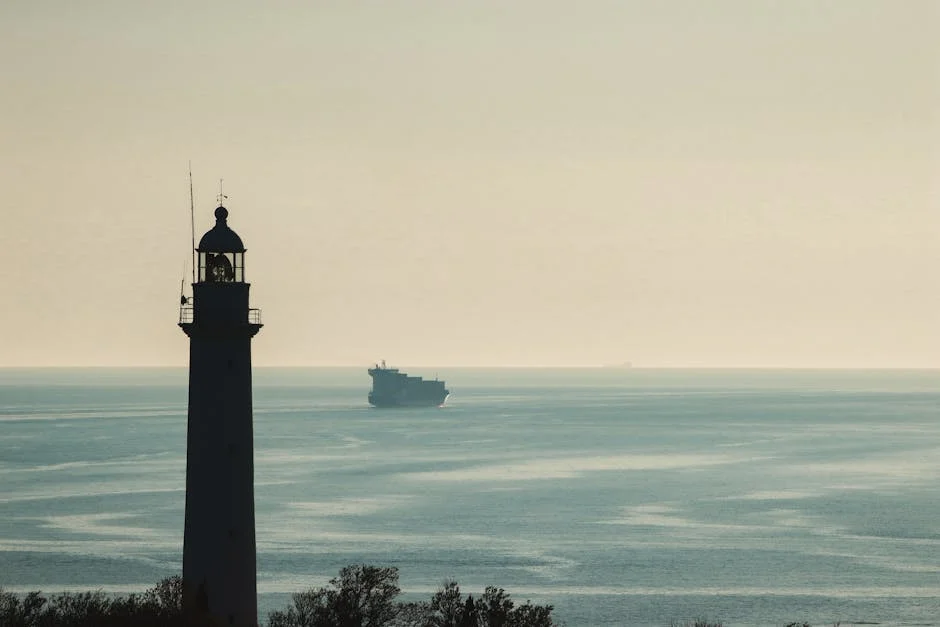
The Indian-flagged tanker, named the MV Arun, was reported to have passed through the strait without incident. The Indian Ministry of External Affairs confirmed the vessel’s safe transit, stating that it was part of a routine commercial operation. However, the timing of the incident has raised questions about the potential for further escalation. Analysts suggest that the attacks could lead to increased military presence in the region, affecting global energy markets and shipping costs.
India's Role in Regional Stability
India, a major importer of oil and gas, has a vested interest in maintaining open sea routes through the Strait of Hormuz. The country's foreign minister, S. Jaishankar, has called for calm and urged all parties to avoid actions that could destabilize the region. India has also been working closely with the United States and Gulf states to ensure the security of maritime trade, as part of its broader Indo-Pacific strategy.
India's strategic location and economic interests make it a key player in the region. The country has been expanding its naval presence in the Indian Ocean and has signed several defense agreements with Gulf nations. However, the recent attacks have put pressure on India to balance its diplomatic relations with both Iran and its Gulf allies. The Indian government has maintained a neutral stance, emphasizing the importance of dialogue and de-escalation.
Impact on Global Markets and Energy Security

The Strait of Hormuz is a crucial artery for global energy trade, with over 17 million barrels of oil passing through it daily. Any disruption in this route could cause a sharp increase in oil prices, affecting economies worldwide. The U.S. Department of Energy has warned that a prolonged closure of the strait could lead to a global energy crisis, with prices potentially rising by up to 30%.
The recent attacks have already had a ripple effect on global markets. On May 13, oil prices rose by 2.5%, reflecting concerns over supply chain disruptions. The International Energy Agency (IEA) has called for increased surveillance and coordination among regional powers to prevent further incidents. The agency also noted that the global energy system remains resilient, but any prolonged conflict could test that resilience.
Regional Responses and Diplomatic Efforts
The United States has pledged to protect U.S. vessels and allies in the region, with the U.S. Navy increasing its presence in the Persian Gulf. The U.S. State Department has also called for an immediate investigation into the attacks, urging Iran to cease its "aggressive actions." Meanwhile, the United Arab Emirates has offered to mediate between Iran and its regional rivals, highlighting the need for diplomatic solutions.
India has also been involved in regional diplomacy, with Prime Minister Narendra Modi engaging in talks with Gulf leaders to address concerns over maritime security. The Indian government has reiterated its support for peaceful resolution of conflicts and has called on all parties to avoid actions that could lead to further instability.
What to Watch Next
As tensions continue to rise, the next few weeks will be critical in determining the trajectory of the situation. The U.S. and its allies are expected to increase naval patrols in the region, while Iran may respond with further actions. The Indian government will likely continue to monitor the situation closely, ensuring the safety of its vessels and trade interests.
Global markets will also be watching the situation closely, as any escalation could lead to increased volatility. The International Energy Agency has set a deadline for a regional security summit in June, where key stakeholders will discuss ways to prevent future incidents. For now, the focus remains on de-escalation and the protection of vital shipping lanes.
See Also
- Tribunal Constitucional Delays Election to May Amid Legal Challenges
- Experts Call for Punishment of Water Fund Embezzlement in Municipalities
What is the latest news about indias tanker navigates hormuz after iran attacks vessels?
Why does this matter for economy-business?
What are the key facts about indias tanker navigates hormuz after iran attacks vessels?