Iranian authorities seized an oil tanker in the Strait of Hormuz on Monday, marking the latest escalation in regional tensions. The incident, which occurred near the strategic waterway, has raised concerns about the stability of global energy supplies. The ship, flagged under a European country, was detained by Iranian naval forces, according to a statement from the Islamic Republic’s Ministry of Foreign Affairs.
What Happened and Why It Matters
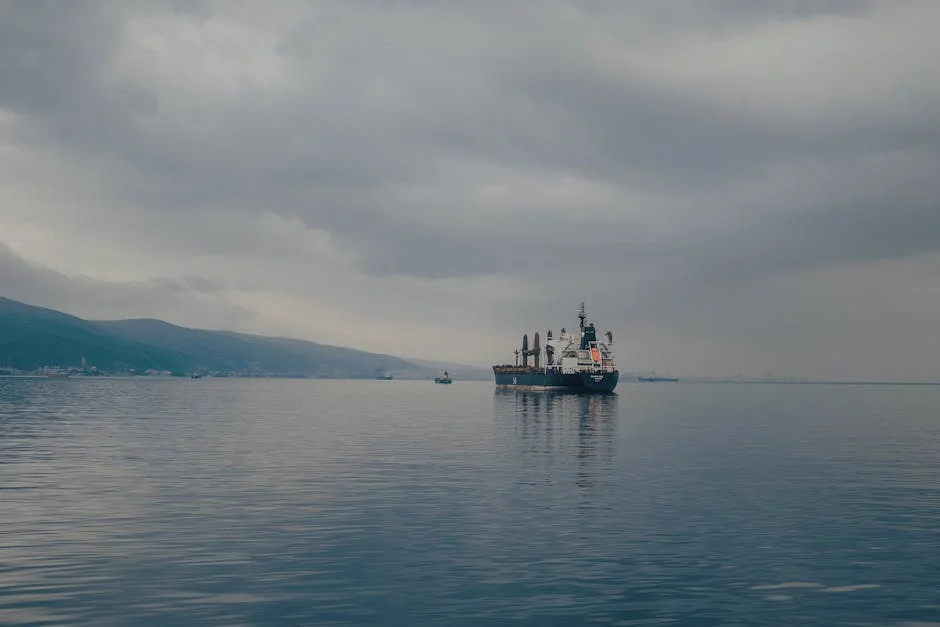
The seizure took place in the early hours of Monday near the strategic Strait of Hormuz, a critical chokepoint for about 20% of the world’s oil supply. The ship, identified as the MSC Aries, was reportedly carrying a cargo of crude oil when it was intercepted by Iranian vessels. The Ministry of Foreign Affairs confirmed the detention, stating that the ship violated “international maritime laws.”
The incident has sparked immediate reactions from the international community. The United States, which has long maintained a naval presence in the region, called for the ship’s release, warning that such actions could destabilise global markets. The European Union also expressed concern, with the EU’s foreign policy chief, Josep Borrell, stating that the move “threatens the free flow of commerce and undermines regional security.”
The Strait of Hormuz, located between Iran and Oman, is a vital corridor for global trade, with approximately 17 million barrels of oil passing through daily. Any disruption in this route can send shockwaves through global energy markets. The incident also highlights the fragile security situation in the region, where Iran has been engaged in a tense standoff with the United States and its allies for years.
Historical Context and Regional Tensions
The Strait of Hormuz has been a flashpoint for geopolitical conflicts for decades. In 2019, a series of attacks on oil tankers in the area were attributed to Iran, leading to heightened tensions. The U.S. and Iran have since engaged in a series of diplomatic and military posturing, with both sides accusing each other of destabilising the region.
Iran’s recent actions come amid a broader context of economic and political pressure. The country has faced stringent international sanctions over its nuclear programme and its involvement in regional conflicts. The detention of the MSC Aries is seen as a demonstration of Iran’s growing assertiveness, particularly in its maritime domain.
Regional analysts suggest that the move could be part of a broader strategy by Iran to signal its influence in the area. “This is not just about a single ship,” said Dr. Reza Marashi, a senior research fellow at the Middle East Institute. “It’s a calculated step to assert Iran’s control over a critical strategic route.”
Global Reactions and Economic Implications

The incident has already begun to affect global markets. Oil prices rose by over 2% in early trading on Tuesday as investors worried about potential supply disruptions. The price of Brent crude reached $86 per barrel, the highest level in over a year. Traders are closely monitoring the situation, with some fearing that further escalations could lead to a sharp rise in energy costs.
The United States has not ruled out a military response, though officials have called for a diplomatic resolution. “We are closely monitoring the situation and will take all necessary steps to protect American interests,” said a spokesperson for the U.S. Department of State. Meanwhile, the International Maritime Organisation (IMO) has called for the immediate release of the ship and the resumption of free navigation in the strait.
European countries, which rely heavily on oil imports, have also expressed concern. The German government called the detention “unacceptable” and urged Iran to act responsibly. The UK, meanwhile, has warned that further actions could lead to increased sanctions.
What Comes Next?
The next few days will be critical in determining the trajectory of the situation. Diplomatic channels between Iran and the United States are expected to be reopened, with the U.S. seeking assurances that the ship will be released. At the same time, regional powers such as Saudi Arabia and the UAE are monitoring the situation closely, as they are heavily dependent on the stability of the Strait of Hormuz.
Analysts suggest that the incident could lead to a broader confrontation. “This is a dangerous moment,” said Dr. Marashi. “If the ship is not released quickly, it could trigger a chain reaction that affects global trade and energy security.”
The international community is watching closely, with the next 48 hours likely to determine whether the situation de-escalates or worsens. For now, the focus remains on the MSC Aries and the potential consequences of its detention.
The next major development to watch is the response from the United Nations, which is expected to convene an emergency session on the matter. Additionally, the U.S. and its allies may take further steps to ensure the free flow of commerce through the strait. As tensions continue to mount, the world is once again reminded of the strategic importance of the Strait of Hormuz and the fragile balance of power in the region.
See Also
- Labour Unveils Plan to Fix NHS Dentistry Crisis
- Nigeria Launches Cassava Initiative to Cut Ethanol Imports
What is the latest news about iran seizes oil tanker in strait of hormuz tensions escalate?
Why does this matter for economy-business?
What are the key facts about iran seizes oil tanker in strait of hormuz tensions escalate?