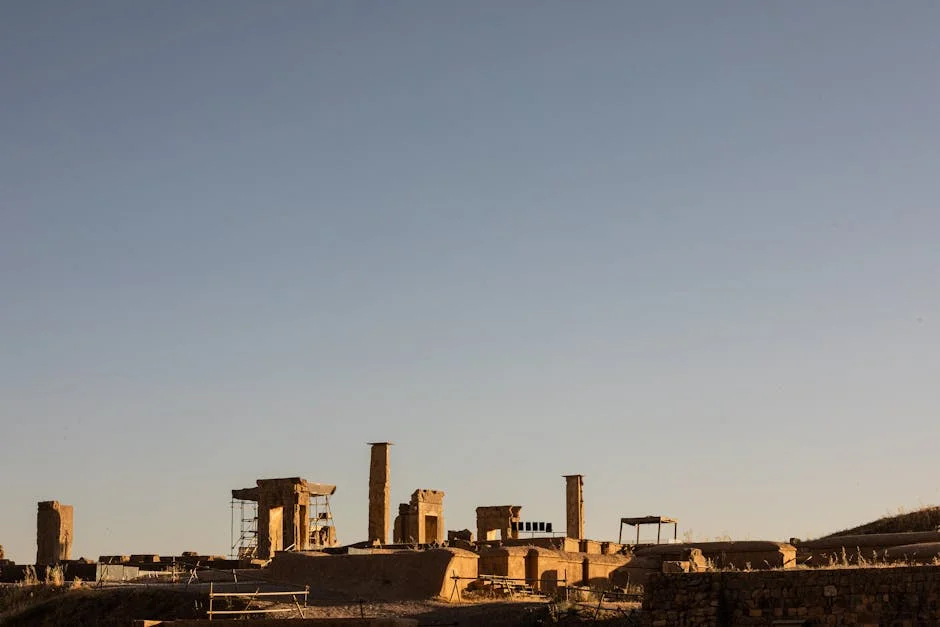
Global equity markets slid on Tuesday as uncertainty surrounding the US-Iran peace agreement weighed heavily on investor sentiment. Oil prices showed divergent trends, with Brent crude fluctuating sharply in reaction to diplomatic signals from Washington and Tehran. The market movement highlights the ongoing sensitivity of global economics to Middle East geopolitical stability.
Wall Street Reacts to Diplomatic Stalemate
The Dow Jones Industrial Average opened lower, reflecting immediate concern among traders about the durability of the ceasefire terms. Investors are closely monitoring statements from the US State Department regarding potential sanctions relief for Tehran. Any delay in implementation could trigger a fresh wave of volatility across US financial sectors. The S&P 500 also faced downward pressure as technology and energy stocks led the decline.

Analysts note that the market has not fully priced in the possibility of a retrograde in negotiations. The Federal Reserve’s upcoming decision on interest rates adds another layer of complexity to the current economic landscape. Market participants are watching for clarity on how long the US will maintain the current sanctions regime. This uncertainty creates a risk-off environment that favors safe-haven assets like gold and the US dollar.
The energy sector experienced mixed signals, with some oil majors rising on supply fears while others fell on demand concerns. The divergence in oil prices reflects the conflicting narratives of immediate supply disruption versus long-term diplomatic success. This volatility makes it difficult for consumers to predict future gasoline prices in the coming months. The market is essentially betting on both outcomes simultaneously, creating a choppy trading day.
Asian Markets Show Resilience Amid Global Jitters
Asian news today highlights a nuanced response to the US-Iran developments. Markets in Tokyo and Singapore opened with modest gains, suggesting that regional investors are focusing on domestic economic data. The Nikkei 225 index showed strength as Japanese exporters benefited from a weaker yen. This regional resilience contrasts with the more pronounced selloff seen in Western markets.
Regional Economic Interdependencies
The impact on Asian economies depends heavily on their energy import needs. Countries like Japan and South Korea rely on Middle Eastern oil, making them sensitive to price swings. However, strong manufacturing data from China has provided a buffer against external geopolitical shocks. The Asian impact on the United States is also becoming more apparent as supply chains adjust to new realities.
Investors are looking at how Asian central banks will react to these global shifts. The Bank of Japan and the Reserve Bank of India are key players in determining regional liquidity. Their monetary policy decisions could influence capital flows back into US markets. This interconnection means that a slowdown in Asia could quickly transmit to US corporate earnings.
The divergence between Asian and US market performance offers a clue about where global growth is most robust. Asia’s relative stability suggests that the continent is less dependent on immediate diplomatic breakthroughs in the Middle East. This resilience is a positive sign for global economic recovery. It indicates that diversification of trade partners is paying off for many Asian nations.
Oil Market Dynamics and Price Volatility
Crude oil prices experienced significant swings throughout the trading session. Brent crude rose by 1.5% before pulling back as diplomatic talks showed signs of progress. This volatility is typical when markets are trying to digest conflicting news flows from the region. Traders are adjusting their positions rapidly in response to every new statement from Tehran and Washington.
The US strategic petroleum reserve plays a key role in stabilizing prices during such uncertainty. The Department of Energy has hinted at potential releases if prices spike above a certain threshold. This possibility acts as a ceiling for oil prices, preventing them from running too far ahead. However, the effectiveness of this tool depends on the duration of the diplomatic stalemate.
Iranian oil production remains a critical variable in the global supply equation. If the peace deal holds, Iran could increase its daily output by 2 million barrels. This potential supply influx could lower global prices and ease inflationary pressures. Conversely, a collapse in the deal could see Iran’s exports drop sharply, tightening the market.
The divergence in oil prices reflects the complex interplay between supply and demand factors. Geopolitical risk premiums are being added to the benchmark price, but economic data from major consumers also matters. The US economy’s resilience means that demand remains relatively strong despite higher prices. This balance keeps oil prices within a specific range, preventing extreme movements.
Geopolitical Risks and Regional Stability


The Middle East remains a focal point for global geopolitical risk. The US-Iran peace deal is not just about two nations; it affects the entire region’s stability. Neighboring countries like Saudi Arabia and the United Arab Emirates are watching the negotiations closely. Their reactions will influence the broader regional dynamic and oil market sentiment.
Tensions in the Strait of Hormuz could escalate if diplomatic efforts stall. This narrow waterway is a critical chokepoint for global oil shipments. Any disruption there would have immediate and severe consequences for global energy prices. The US Navy’s presence in the region is a key factor in maintaining the flow of oil.
The role of European powers in mediating the deal is also becoming more prominent. Germany, France, and the UK are pushing for a comprehensive agreement that includes nuclear and economic components. Their involvement adds another layer of complexity to the negotiations. A multilateral approach could lead to a more durable peace, but it also slows down the process.
The potential for military intervention, though low, remains a wildcard. A surprise attack or assassination in Tehran or Washington could quickly unravel the peace process. Markets are pricing in a small but non-zero probability of such an event. This risk premium is reflected in the volatility of equity and commodity markets.
Economic Implications for US Consumers
How Iran affects the United States extends beyond stock markets and oil prices. The average American consumer feels the impact through gasoline prices and inflation. Higher oil prices can lead to increased costs for transportation and manufacturing. This can translate into higher prices for everyday goods, from groceries to electronics.
The Iran impact on the United States also includes potential changes in monetary policy. If inflation rises due to energy costs, the Federal Reserve may need to raise interest rates. This could slow down economic growth and increase borrowing costs for homeowners and businesses. The interplay between geopolitics and monetary policy is a key concern for investors.
Small businesses are particularly sensitive to these economic shifts. Higher input costs can squeeze profit margins, forcing companies to adjust their pricing strategies. This can lead to a ripple effect throughout the economy, affecting employment and consumer spending. The resilience of the US labor market is a key factor in mitigating these effects.
The long-term economic relationship between the US and Iran is also evolving. Trade ties, though limited, could expand if the peace deal holds. This could create new opportunities for US exporters and investors. However, the political landscape in Washington could also lead to a reversal of policies, adding to the uncertainty.
Market Outlook and Investor Strategy
Investors are adopting a cautious stance as they navigate this period of uncertainty. Diversification across asset classes is a key strategy to mitigate risk. Bonds and gold are seeing increased demand as safe-haven assets. Equities, particularly in the energy and technology sectors, are being monitored closely for further signals.
The upcoming weeks will be critical in determining the trajectory of the peace deal. Key deadlines for sanctions relief and diplomatic meetings are approaching. Markets will react sharply to any progress or setbacks. Investors should remain flexible and ready to adjust their portfolios based on new information.
The broader economic context, including US employment data and inflation reports, will also play a role. Strong economic data could provide a buffer against geopolitical risks. Weak data could amplify market volatility. The interplay between domestic economic factors and international events is a key theme for markets.
Long-term investors are focusing on the fundamental strength of companies. Quality businesses with strong balance sheets are better positioned to weather short-term volatility. This approach helps to reduce the impact of noise and focus on long-term value creation. Patience and discipline are key in uncertain market conditions.
What to Watch Next Week
Markets will be closely watching the next round of diplomatic talks between Washington and Tehran. Any breakthrough or deadlock will have immediate implications for oil prices and equity markets. The release of key economic data from the US and Asia will also provide further clues about global growth. Investors should monitor these developments closely to adjust their strategies accordingly. The coming days will be critical in shaping the market narrative.
See Also
- Eskom Complies with SCA Order, Releases Legacy Energy Contracts to AfriForum
- Vale and Lisbon Forge New European Trade Axis