Brent crude oil prices fell to $89.75 a barrel on Wednesday as uncertainty looms over the potential extension of a U.S.-Iran ceasefire. President Donald Trump has yet to announce his approval, which is crucial for stabilising the region and its oil exports.
Impact of the Ceasefire on Oil Prices
The U.S.-Iran ceasefire, originally negotiated last month, temporarily eased hostilities and allowed for some level of oil export from Iran, which has faced heavy sanctions. The market responded positively to this development in early May, pushing Brent crude oil prices to recent highs. However, with Trump's approval still pending, traders are growing increasingly concerned about supply disruptions.
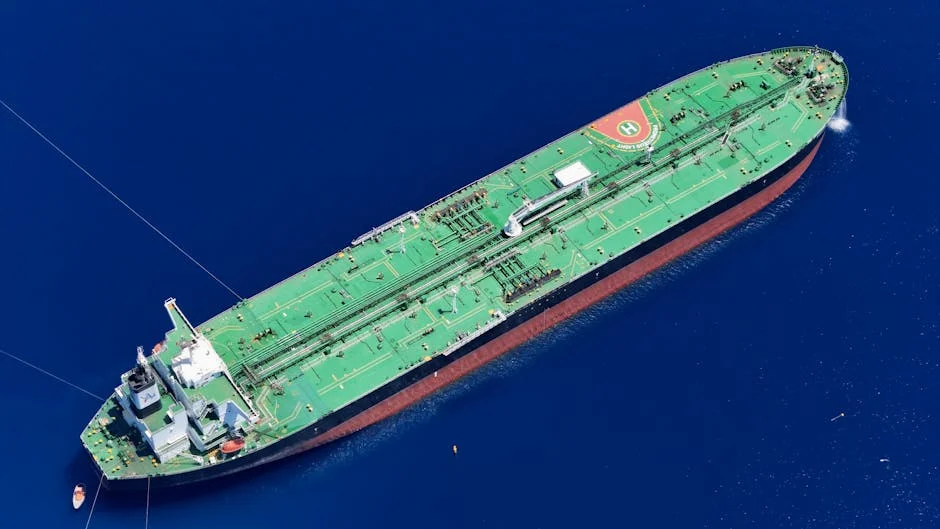
Since the ceasefire was announced, Brent crude has fluctuated, reflecting market uncertainty. In just the past week, prices have dipped approximately 2%, demonstrating how sensitive the oil market is to geopolitical developments.
Context of the U.S.-Iran Relations
The relationship between the United States and Iran has been tense for decades, marked by sanctions and military confrontations. The Biden administration initially sought to restore the 2015 nuclear deal, which limited Iran's nuclear activities in exchange for sanction relief. However, the recent ceasefire efforts represent a new approach intended to create a more stable environment for oil trading.
As of now, Iran's oil exports have been severely limited, dropping from over 2.5 million barrels per day in 2018 to nearly 300,000 barrels currently, according to estimates from the International Energy Agency. Should the ceasefire extension be approved, Iran's increased oil supply could provide relief to global markets struggling with rising prices.
South Africa's Role in Global Oil Supply


South Africa, as a significant player in the oil market, has felt the ripple effects of fluctuating oil prices. As a major importer of crude oil, South Africa relies heavily on stable prices to maintain economic stability. The country imports approximately 80% of its crude oil, mainly from the Middle East and West Africa.
With the Brent crude oil price developments explained by this geopolitical tension, South Africa's energy sector is closely monitoring outcomes from the Trump administration. Any significant price shifts could impact fuel costs, inflation, and, ultimately, consumer behavior.
Current Oil Price Trends
As of today, the brent crude oil price stands at $89.75, down from $91.50 per barrel earlier this week. Market analysts attribute this dip to concerns over the potential escalation of tensions in the Middle East and the uncertain future of the U.S.-Iran relationship. Ahead of Trump's decision, traders are assessing how these developments might influence prices in the short term.
What’s Next?
The next critical date to watch is August 1, when President Trump is expected to announce his decision regarding the ceasefire extension. Analysts suggest that a favourable decision could stabilise oil prices, while a refusal could lead to a significant increase in Brent crude prices as fears of supply shortages loom.
Investors and consumers alike should be prepared for potential volatility in the coming weeks, as events unfold in the Middle East and affect global oil markets. The implications of Trump's decision will be felt not only in the United States but also in oil-importing nations like South Africa, which are directly impacted by these market shifts.
See Also
- Lula Slams US for 'Undemocratic' Interventions in Venezuela and Cuba
- Farioli Reveals Desire to Keep Alarcón at Porto - Major Impact on European Soccer Markets
Any significant price shifts could impact fuel costs, inflation, and, ultimately, consumer behavior.Current Oil Price TrendsAs of today, the brent crude oil price stands at $89.75, down from $91.50 per barrel earlier this week. Analysts suggest that a favourable decision could stabilise oil prices, while a refusal could lead to a significant increase in Brent crude prices as fears of supply shortages loom.Investors and consumers alike should be prepared for potential volatility in the coming weeks, as events unfold in the Middle East and affect global oil markets.