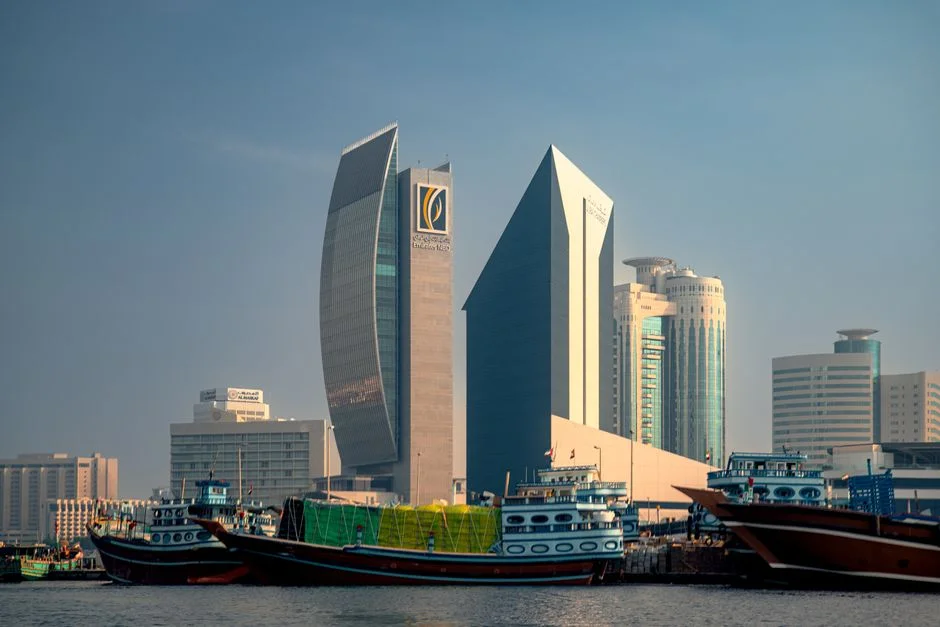
Iran has issued a stark warning that any vessel approaching the Strait of Ormuz will be considered a military target, escalating tensions in one of the world's most critical maritime chokepoints. The statement came from the Islamic Revolutionary Guard Corps (IRGC), a powerful branch of Iran's military, and marks a significant escalation in the country's ongoing confrontation with the United States and its allies. The Strait, located between Iran and Oman, is a vital route for global oil shipments, with over 20% of the world's oil passing through it daily.
Iran's Military Threats and Regional Context
The IRGC's declaration follows a series of recent confrontations between Iran and the U.S., including the 2020 killing of Iranian general Qasem Soleimani and ongoing disputes over Iran's nuclear program. The threat to ships in the Strait of Ormuz is not new, but the explicit wording of the warning signals a shift in tone. The IRGC emphasized that any ship entering the area would be treated as a potential threat, a move that could trigger immediate military action.
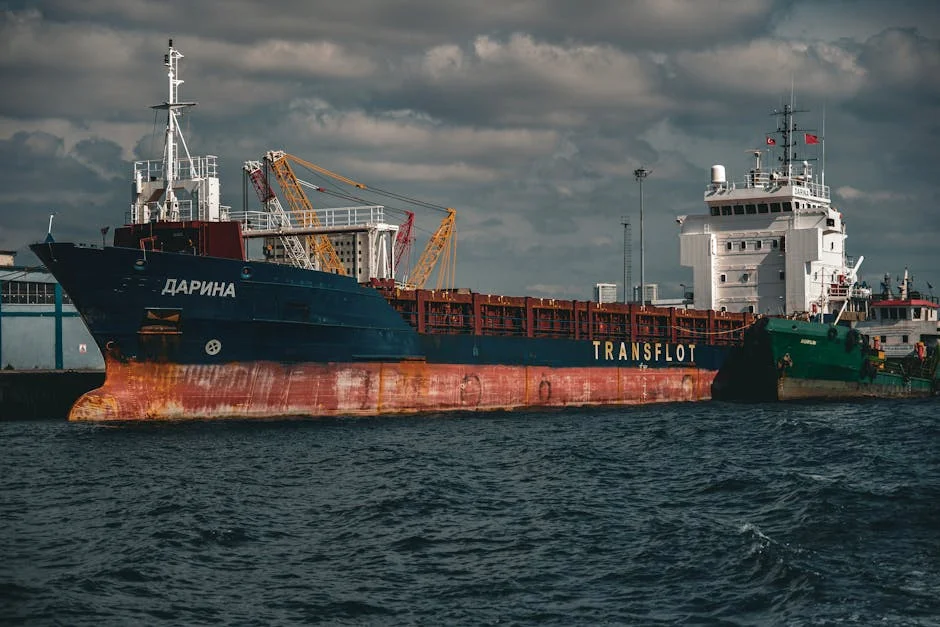
The Strait of Ormuz, a narrow waterway of just 34 kilometers at its narrowest point, is a strategic linchpin for global energy security. In 2021, the U.S. Department of Energy reported that approximately 17 million barrels of oil per day passed through the strait, making it a key focus for both regional and international powers. The threat from Iran has raised concerns among shipping companies and global energy markets.
International Reactions and Geopolitical Implications
The U.S. State Department has responded cautiously, urging all parties to de-escalate tensions and avoid actions that could lead to conflict. "We remain committed to freedom of navigation and the peaceful resolution of disputes," a spokesperson said. However, the warning has already sent ripples through the global shipping industry. The International Chamber of Shipping, a key maritime organization, has called for increased diplomatic efforts to prevent any disruption to trade.
Regional allies, including the United Arab Emirates and Oman, have also expressed concern. The UAE, which has close ties with both Iran and the U.S., has urged dialogue to avoid a potential crisis. Meanwhile, the European Union has called for renewed diplomatic engagement, emphasizing the importance of maintaining stability in the region.
Historical Precedents and Current Tensions


The Strait of Ormuz has been a flashpoint in the past. In 2019, Iran seized a British oil tanker, the Stena Impero, and later released it after a diplomatic resolution. Similarly, in 2020, the U.S. shot down an Iranian drone near the strait, leading to heightened military posturing. These incidents highlight the fragile balance of power in the region, where both Iran and the U.S. seek to assert influence.
The latest threat from the IRGC comes amid a broader pattern of Iranian military activity. According to the U.S. Department of Defense, Iran has conducted over 20 military exercises in the Persian Gulf since 2022, many of which have involved the IRGC. These drills often include missile tests and naval maneuvers, signaling a readiness to respond to perceived threats.
Impact on Global Energy Markets
The potential disruption of shipping through the Strait of Ormuz could have far-reaching economic consequences. Energy analysts estimate that a full closure of the strait could lead to a 10% spike in global oil prices. This would have a direct impact on consumers and industries worldwide, particularly in the U.S., where fuel costs are already rising. The U.S. Energy Information Administration has warned that any significant disruption in the region could lead to increased volatility in energy markets.
In response, the U.S. has deployed additional naval assets to the region, including the aircraft carrier USS Abraham Lincoln, to ensure freedom of navigation. However, this military presence has been met with criticism from some U.S. allies, who fear it could further inflame tensions. "We need to avoid a situation where military posturing leads to unintended conflict," said a senior EU official.
What Comes Next?
The coming weeks will be critical in determining whether the situation escalates further. Diplomatic channels remain open, with the U.S. and its allies urging Iran to reconsider its stance. However, the IRGC's warning suggests that Iran is prepared to take a more aggressive posture if it perceives a threat. The international community will be watching closely for any signs of de-escalation or further military posturing.
For now, shipping companies are closely monitoring the situation, with some rerouting vessels to avoid the area. The next major test will come in the form of a planned U.S.-led naval exercise in the region, which could either calm or heighten tensions. As the situation unfolds, the Strait of Ormuz remains a focal point for global energy security and geopolitical stability.
See Also
- Washington Slams EU Tariffs as Trade Tensions Escalate
- Michele Tafoya Slams Russini's Credibility — What It Means for US Sports Media
These incidents highlight the fragile balance of power in the region, where both Iran and the U.S. Impact on Global Energy Markets The potential disruption of shipping through the Strait of Ormuz could have far-reaching economic consequences.
What is the latest news about iran warns ships near ormuz strait will be targeted?
Why does this matter for economy-business?
What are the key facts about iran warns ships near ormuz strait will be targeted?