The United Nations has confirmed that at least 250 migrants are missing after a boat sank in the Indian Ocean, sparking an urgent search and rescue operation. The incident, reported by the Indian Ocean Maritime Coordination Centre, occurred near the island nation of Seychelles, a key transit point for migrants from East Africa. The exact cause of the sinking remains under investigation, but preliminary reports suggest the vessel was overcrowded and unseaworthy.
Disaster in the Indian Ocean
The boat, which left the coastal city of Mombasa in Kenya, was carrying an estimated 300 passengers. Only 50 survivors were rescued by a passing fishing vessel and later transferred to a UN-coordinated relief effort. The UN Refugee Agency (UNHCR) has described the incident as one of the deadliest in the region in recent years. "This tragedy highlights the desperate conditions faced by migrants attempting to cross the Indian Ocean," said UNHCR spokesperson Maria Lopez.
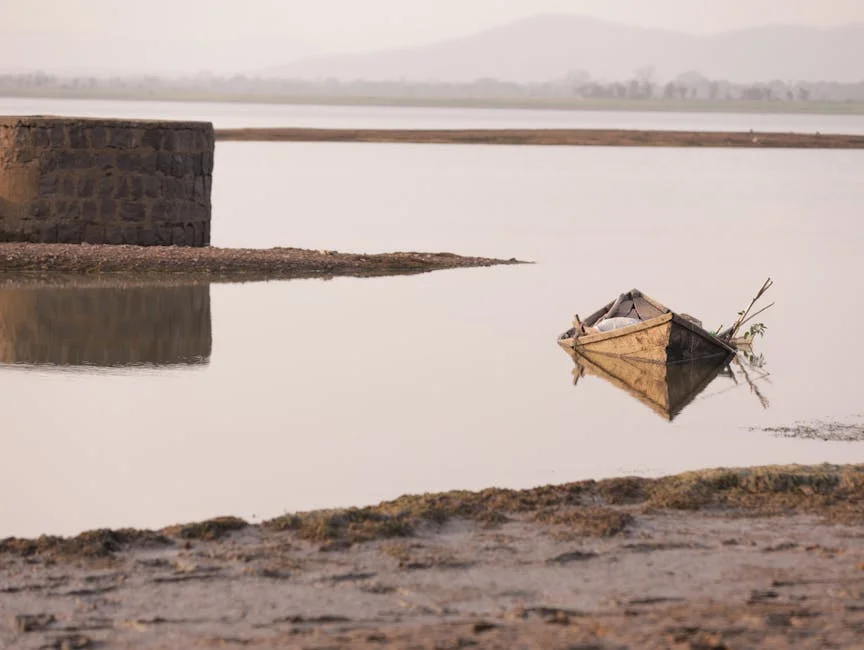
The Indian Ocean has long been a dangerous route for migrants fleeing conflict, poverty, and political instability in East Africa. Countries such as Somalia, South Sudan, and Ethiopia have seen mass displacement, with many turning to smugglers for passage to safer destinations. The route to the Seychelles and the United Arab Emirates is particularly perilous, with vessels often lacking proper safety equipment and navigational tools.
Regional and Global Response
The United Nations has called for an immediate review of regional maritime security protocols. "We need a coordinated approach to prevent further loss of life," said UN Secretary-General António Guterres in a statement. The UN has also urged coastal states to improve search and rescue capabilities and to address the root causes of migration, including conflict and economic hardship.
Seychelles, which has a small but growing migrant population, has pledged to support the rescue mission. The country’s Ministry of Home Affairs has deployed naval vessels and aircraft to the area, while international aid groups have mobilised emergency supplies. "This is a humanitarian crisis that demands global attention," said Seychelles Foreign Affairs Minister James Mwakasungu.
Historical Context of Migrant Routes

The Indian Ocean migrant route has seen a surge in activity over the past decade. According to the International Organization for Migration (IOM), over 100,000 migrants have attempted the journey since 2015, with an estimated 10% losing their lives. The route is often used by those seeking asylum in the Gulf states, where economic opportunities are more plentiful.
Smugglers operate with relative impunity, exploiting weak maritime governance and the lack of enforcement in regional waters. The Indian Ocean Maritime Coordination Centre, established in 2019, has been tasked with improving surveillance and coordination, but enforcement remains inconsistent. "We are dealing with a complex network that operates across multiple jurisdictions," said IOM representative Amina Jallow.
Challenges in Enforcement
The lack of a unified legal framework complicates efforts to combat migrant trafficking. Countries in the region have different policies on asylum and deportation, creating loopholes that traffickers exploit. Additionally, the vastness of the Indian Ocean makes it difficult to monitor all vessels.
Human rights organisations have also raised concerns about the treatment of migrants once they reach their destinations. Many are detained in overcrowded facilities or subjected to forced labor. "This is not just a maritime crisis — it is a human rights crisis," said Amnesty International researcher David Njoroge.
The UN has urged member states to adopt a more compassionate approach, including the expansion of legal migration pathways and the protection of vulnerable populations. "We must stop treating migrants as criminals and instead focus on saving lives," Njoroge added.
What Comes Next?
As the search for survivors continues, the UN and regional authorities are preparing for a long-term response. A high-level meeting is scheduled for next week to discuss new policies on maritime security and migrant protection. The United States, which has been a key donor to regional development programs, has pledged to increase funding for search and rescue operations.
The tragedy has also reignited calls for a global agreement on migration. With the number of displaced people reaching record levels, the international community faces mounting pressure to find sustainable solutions. "This is a wake-up call," said UNHCR’s Lopez. "We cannot ignore the plight of those risking everything for a chance at a better life."
The next 48 hours will be critical as rescue teams comb through the area for any sign of survivors. Meanwhile, the international community must decide how to prevent future tragedies. The Indian Ocean, once a symbol of beauty and opportunity, now bears the scars of a growing humanitarian crisis.
See Also
- Kyiv Accuses Moscow of Shattering Unilateral Truce
- Department Warns Against West Coast Shellfish Due to High Toxin Levels