Julius Mkhwanazi, the deputy chief of the Economic and Financial Crimes Investigation Unit (EMPD) in South Africa, will face a bail hearing on Thursday as he is charged with corruption and abuse of office. The hearing, set for 10:00 AM at the Johannesburg High Court, comes after Mkhwanazi was arrested last month following an investigation by the National Prosecuting Authority (NPA). The case has sparked renewed debate over the effectiveness of South Africa's anti-corruption efforts, particularly in high-ranking positions.
Charges and Legal Proceedings
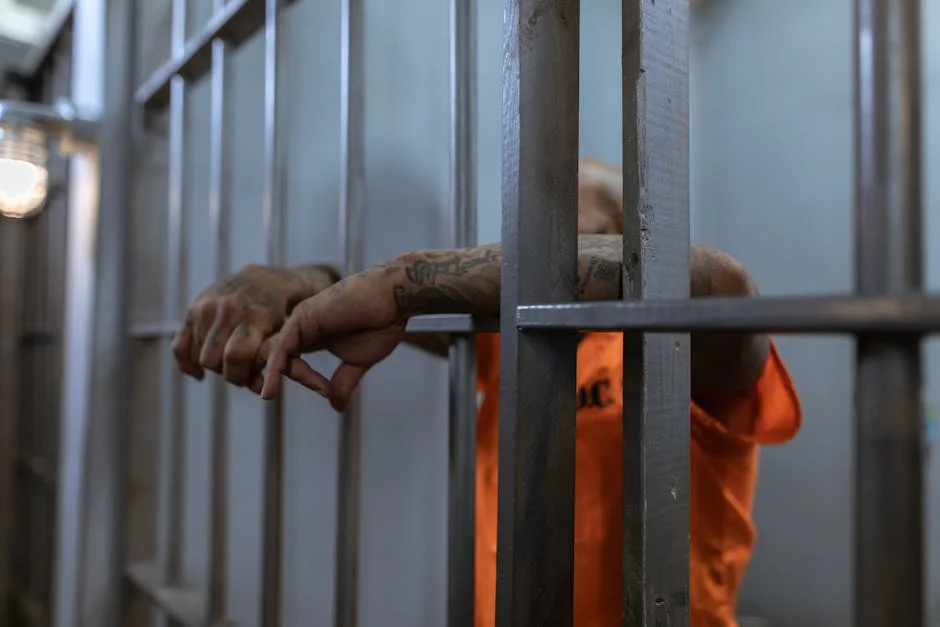
Mkhwanazi, 54, was charged with 14 counts of corruption, including misappropriation of public funds and accepting bribes. According to the NPA, the allegations stem from an investigation into the misuse of a government procurement contract worth R25 million (approximately $1.5 million). The charges also include conspiracy to commit fraud and acting in a manner that undermines public trust in the EMPD. The court has ruled that Mkhwanazi must remain in custody until his bail hearing, citing concerns over potential flight risk and witness tampering.
The prosecution argues that Mkhwanazi, who has been with the EMPD since 2015, abused his position to facilitate payments to private contractors without proper oversight. The NPA claims that the funds were diverted to shell companies linked to individuals with close ties to the accused. Mkhwanazi's legal team has not yet made a public statement, but sources close to the case suggest they may challenge the bail conditions, citing lack of sufficient evidence.
Political and Public Reaction
The case has drawn sharp criticism from opposition parties and civil society groups, who argue that Mkhwanazi’s arrest is a rare instance of accountability in a country where high-level corruption has long gone unchecked. The African National Congress (ANC), which holds power in South Africa, has called for transparency in the investigation, though it has not directly commented on Mkhwanazi’s case. Some analysts say the case could impact public confidence in the government’s ability to tackle corruption, especially with the upcoming 2024 national elections.
Public sentiment has been divided. While many citizens support the prosecution of high-profile officials, others question whether the case is politically motivated. The South African Police Service (SAPS) has reiterated its commitment to impartial investigations, but critics say the EMPD has historically been slow to act on cases involving senior officials. The outcome of Mkhwanazi’s bail hearing could influence how the public perceives the integrity of South Africa’s law enforcement agencies.
Context and Broader Implications
Mkhwanazi’s case is part of a broader wave of anti-corruption efforts in South Africa, which has struggled with graft for decades. The country ranks 77th out of 180 in the Corruption Perceptions Index, according to Transparency International. The NPA has been under pressure to demonstrate progress in its fight against corruption, especially after the resignation of former National Director of Public Prosecutions, Shamila Batohi, in 2022. Mkhwanazi’s arrest is seen by some as a test of the NPA’s independence and its ability to pursue cases against powerful figures.
Internationally, the case has drawn attention from human rights organisations and foreign governments. The United States, which has funded anti-corruption initiatives in South Africa, has called for a fair and transparent legal process. However, the case also raises questions about the effectiveness of foreign aid in curbing corruption, particularly when local institutions are under pressure from political interests.
What to Watch Next
The court’s decision on Mkhwanazi’s bail will be a key moment in the case. If granted, it could allow him to continue working at the EMPD, raising concerns about the integrity of ongoing investigations. If denied, it may signal a stronger stance from the judiciary against corruption. The NPA has also announced plans to review other high-profile cases involving officials, with a focus on those linked to the 2016 Zondo Commission, which investigated state capture.
Public interest in the case is expected to grow in the coming weeks, with media outlets and civil society groups closely monitoring developments. The outcome of the bail hearing could set a precedent for how similar cases are handled in the future, particularly in a country where high-level corruption remains a major challenge.
As the legal process unfolds, the case highlights the ongoing struggle to balance accountability with the risks of political interference in South Africa’s justice system. The next few weeks will be critical in determining whether the NPA can deliver a fair and transparent outcome, or whether the case will become another symbol of the country’s complex relationship with corruption.
See Also
- Portugal Reports Higher Fetal and Infant Deaths in 2024 - What It Means for the Country's Health Sector
- Pope Performs Foot-Washing Ritual in Historic Tradition
What to Watch Next The court’s decision on Mkhwanazi’s bail will be a key moment in the case. If granted, it could allow him to continue working at the EMPD, raising concerns about the integrity of ongoing investigations.
What is the latest news about julius mkhwanazis bail hearing set for thursday amid corruption probe?
Why does this matter for economy-business?
What are the key facts about julius mkhwanazis bail hearing set for thursday amid corruption probe?