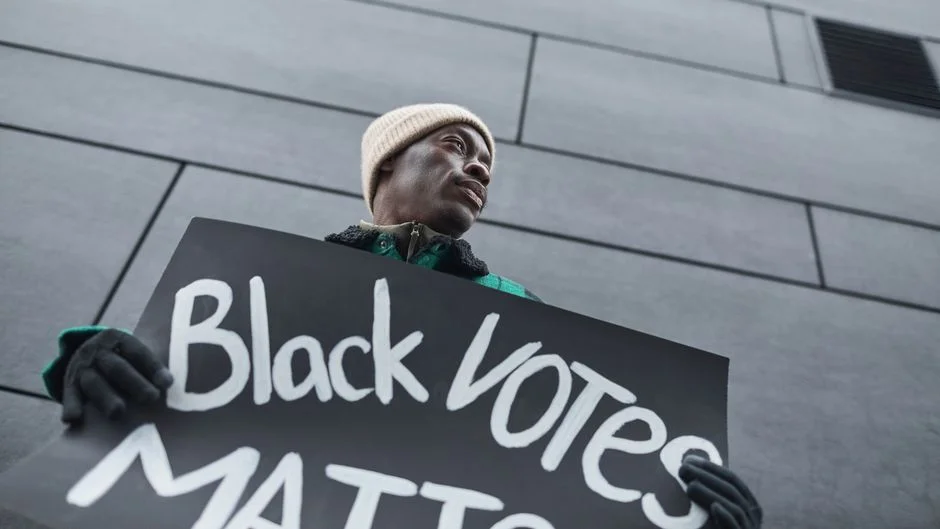
The Zimbabwe Congress of Trade Unions has accused South Africa of enabling a migration crisis by maintaining what it calls a dangerously soft diplomatic stance toward Harare. The criticism, delivered in a statement carried by New Zimbabwe, comes as thousands of Zimbabweans continue crossing the border each month seeking employment and economic stability in Africa's most industrialised economy.
Union Demands Tougher Action Against Harare
The ZCTU, Zimbabwe's largest labour confederation, said South Africa's quiet diplomacy with President Emmerson Mnangagwa's government has failed to pressure authorities into addressing the root causes of mass emigration. Union officials argue that without meaningful consequences, Harare has little incentive to implement reforms that would keep workers at home. The statement singled out South Africa's reluctance to publicly criticise Zimbabwe's human rights record and economic management as a key factor perpetuating the exodus.
Border Crossings Show Scale of the Crisis
Official data from Zimbabwe's Central Statistical Office indicates that approximately 3,000 citizens obtain passports for work abroad every week, with South Africa receiving the overwhelming majority. The Musina border post in Limpopo province has become one of Africa's busiest crossing points, processing thousands of travellers daily. Local authorities in Johannesburg have repeatedly warned that informal settlements around the city are swelling with Zimbabwean migrants who arrive without legal work permits.
Economic Drivers Behind the Exodus
Zimbabwe's formal economy has contracted sharply, with unemployment exceeding 80 percent according to the Zimbabwe National Statistics Agency. Currency instability and hyperinflation that peaked in 2008 have returned in more muted form, eroding salaries for teachers, nurses, and civil servants. Teachers and nurses have organised their own strikes this year over pay that often amounts to less than $100 per month in real terms. The ZCTU contends that South Africa's approach has essentially legitimised a government that cannot or will not pay its own workforce a living wage.
South Africa's Diplomatic Position Faces Scrutiny

South Africa's government has historically refused to impose sanctions on Zimbabwe, maintaining that engagement produces better results than isolation. This approach contrasts sharply with Western nations that have imposed targeted measures against Mnangagwa and senior officials. South African officials have declined to comment on the ZCTU statement, but diplomats in Pretoria have privately acknowledged the tension between humanitarian concerns and geopolitical strategy. The African Union has also resisted calls to apply pressure on Harare, preferring diplomatic channels.
Impact on South African Communities
Municipalities in Gauteng province report that public services are straining under demand from undocumented migrants. Schools in Alexandra and Tembisa have seen enrollment surge, while clinic waiting times have doubled in some areas. Business owners in the informal sector say Zimbabwean arrivals have both filled labour shortages and intensified competition for street vending spots. Community leaders in Cosmo City have called on the national government to address what they describe as an uncontrolled flow of migrants that local authorities cannot manage.
Harare Defends Its Record
Zimbabwe's Ministry of Foreign Affairs rejected the characterisation of its policies, pointing to recent measures to attract foreign investment and stabilise the local currency. Government spokesperson Geoff Nyakutemba said Zimbabweans choosing to work abroad do so for individual reasons unrelated to diplomatic relations between nations. He accused external critics of attempting to destabilise the country ahead of scheduled elections. The Mnangagwa administration has consistently claimed economic reforms are bearing fruit, though independent analysts dispute these assertions.
What Comes Next
The ZCTU has called on South Africa's labour movement to press Pretoria to condition any diplomatic support for Harare on measurable improvements in workers' rights and wages. The union plans to raise the issue at the upcoming Southern African Development Community trade union forum scheduled for November in Namibia. Labour advocates on both sides of the border say the coming months will test whether South Africa adjusts its approach or maintains the status quo that critics say rewards bad governance at the expense of ordinary Zimbabweans who feel they have no choice but to leave.
See Also
- Davido Halts Music Tour to Back Adeleke’s Osun Re-election Bid
- Congress Stages Protest at ITC Factory Over Tobacco Price Crash
South African officials have declined to comment on the ZCTU statement, but diplomats in Pretoria have privately acknowledged the tension between humanitarian concerns and geopolitical strategy. The African Union has also resisted calls to apply pressure on Harare, preferring diplomatic channels.Impact on South African CommunitiesMunicipalities in Gauteng province report that public services are straining under demand from undocumented migrants.