Ghana's Parliament approved a sweeping anti-LGBTQ law on Tuesday, imposing severe penalties on individuals engaged in same-sex relationships and related activities. The legislation, titled the "Promotion of Proper Human Sexual Rights and Ghanaian Family Values Bill," aims to outlaw homosexuality and promote traditional family values across the nation. The bill passed with a vote of 136 to 0, demonstrating significant parliamentary support despite growing domestic and international criticism.
Key Provisions of the Law
The new law introduces harsh penalties for individuals involved in same-sex relationships, including imprisonment for up to 10 years. It also includes provisions to penalise those who advocate for LGBTQ rights, making it illegal to promote or publicise any activities related to homosexuality. The Ghanaian government contends that this legislation is essential to uphold cultural values and protect traditional family structures.
Additionally, the law mandates "conversion therapy" practices aimed at changing an individual’s sexual orientation, raising serious human rights concerns. Critics argue that these measures could lead to increased violence and discrimination against LGBTQ individuals in Ghana.
Domestic and International Reactions
The approval of the law has sparked significant backlash from human rights organisations, both locally and globally. Amnesty International called the bill a “disgraceful attack” on human rights, while Human Rights Watch urged the Ghanaian government to abandon the legislation. Activists fear that the law will normalise hate and violence against the LGBTQ community.
In Ghana, LGBTQ activists have expressed fear for their lives and the lives of their loved ones amidst a worsening climate of intolerance. A representative from the Ghana LGBTQ+ Rights Organisation stated, "We are terrified of what this law means for our safety and our freedom to exist as we are. This is a dark day for human rights in Ghana."
Broader Implications for Africa
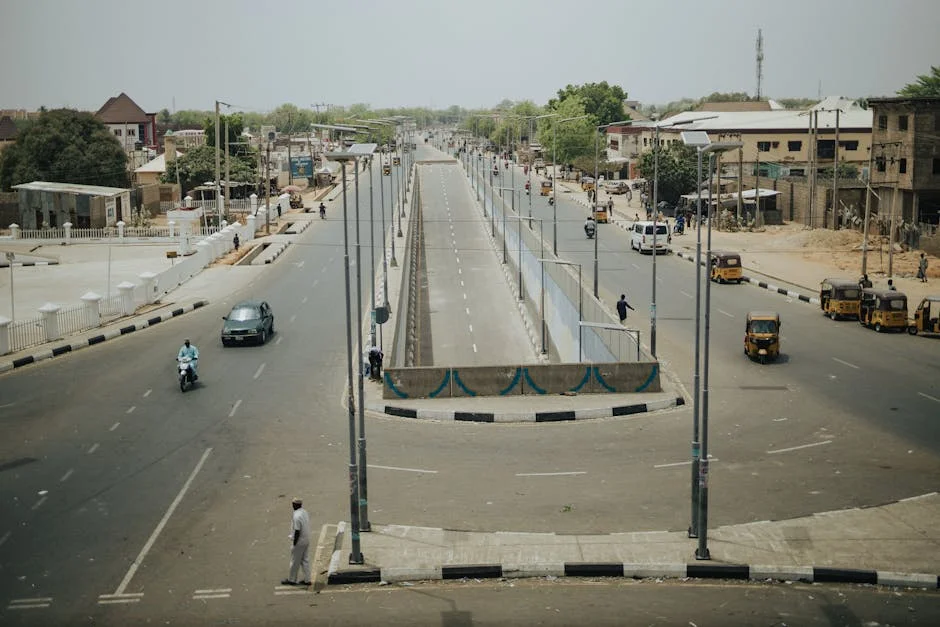

The move by Ghana highlights a broader trend across Africa, where many countries are enacting or enforcing laws that target LGBTQ individuals. Homosexuality remains illegal in more than 30 African nations, and the continent has seen a rise in anti-LGBTQ sentiment in recent years.
This legislation may also complicate international relations for Ghana, particularly with Western nations that have increasingly linked aid and trade agreements to a country's human rights record. As nations evaluate their diplomatic ties, Ghana's new stance could lead to potential sanctions or loss of foreign support.
Ghana’s Political Landscape
The ruling New Patriotic Party (NPP) has long aligned itself with conservative values, appealing to a significant segment of the Ghanaian populace. President Nana Akufo-Addo has faced pressure from religious groups to support the anti-LGBTQ measures, contributing to the bill's swift passage through Parliament.
Critics point to the political motivations behind the legislation, suggesting that it serves as a distraction from pressing issues such as economic challenges, high unemployment rates, and corruption. This escalation of anti-LGBTQ sentiment may reflect an attempt to unite certain voter bases amid political uncertainty.
What Comes Next?
As the law now awaits the President's signature to be enacted officially, human rights advocates are mobilising to mount a final effort against its implementation. A coalition of NGOs and international bodies is expected to intensify their lobbying efforts both within and outside Ghana, aiming to convince lawmakers to reconsider the bill.
What remains to be seen is how the international community will respond to Ghana's actions in the coming months. There are calls for coordinated responses, including potential aid cuts or diplomatic protests, which could impact Ghana's economy and global standing.
See Also
- FCC Chair Threatens to Revoke Licenses Over War Coverage - Iran's Media Battle Heats Up
- Dave Mitchell Challenges Heart FM’s Local Reach in Oxford
This is a dark day for human rights in Ghana."Broader Implications for AfricaThe move by Ghana highlights a broader trend across Africa, where many countries are enacting or enforcing laws that target LGBTQ individuals. President Nana Akufo-Addo has faced pressure from religious groups to support the anti-LGBTQ measures, contributing to the bill's swift passage through Parliament.Critics point to the political motivations behind the legislation, suggesting that it serves as a distraction from pressing issues such as economic challenges, high unemployment rates, and corruption.