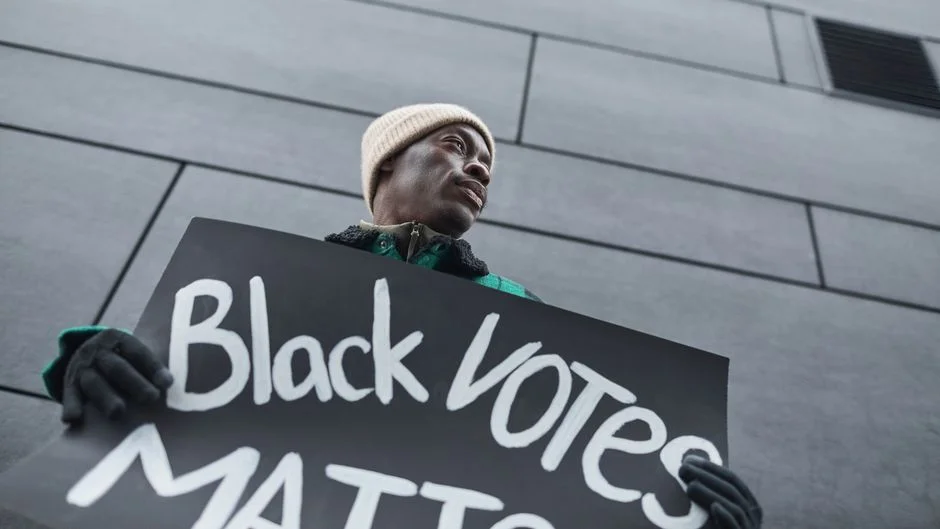
South Africa's ruling African National Congress (ANC) has formally endorsed a more aggressive approach to managing the country’s migration crisis, according to Minister of Sports, Arts and Culture Fikile Mbalula. The political shift signals a potential hardening of policy toward undocumented migrants, aiming to address growing domestic pressure regarding economic competition and public service strain. This development comes as the nation grapples with one of the most complex demographic challenges on the continent, balancing human rights obligations with electoral promises.
The endorsement reflects a strategic calculation by the ANC to retain working-class voters who increasingly blame foreign nationals for high unemployment rates. Mbalula’s comments have sparked immediate debate across party lines, with opposition groups questioning the consistency of the ruling party’s long-held pro-migration rhetoric. The political stakes are high, as the ANC seeks to consolidate its base ahead of upcoming local and general elections.
Political Strategy Behind the Shift

Fikile Mbalula announced the stance during a series of recent addresses aimed at clarifying the ANC’s position on internal affairs. He argued that the status quo is unsustainable and that a firmer hand is needed to restore order and fairness for South African citizens. The minister emphasized that the current system allows for significant exploitation of labor markets and public resources by a segment of the migrant population. His remarks were designed to reassure voters in urban centers like Johannesburg and Cape Town, where competition for jobs is fierce.
The ANC has historically been seen as a champion of Pan-Africanism, often welcoming migrants from neighboring countries. This new direction marks a subtle but distinct pivot toward economic nationalism. Political analysts note that the ruling party is trying to reclaim narrative control over the migration issue, which has been a strong point for the Democratic Alliance (DA) and the Economic Freedom Fighters (EFF). By adopting a tougher line, the ANC hopes to diminish the opposition’s ability to use migration as a wedge issue in future elections.
This strategic adjustment is not happening in a vacuum. The ANC’s support base has been eroding in key metropolitan areas, particularly in the Western Cape and parts of Gauteng. Voters in these regions cite service delivery failures and crime as primary concerns, often linking these problems to the influx of foreign nationals. The party leadership recognizes that without a credible plan to manage migration, they risk losing critical urban votes that have traditionally been ANC strongholds. Mbalula’s comments are part of a broader effort to project competence and decisiveness on this sensitive topic.
Economic Pressures Driving Policy Change
South Africa’s economy is currently under significant strain, with the national unemployment rate hovering around 33%. This macroeconomic reality creates a fertile ground for migration to become a political flashpoint. Many South African citizens perceive undocumented migrants as competitors for low-skilled jobs in sectors such as retail, construction, and hospitality. The perception of unfair competition fuels resentment, even if the actual economic impact is more nuanced. The ANC acknowledges this sentiment and is moving to address it directly through policy proposals.
The informal economy plays a massive role in South Africa’s labor market, employing millions of workers. In sectors like taxi services, street vending, and small-scale mining, undocumented migrants are heavily represented. This has led to tensions with local workers who feel their livelihoods are being squeezed. The government faces the challenge of regulating these sectors without stifling economic activity or triggering social unrest. Mbalula’s push for a tougher stance suggests that regulatory crackdowns may be on the horizon, potentially affecting thousands of businesses and workers.
Business leaders have expressed mixed reactions to the proposed changes. Some welcome the prospect of a more structured migration system that ensures fair competition, while others fear that abrupt policy shifts could disrupt supply chains and labor availability. The Confederation of South African Industry (COSATO) has called for a balanced approach that protects both local workers and the broader economy. The debate highlights the complexity of managing migration in an economy that is still emerging from the pandemic’s aftermath. Any new policy must navigate these competing interests to avoid triggering inflation or reducing productivity.
Regional Dynamics and Labor Markets
The migration flow into South Africa is primarily from neighboring countries such as Mozambique, Lesotho, and Zimbabwe. These nations face their own economic challenges, pushing citizens to seek better opportunities across the borders. The proximity of these countries makes South Africa a natural destination for labor migration. However, the scale of the influx has outpaced the capacity of South Africa’s institutions to manage it effectively. This regional dynamic adds another layer of complexity to the policy debate, as diplomatic relations with neighbors must be carefully managed.
South Africa’s diplomatic ties with Mozambique and Zimbabwe are crucial for regional stability and trade. A harsh crackdown on migrants from these countries could strain these relationships and impact broader economic integration efforts. The government must balance domestic political pressures with the need to maintain good standing in the Southern African Development Community (SADC). Mbalula’s comments suggest that the ANC is aware of these diplomatic risks but believes that domestic stability takes precedence. The challenge will be implementing a tough stance without causing a diplomatic rift that could harm South Africa’s regional influence.
Legal and Bureaucratic Hurdles


Implementing a tougher stance on illegal foreigners requires more than just political will; it demands robust legal and bureaucratic mechanisms. South Africa’s Department of Home Affairs has long been criticized for inefficiencies, backlogs, and corruption. These institutional weaknesses have allowed many undocumented migrants to remain in the country for years without facing deportation or regularization. Strengthening the enforcement capacity of Home Affairs is essential for any new policy to succeed. Without adequate staffing, technology, and funding, even the strictest laws may remain largely symbolic.
Legal experts have raised concerns about the potential for human rights violations if the crackdown is not carefully managed. The South African Constitution guarantees certain rights to all people within its borders, regardless of their citizenship status. A rushed implementation could lead to arbitrary arrests, prolonged detentions, and challenges in the Constitutional Court. The government must ensure that any new measures are legally sound and respect due process. This requires close coordination between the judiciary, the executive, and civil society organizations. Failure to do so could result in costly legal battles and damage to South Africa’s international reputation.
The role of civil society organizations will be critical in monitoring the implementation of new migration policies. Groups like the South African Human Rights Commission (SAHRC) and various non-governmental organizations (NGOs) have been active in advocating for migrant rights. These groups are likely to scrutinize the ANC’s new stance and hold the government accountable for any inconsistencies or abuses. The interaction between the state and civil society will shape the actual experience of migrants under the new policy. A collaborative approach could lead to more sustainable solutions, while a confrontational one could exacerbate tensions on the ground.
Public Sentiment and Social Cohesion
Public opinion on migration in South Africa is deeply divided. While some citizens view migrants as essential contributors to the economy, others see them as a drain on resources and a source of social tension. This division is evident in local community meetings, social media debates, and election campaigns. The ANC’s decision to back a tougher stance reflects the growing influence of the latter group. However, it also risks alienating more cosmopolitan voters who value diversity and open borders. The party must navigate this social landscape carefully to avoid deepening existing fault lines.
Social cohesion is a key concern for South African policymakers. The country has made significant strides in healing the wounds of apartheid, but new divisions are emerging along lines of citizenship and class. A harsh migration policy could exacerbate these divisions and lead to sporadic outbreaks of xenophobic violence, as seen in previous years. The government must invest in public communication and community engagement to manage expectations and reduce tensions. Mbalula’s comments need to be part of a broader narrative that emphasizes fairness and order, rather than just exclusion. This requires a nuanced approach that acknowledges the contributions of migrants while addressing the legitimate concerns of citizens.
The media plays a significant role in shaping public perception of migration. Headlines often focus on crime and economic competition, which can skew public opinion toward a more negative view of foreigners. The ANC’s new stance could influence media coverage, leading to a more critical examination of migration issues. However, the media also has the power to highlight the complexities of the situation and promote a more balanced understanding. The interaction between political rhetoric and media narrative will shape how the public perceives the effectiveness of the new policy. A well-managed communication strategy could help mitigate potential backlash and foster greater social acceptance.
Future Legislative Steps and Monitoring
The ANC’s endorsement of Mbalula’s stance is just the beginning of a longer legislative process. The Department of Home Affairs is expected to draft new regulations and propose amendments to existing migration laws. These proposals will need to go through parliamentary scrutiny and public consultation before becoming law. The timeline for implementation is uncertain, but the government has signaled that it wants to act quickly to address voter concerns. The coming months will be critical in determining the specific details of the new policy and its potential impact on millions of migrants.
Observers will be watching closely to see how the new policy is implemented in practice. The effectiveness of the crackdown will depend on the capacity of the Department of Home Affairs, the cooperation of other government departments, and the response of civil society. There are risks of both overreach and under-enforcement, which could undermine public confidence in the government’s ability to manage the crisis. The ANC will need to demonstrate tangible results to justify its political gamble. This requires a clear set of metrics and regular reporting on the outcomes of the new measures. The political and social landscape in South Africa will continue to evolve as the migration debate intensifies.
The next major test for the ANC’s migration policy will come during the upcoming municipal elections, where local service delivery and job creation are key issues. Voters will look for concrete evidence that the new stance is delivering results. The government must be prepared to adjust its approach based on feedback and emerging data. The migration issue is not going away, and the decisions made now will have long-lasting implications for South Africa’s social fabric and economic trajectory. Stakeholders across the political spectrum should remain engaged and prepared to respond to the changing dynamics of this critical national conversation.
See Also
- Mamelodi Sundowns Seal Historic African Champions League Victory
- NASA Releases First Moon Fly-by Images Amid Earthrise Event
What is the latest news about anc backs mbalulas tough stance on south africas migration crisis?
Why does this matter for environment-nature?
What are the key facts about anc backs mbalulas tough stance on south africas migration crisis?