A short video posted to TikTok has captured the attention of millions worldwide, showing what appears to be a baboon operating a car door with startling precision. The clip, filmed somewhere in South Africa, shows the animal approaching a stationary vehicle and manipulating the door handle before climbing inside. The footage has accumulated more than 15 million views since it was uploaded last week, sparking debate about wildlife behaviour and urban adaptation.
The viral moment and what it shows
The 47-second video begins with the baboon standing beside a white sedan parked in what appears to be a residential area. The animal appears to study the door handle for several seconds before reaching up and pulling it with both hands. The door swings open, and the baboon immediately jumps onto the driver's seat, turning to face the camera with an expression that social media users have described as surprisingly human-like. The entire sequence unfolds without any signs of distress or hesitation on the animal's part.
Comments beneath the post have topped 80,000, with viewers divided on whether the behaviour was learned through observation or an instinctive response to accessing food sources commonly found inside vehicles. Some users posted clips of their own pets opening doors, while others raised concerns about the animal's welfare and the safety implications of wildlife becoming habituated to human environments.
Where this happened
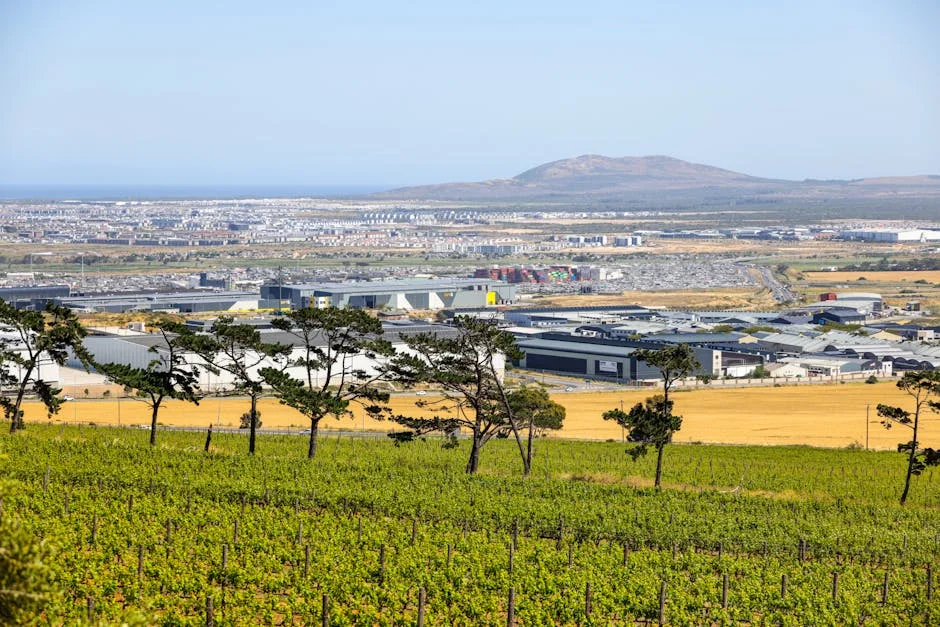
Local media outlets in South Africa identified the location as a suburb near Cape Town, a city known for its resident baboon populations that frequently venture into urban areas. The South African baboon, a subspecies of the Chacma baboon, has long adapted to life alongside human communities along the Cape coast. Townships and suburbs in that region have developed elaborate systems to manage the animals, including dedicated baboon monitors and fortified waste management infrastructure.
The Cape Town area hosts roughly 30 troops of baboons, comprising several hundred individuals in total. These groups have learned to navigate traffic, raid kitchens, and in some cases, operate basic mechanisms. The viral video adds to a growing catalogue of documented baboon intelligence in the region.
Why this matters


Wildlife researchers say the video offers a glimpse into the cognitive flexibility of baboons, which are among the most intelligent non-human primates on the African continent. Dr. Amanda Stevens, a primatologist at the University of Cape Town, told reporters the behaviour demonstrated a level of observational learning that scientists have studied for decades. "Baboons in urban environments are constantly solving new problems," she explained in comments reported by local media. "Opening a car door is just one example of how quickly they can adapt when food is at stake."
The incident also highlights the ongoing tension between human residents and baboon populations in South Africa's coastal regions. Farmers and householders have invested heavily in countermeasures, yet animals continue to find ways around barriers. The viral spread of the video has renewed calls from wildlife advocates for better public education about proper waste disposal and securing vehicle interiors.
The wider context of baboon intelligence
Chacma baboons have been documented using tools, solving multi-step puzzles, and transmitting new behaviours across generations. Research published in journals including Animal Behaviour and the Journal of Comparative Psychology has documented wild baboon troops learning to raid crops by watching each other, sharing information about which farms offer the richest rewards. The Cape Town baboons represent one of the most intensively studied wild primate populations in the world.
Wildlife management authorities in the Western Cape province maintain a network of baboon rangers whose job involves hazing animals away from residential areas and removing individuals that become too bold around humans. The rangers rotate assignments across different troops to prevent any single group from becoming dependent on specific food sources. The viral video may prompt authorities to review whether current deterrents remain adequate for vehicles as well as properties.
Social media reaction and what comes next
The clip has spawned countless memes, parody videos, and earnest discussions about animal consciousness. A secondary video, uploaded three days after the original, shows a different baboon at the same location attempting to open a car door in daylight, suggesting the behaviour may be spreading within the local troop. The original poster confirmed in a comment that the footage was captured on a mobile phone without any staged elements or food incentives used to attract the animal.
Conservation groups have used the moment to remind the public that baboons remain wild animals and should never be fed or provoked, regardless of how comfortable they appear around humans. The Baboon Technical Team, the intergovernmental body responsible for managing Cape Town's baboon populations, said it would review the footage to determine whether intervention was necessary for the individual animal involved.
What happens next will determine whether this was an isolated incident or the start of a new problem. The Baboon Technical Team has scheduled its next quarterly review for early next month, where managers will assess whether additional signage, vehicle barriers, or community outreach campaigns are needed. Until then, residents in the Cape Town area have been advised to keep car doors locked and avoid leaving food visible inside vehicles.
See Also
- SC Braga Targets Europa League Glory With Proven Tactics
- Tokyo Mall Spraying Incident Leaves 20 Injured in Ginza Chaos
"Opening a car door is just one example of how quickly they can adapt when food is at stake." The incident also highlights the ongoing tension between human residents and baboon populations in South Africa's coastal regions. A secondary video, uploaded three days after the original, shows a different baboon at the same location attempting to open a car door in daylight, suggesting the behaviour may be spreading within the local troop.