A massive crocodile has claimed the life of a prominent local businessman in Mpumalanga, sending shockwaves through the South African province. Gabriel Batista, a well-known figure in the regional business community, was reportedly eaten by the reptile during a routine visit to a water body near Nelspruit. The incident has reignited debates about wildlife management and public safety in areas where human and animal habitats increasingly overlap.
Details of the Fatal Encounter
The attack occurred during daylight hours, a time when crocodiles are often less aggressive than during their nocturnal hunting peaks. Witnesses reported seeing Batista near the water's edge, possibly inspecting property or enjoying the scenic view. Within moments, the "killer" crocodile emerged from the shallows, dragging the businessman into the water with surprising speed. The sheer size of the reptile suggested it was a mature male, likely weighing over 400 kilograms.
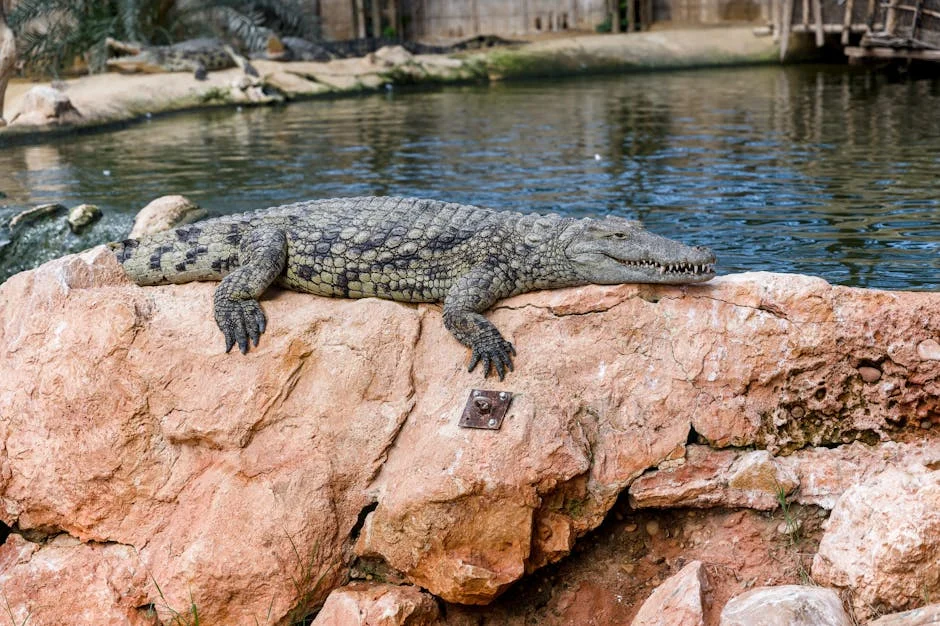
Local authorities confirmed that the body was recovered shortly after the incident. Preliminary examinations indicate that the crocodile struck with precision, targeting the legs before pulling Batista under. This method of attack is typical for large crocodiles, which use a "death roll" to disorient and tear apart their prey. The speed of the encounter left little time for bystanders to react effectively, highlighting the danger these animals pose even in seemingly calm environments.
Who Was Gabriel Batista?
Gabriel Batista was more than just a local resident; he was a respected entrepreneur whose ventures contributed significantly to the Mpumalanga economy. His business interests spanned several sectors, including retail and hospitality, making him a familiar face in Nelspruit's commercial district. Friends and colleagues described him as an energetic leader who was deeply involved in community development projects. His sudden death has left a void in both the business and social fabrics of the region.
The impact of Batista's loss extends beyond his immediate family. He was known for his philanthropy, often sponsoring local sports teams and educational initiatives. Community leaders have expressed their grief, noting that Batista was a unifying figure who bridged gaps between different demographic groups. His death serves as a stark reminder of the vulnerability of individuals living in close proximity to wild animals. The business community is now grappling with the immediate operational impacts of his absence.
Community Reaction and Tributes
Social media has been flooded with tributes from friends, family, and business associates. Many have shared personal anecdotes highlighting Batista's generosity and leadership qualities. Local businesses have lowered their flags to half-mast as a sign of respect. The outpouring of support demonstrates the deep connections Batista had forged within the Mpumalanga community. People are calling for a public memorial to honor his contributions to the region.
Religious leaders have also joined in the mourning, offering prayers and counsel to the grieving family. Churches in Nelspruit have organized special services to commemorate Batista's life. These gatherings provide a space for the community to come together and share their collective sorrow. The emotional weight of the loss is palpable, with many residents reflecting on the fragility of life in the bushveld.
Understanding the Killer Crocodile
Crocodiles in Mpumalanga are largely considered habituated to human presence, which can sometimes make them bolder. The specific crocodile involved in this attack has been identified by local wildlife experts as a known predator in the area. It has a history of venturing into popular swimming spots and fishing areas. This particular reptile has been monitored for several years, with its size and aggression levels noted by rangers. The decision to label it a "killer" reflects the frequency and severity of its encounters with humans.
Crocodile behavior is influenced by various factors, including seasonal changes, food availability, and territorial disputes. During the warmer months, these reptiles become more active, often basking on riverbanks and hunting near the water's edge. The presence of humans, especially those who enter the water without adequate caution, can trigger an attack. Experts emphasize that crocodiles are ambush predators, relying on surprise and speed to secure their meal. Understanding these behavioral patterns is crucial for minimizing risks.
Wildlife Management Challenges in Mpumalanga
The incident has exposed the complexities of managing wildlife in a province that is both a tourist hotspot and a residential area. Mpumalanga is home to numerous game reserves and national parks, but the boundaries between wild and urban spaces are often blurred. This proximity increases the likelihood of human-crocodile interactions. Local authorities face the difficult task of balancing conservation efforts with public safety. The presence of large predators near populated areas requires constant vigilance and effective communication strategies.
Current management strategies include regular patrols, signage, and community education campaigns. However, these measures are not always sufficient to prevent incidents. The crocodile population in certain water bodies has grown due to successful conservation efforts, leading to increased competition for space and food. This demographic shift has resulted in more aggressive behavior among some individuals. Authorities are now reviewing their approach to ensure that both humans and crocodiles can coexist with minimal conflict. The challenge lies in implementing practical solutions that do not disrupt the ecological balance.
Current Safety Measures and Gaps
Existing safety measures include warning signs at popular swimming spots and regular announcements by local radio stations. Rangers are deployed to monitor high-risk areas, especially during peak tourist seasons. However, critics argue that these efforts are often reactive rather than proactive. There is a need for more comprehensive data collection on crocodile movements and behavior. This information could help authorities predict high-risk periods and adjust their management strategies accordingly. Improved coordination between different government departments is also essential for a more effective response.
Community engagement plays a vital role in enhancing safety. Residents and tourists need to be educated about crocodile behavior and the importance of heeding warnings. Simple precautions, such as avoiding swimming at dusk and dawn and staying away from the water's edge, can significantly reduce the risk of an attack. Local schools and community centers are incorporating crocodile safety into their curricula to raise awareness among younger generations. These educational initiatives aim to foster a culture of caution and respect for wildlife.
Implications for the United States and Beyond
While the incident is localized to Mpumalanga, its implications extend to international tourists, including those from the United States. Many Americans travel to South Africa for its rich wildlife and scenic beauty. The death of Gabriel Batista serves as a cautionary tale for visitors who may underestimate the dangers of the bushveld. Understanding the local wildlife and adhering to safety guidelines are crucial for a safe and enjoyable experience. The incident highlights the importance of situational awareness when exploring natural environments.
For US-based investors and businesses with interests in the region, the stability of the local environment is a key factor. Wildlife incidents, while rare, can affect tourism revenue and property values. The efficient handling of such events by local authorities can influence investor confidence. Clear communication and effective management strategies demonstrate a well-organized and responsive local government. This, in turn, can attract more international attention and investment to the Mpumalanga region. The global perception of safety is an intangible but valuable asset.
What to Watch Next
Local authorities have announced that the killer crocodile has been temporarily relocated to a nearby game reserve to reduce immediate risks to the community. This decision is expected to be reviewed in the coming weeks, with input from wildlife experts and community leaders. The next step involves a comprehensive assessment of the crocodile's behavior and the effectiveness of the relocation strategy. Residents and tourists are advised to remain vigilant and follow updated safety guidelines. The situation will likely evolve as more data becomes available.
In the long term, Mpumalanga may need to consider more permanent solutions, such as creating designated swimming zones or implementing stricter fencing around high-risk areas. Public consultations are scheduled to gather feedback from stakeholders. These discussions will be critical in shaping future wildlife management policies. The community's response to this tragic event will play a significant role in determining the balance between conservation and safety. Keeping an eye on these developments will provide insights into how regions with high wildlife density manage human-animal coexistence.
See Also
- Bulls and Stormers Clash in URC Quarter-Finals — Key Match Details Revealed
- Rise Mzansi Flags R30 Million as DA Leads Political Funding Donations
The incident highlights the importance of situational awareness when exploring natural environments. See AlsoBulls and Stormers Clash in URC Quarter-Finals — Key Match Details RevealedRise Mzansi Flags R30 Million as DA Leads Political Funding Donations
What is the latest news about mpumalanga crocodile attack gabriel batista eaten in shocking incident?
Why does this matter for agriculture-food?
What are the key facts about mpumalanga crocodile attack gabriel batista eaten in shocking incident?