Police in Tokyo have confirmed that approximately twenty people were injured after a sudden spraying incident erupted inside a major shopping center in the bustling Ginza district. The chaotic event, which unfolded during peak evening hours, has sparked immediate questions about public safety measures in Japan’s most prestigious commercial hub. Authorities moved quickly to secure the area, but the sheer speed of the attack left many shoppers disoriented and seeking immediate medical attention.
This incident marks one of the most disruptive public safety events in Ginza in recent years, a district known for its relative calm and high foot traffic. For an area that sees millions of visitors annually, including a steady stream of American tourists, the disruption is more than just a local inconvenience. It highlights the ongoing challenges of securing open-plan commercial spaces against unpredictable threats. The response from local law enforcement and the subsequent flow of information will serve as a critical case study for urban safety planners across Asia and beyond.
Timeline of the Spraying Incident
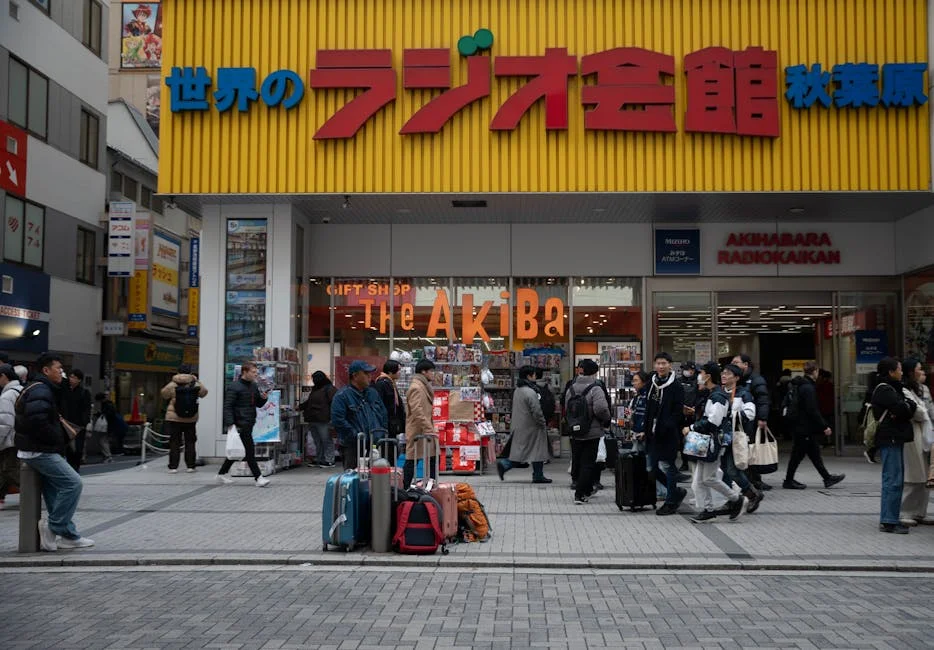
The sequence of events began just after 6:00 PM local time, when shoppers were settling into the evening rush. Witnesses reported hearing a sharp hiss followed by the scent of a chemical substance. Within minutes, panic spread through the lower levels of the complex. People began to push toward the exits, creating a bottleneck that exacerbated the initial shock of the attack.
The Tokyo Metropolitan Police Department confirmed that responders arrived on the scene within five minutes. They identified a single male suspect who had used a pressurized canister to spray a liquid onto the crowd. The suspect was apprehended near the north exit, preventing further escalation. The rapid containment of the situation helped prevent a potential stampede, which often proves deadlier than the initial trigger in crowded spaces.
The initial medical reports indicate that the injuries are primarily superficial, though the psychological impact is significant. Most of the twenty injured individuals suffered from mild irritation to the eyes and skin. However, the chaos of the evacuation led to several minor falls and bruises. No life-threatening conditions were reported in the first wave of admissions to local hospitals. This outcome reflects the generally high standard of emergency response in Japanese urban centers, where coordination between police, fire, and medical teams is tightly integrated.
Immediate Response and Evacuation
Evacuation protocols were activated almost instantly by the mall’s security team. Staff members directed crowds toward the nearest subway entrances, which are directly connected to the shopping complex. The proximity of the Ginza Station allowed for a relatively swift dispersal of the crowd into the wider district. This infrastructure advantage is a key factor in why major injury counts remained low.
Police cordoned off a three-block radius around the mall to allow for forensic analysis. Traffic in the heart of Ginza ground to a halt as emergency vehicles navigated the narrow streets. The visual of police tape and flashing lights in an area usually dominated by neon signs and luxury storefronts created a stark contrast. This visual disruption quickly spread through social media, drawing attention from international news outlets.
Why Ginza Safety Matters Globally
Ginza is not just a local market; it is a global benchmark for urban retail environments. The district attracts a diverse mix of international visitors, including a significant number of travelers from the United States. For American tourists, Ginza represents a blend of modern convenience and traditional hospitality. An incident of this scale disrupts that perception, prompting questions about how well-prepared these high-density areas are for non-linear threats.
The implications extend beyond immediate tourism numbers. International investors and brand managers watch such events closely to assess risk. A well-managed crisis can reinforce confidence in a location’s resilience. Conversely, a poorly handled incident can lead to prolonged hesitation among global brands looking to expand or consolidate their presence. The way Tokyo handles the aftermath will be scrutinized by city planners in New York, London, and Paris, who face similar challenges in their own flagship districts.
The specific nature of the threat—a spraying incident—raises questions about the type of substance used. Early reports suggest it was a non-lethal chemical, possibly a deterrent or an irritant. This detail is crucial for understanding the intent behind the attack. Was it a targeted protest, a personal grievance, or a test of the system? The answer will shape future security protocols not just in Tokyo, but in comparable global hubs. The fact that the suspect was caught quickly suggests that surveillance and rapid response mechanisms worked as intended.
Impact on Local Commerce and Tourism


The immediate economic impact on Ginza’s retailers is expected to be modest but noticeable. The evening rush is typically the highest revenue period for many stores. The disruption forced several businesses to close early or extend their hours to capture delayed customers. Some luxury boutiques reported a dip in foot traffic the following morning as shoppers waited for the dust to settle.
Tourism agencies have begun monitoring booking patterns for the coming weeks. While a single incident is unlikely to deter all visitors, it adds to the cumulative factors that travelers consider. Safety is a primary driver for international tourism, especially for families and groups. Any perception of instability can lead to subtle shifts in destination choice. However, Japan’s overall reputation for safety remains strong, which should help mitigate long-term damage.
Local business associations have issued statements expressing gratitude for the swift police action. They are also calling for a review of current security measures. This proactive stance aims to reassure both customers and investors. The willingness to adapt and improve is a key feature of the Japanese commercial landscape. It suggests that the incident will be treated as a learning opportunity rather than a catastrophic failure. This approach is likely to help restore confidence in the district’s ability to manage future disruptions.
Security Protocols Under Scrutiny
The incident has triggered a review of security protocols across major shopping centers in Tokyo. Many malls in Japan have historically relied on a mix of human security guards and CCTV cameras. The effectiveness of these measures is now being questioned. Experts are debating whether additional physical barriers or more frequent patrols are necessary in high-traffic areas.
The use of a spraying device suggests that the threat was somewhat improvised. This makes it harder to predict and counter. Traditional security measures often focus on bag checks and metal detectors, which may not stop a liquid-based attack. This gap in defense is a concern for other open-plan retail spaces. It highlights the need for more versatile security strategies that can handle a wider range of potential threats.
Police officials have stated that the suspect’s motive is still under investigation. This uncertainty adds a layer of complexity to the security review. Without a clear motive, it is difficult to tailor specific countermeasures. The review will likely focus on general readiness and response time. This broad approach ensures that the system can handle various types of incidents, not just the one that just occurred. The findings from this review will influence security standards for years to come.
Public Reaction and Media Coverage
Public reaction on social media has been a mix of shock and appreciation for the rapid response. Many users shared videos of the evacuation, highlighting the orderly nature of the crowd despite the chaos. This orderly behavior is a point of national pride and international interest. It contrasts with the panic often seen in similar incidents in other parts of the world.
Media coverage has focused on the speed of the police response and the condition of the injured. Japanese news outlets have provided detailed timelines and interviews with witnesses. International media has picked up the story, framing it within the broader context of global urban safety. The narrative is shifting from the initial shock to the systemic implications. This shift in focus helps the public understand the broader significance of the event. It moves the conversation beyond the immediate facts to the underlying structures that protect urban life.
The media has also played a role in managing public anxiety. By providing clear and consistent updates, authorities have prevented rumors from spreading. This transparency is crucial in maintaining public trust. It demonstrates the importance of communication in crisis management. The lesson here is that information is as important as physical security in maintaining order. This insight will be valuable for other cities looking to improve their crisis communication strategies.
Looking Ahead: Next Steps for Tokyo
Authorities have announced that a formal inquiry into the incident will begin next week. This inquiry will examine the sequence of events, the effectiveness of the response, and the motive of the suspect. The results are expected to be released within a month. This timeline allows for a thorough investigation without causing prolonged uncertainty for the public and businesses.
Shopping center operators are expected to announce new security measures in the coming days. These measures may include increased patrols, better signage, and enhanced surveillance. The specific details will depend on the findings of the inquiry. However, the general trend will be towards greater visibility and responsiveness. This proactive approach aims to reassure the public and prevent future incidents.
Residents and visitors are advised to remain aware of their surroundings. While the immediate threat has passed, the incident serves as a reminder of the unpredictability of urban life. The coming weeks will be critical in determining how the district adapts to this new reality. The response of Tokyo’s institutions will set a precedent for how other global cities handle similar challenges. The world is watching to see how this commercial hub emerges from the disruption.
See Also
- NYT Reveals Israel's Secret Eurovision Cash War Since 2018
- Kaizer Chiefs Pursue Fernando Da Cruz as New Head Coach After Disappointing Season
The willingness to adapt and improve is a key feature of the Japanese commercial landscape. It suggests that the incident will be treated as a learning opportunity rather than a catastrophic failure.