Typhoon Jangmi churned across the Philippine Sea on Monday, prompting Japanese authorities to issue emergency preparation orders as the storm tracked toward the country's southern regions. Meanwhile, a relentless heat wave continued to grip much of Europe, with Spain reporting dangerously high temperatures that have strained power grids and health services.
Typhoon Jangmi Takes Aim at Japan
The storm, currently classified as a typhoon, was located over the Philippine Sea as of Monday, according to regional weather tracking data. The system is expected to approach the Ryukyu Islands and southern Japan within the coming days, bringing heavy rainfall, damaging winds, and dangerous storm surges to coastal communities. Japan's weather agency has been monitoring the typhoon's path with increasing concern, noting that the storm has shown signs of intensification over warm ocean waters.
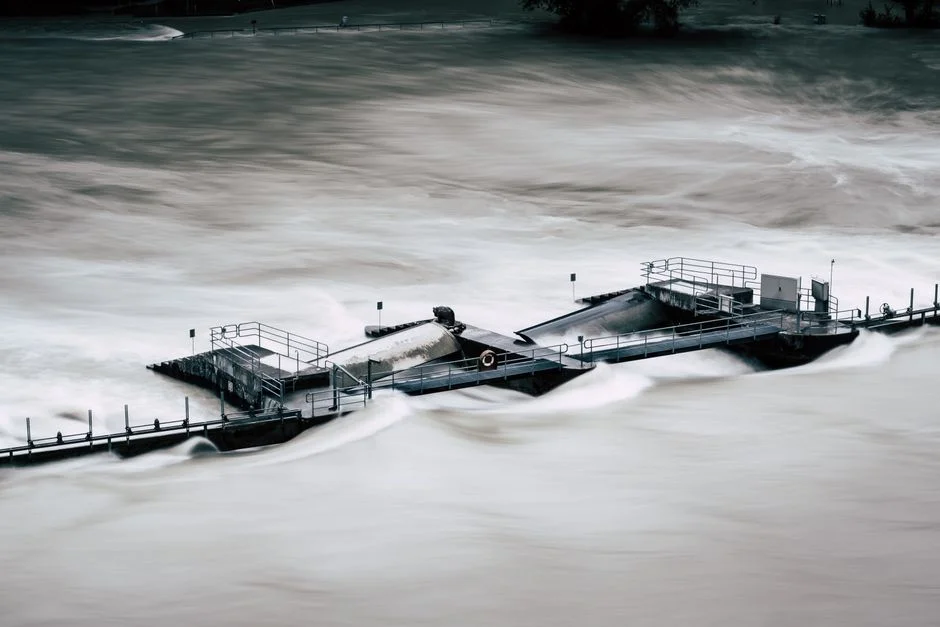
Local authorities in Okinawa Prefecture began coordinating evacuation shelters and securing infrastructure ahead of the typhoon's anticipated arrival. Emergency management officials have urged residents in low-lying areas to complete preparations immediately, warning that conditions could deteriorate rapidly once the storm system makes landfall.
Europe's Heat Emergency Widens
The extreme heat affecting Europe shows no signs of abating. Spain has recorded multiple days of soaring temperatures, with some regions experiencing conditions that have triggered health warnings for vulnerable populations. The Spanish meteorological agency has maintained red-level alerts across several provinces, recommending that residents avoid outdoor activities during peak afternoon hours.
The heat wave has pushed power demand to record levels as households and businesses crank up air conditioning units. Grid operators across the Iberian Peninsula have reported strain on electricity infrastructure, prompting calls for conservation measures. France, Portugal, and parts of central Europe have also faced elevated temperatures, though conditions in Spain remain among the most severe on the continent.
Health Systems Under Pressure
Hospital admissions for heat-related illness have risen sharply across southern Europe. Spanish health authorities have deployed additional medical teams to tourist-heavy coastal areas, where many visitors are unfamiliar with the dangers of prolonged heat exposure. Elderly residents living alone have been identified as a particularly vulnerable group, and local governments have launched outreach programs to check on aging populations.
Agriculture in the region has also suffered, with crop yields expected to decline significantly in areas that have received little rainfall over the past several weeks. Farmers in Andalusia have reported that irrigation reserves are running low, raising concerns about food production through the remainder of the growing season.
Climate Patterns Drive Extreme Weather
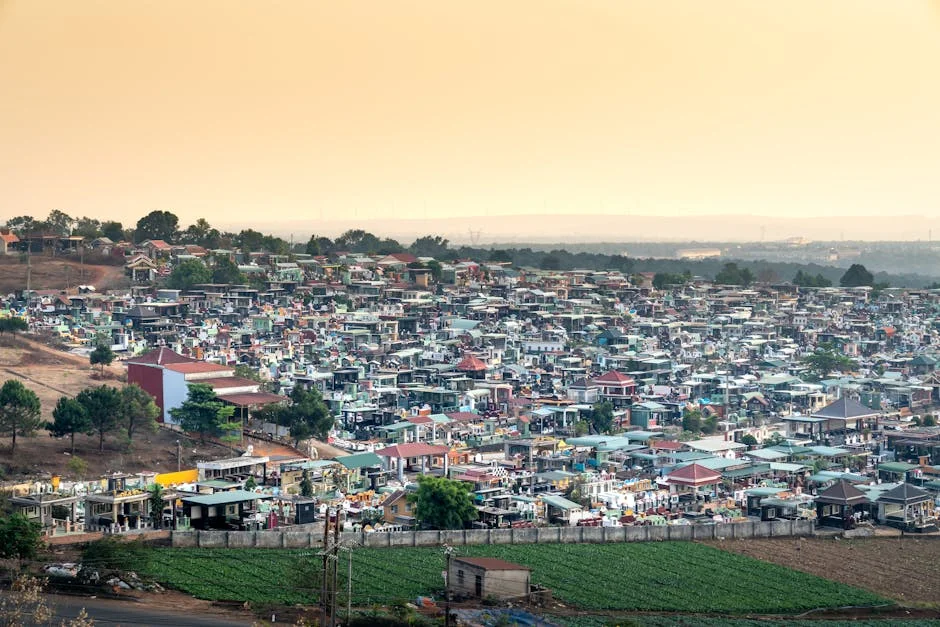

The convergence of a Pacific typhoon and a European heat wave reflects broader patterns that scientists have linked to climate change. Warmer ocean temperatures provide more energy for tropical cyclones, often strengthening them more rapidly than in past decades. Simultaneously, altered atmospheric circulation patterns have allowed heat to persist over continental Europe for extended periods, breaking historical records with increasing frequency.
Meteorologists note that while individual weather events cannot be attributed solely to climate change, the frequency and intensity of such extremes align with projections from climate models. The dual occurrence of a typhoon in the western Pacific and an extended heat wave in Europe underscores how weather systems across hemispheres can reflect underlying global conditions.
Preparations and Response Efforts
In Japan, self-defense force units have been placed on standby for potential disaster relief operations. The Japan Coast Guard has pre-positioned rescue vessels in likely impact zones. Utility companies have mobilized crews to restore power quickly after the storm passes, a routine measure that has proven essential in previous typhoon seasons.
European governments have activated similar response mechanisms for the heat emergency. Spain's health ministry has coordinated with regional authorities to ensure hospitals remain adequately staffed and supplied. Cooling centers have opened in major cities, providing air-conditioned spaces for residents without reliable home cooling systems.
What to Watch in the Coming Days
Typhoon Jangmi is expected to make its closest approach to Japan's main islands by midweek, though the precise timing and intensity of landfall remain uncertain. Residents along the southern coast should monitor updates from Japan's Meteorological Agency and heed any evacuation orders promptly. The storm's interaction with mountainous terrain could trigger flash flooding and landslides even after the strongest winds have passed.
In Europe, forecasts suggest the heat wave may persist for another seven to ten days before a potential break arrives. Energy markets will remain volatile as demand for cooling continues to strain supply chains. Public health officials are urging continued vigilance, particularly for outdoor workers and those without access to air conditioning.
See Also
- Magic WKND Confirms Kick-Off Times for GB Event
- Astros Face Orioles in Crucial Series Opener — Playoff Implications Loom
What is the latest news about japan orders emergency preparations as typhoon jangmi barrels toward the coast?
Why does this matter for economy-business?
What are the key facts about japan orders emergency preparations as typhoon jangmi barrels toward the coast?