Punjab Chief Minister Bhagwant Singh Mann announced on Tuesday that Dalit women will receive Rs 1,500 per month starting from July, while other groups will get Rs 1,000. The decision, made during a government meeting, aims to address economic disparities and support historically marginalised communities. The move highlights the state's ongoing efforts to improve social welfare and reduce inequality.
Policy Details and Implementation
The new allowance is part of a broader welfare initiative by the Punjab government. Dalit women, who have long faced systemic discrimination, will be the primary beneficiaries of the Rs 1,500 monthly aid. Other categories, including Scheduled Castes and Other Backward Classes, will receive Rs 1,000. The policy is set to take effect from July 1, with the first payments expected by mid-month.
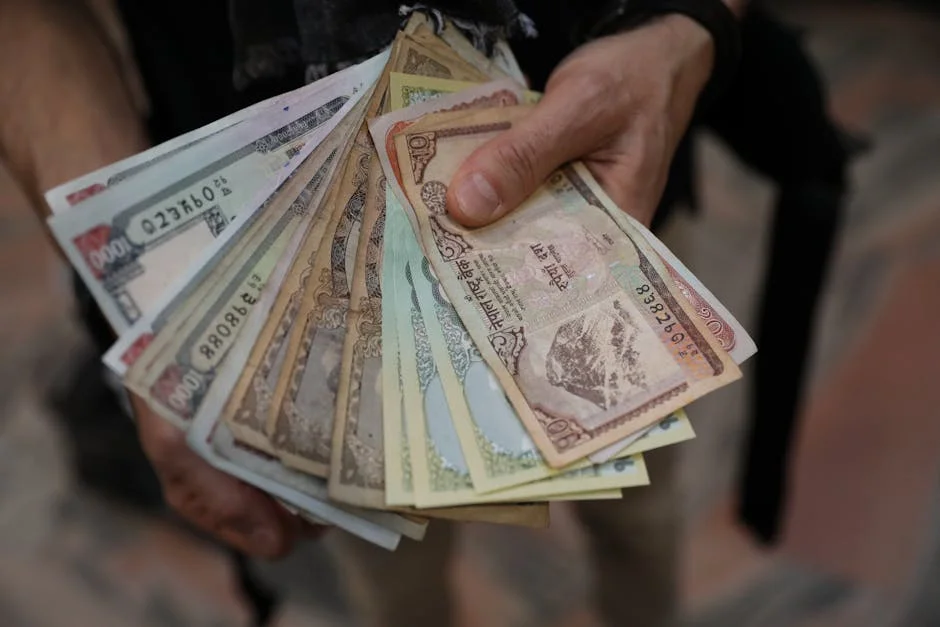
The Department of Social Welfare has been tasked with implementing the scheme. Officials said the payments will be made through direct bank transfers to ensure transparency and prevent corruption. The state government also plans to conduct awareness campaigns in rural areas to inform eligible beneficiaries about the process. This approach reflects a growing emphasis on digital inclusion and efficient governance.
Context and Social Significance
Punjab has a long history of caste-based discrimination, particularly against Dalits. Despite legal protections, many Dalit communities continue to face economic and social challenges. The new allowance is seen as a step toward addressing these inequalities, though critics argue that more comprehensive reforms are needed.
Activists have welcomed the decision, calling it a positive move. However, they caution that the impact will depend on how effectively the policy is implemented. "This is a good start, but we need to ensure that the funds reach the intended beneficiaries without delays or mismanagement," said Ravi Kumar, a social worker in Ludhiana.
Political and Economic Implications


The policy reflects the ruling Congress party's focus on social justice and welfare. Bhagwant Singh Mann, who came to power in 2022, has prioritised policies that support underprivileged groups. The move is likely to bolster his support base among Dalit and other marginalised communities.
Economically, the policy could have a ripple effect. With an estimated 200,000 Dalit women in Punjab qualifying for the Rs 1,500 allowance, the state government will need to allocate significant funds. The budget for the scheme is yet to be disclosed, but officials have stated that the expenditure will be covered through existing welfare funds.
Public Reaction and Challenges
Public reaction to the policy has been mixed. While many Dalit women have expressed gratitude, some have raised concerns about the sustainability of the scheme. "We hope this is not just a temporary measure," said Meena Kaur, a Dalit woman from Amritsar. "We need long-term support to improve our living conditions."
Another challenge is the potential for bureaucratic delays. Previous welfare schemes in Punjab have faced issues with delayed payments and incomplete coverage. The government has promised to monitor the implementation closely, but whether this will be effective remains to be seen.
Looking Ahead
The success of the policy will depend on its execution and the government's commitment to long-term reforms. The first payments are expected by mid-July, and the government has set a deadline for full implementation by the end of the month. Activists and officials will be watching closely to ensure that the aid reaches those in need.
As the policy rolls out, it will be crucial to assess its impact on Dalit women and other marginalised groups. If implemented effectively, it could serve as a model for other states in India. However, without sustained investment and oversight, the scheme may fail to deliver lasting change.
See Also
- Eurogroup President Warns of Contraproducent Response to Crisis
- Madrid No Demands Militao's Return Amid Transfer Deadline Pressure
With an estimated 200,000 Dalit women in Punjab qualifying for the Rs 1,500 allowance, the state government will need to allocate significant funds. While many Dalit women have expressed gratitude, some have raised concerns about the sustainability of the scheme.