The Democratic Republic of the Congo has declared a state of health emergency as the Ebola virus surges through its eastern provinces, reigniting terror in a region that has long battled infectious diseases. Health officials in Goma, the bustling commercial hub of the North Kivu province, confirmed dozens of new cases within a single week, signaling a rapid transmission chain that threatens to overwhelm local clinics. The virus, known for its high mortality rate and often silent early stages, has moved from rural villages into dense urban centers, complicating containment efforts.
Outbreak Escalates in Urban Centers
The speed at which the virus has spread is alarming. In just ten days, the number of confirmed and probable cases has jumped significantly, according to the Ministry of Health. This rapid increase suggests that the virus is no longer confined to remote households but is circulating freely in markets and transport hubs. Goma, home to nearly two million people, is particularly vulnerable due to its high population density and constant flow of commuters from neighboring Rwanda and Uganda.

Local doctors report that patients are arriving at isolation centers later than usual, often after the initial incubation period has passed. This delay increases the likelihood of secondary infections among family members and healthcare workers. The situation is exacerbated by a lack of immediate access to rapid diagnostic tests in some outlying neighborhoods. Residents describe a palpable tension in the air, with many avoiding public transport and closing small businesses to limit exposure.
Why This Matters for Global Health
This outbreak is not just a regional crisis; it poses a direct challenge to global health security. The Democratic Republic of the Congo has faced at least seven Ebola outbreaks in the last three decades, making it one of the most experienced yet strained frontlines for the disease. However, the current strain, Zaire ebolavirus, remains highly contagious and deadly if not treated quickly. The World Health Organization (WHO) has warned that without immediate intervention, the virus could spill over into neighboring countries, creating a multi-national health emergency.
The implications extend beyond Africa. Air travel connects Goma to major international hubs like Paris, London, and New York within hours. A single infected traveler could introduce the virus to a new continent, potentially triggering travel bans and economic disruptions. Public health experts emphasize that the window to contain the outbreak is narrowing. Every day the virus circulates without a robust response increases the risk of a wider global spread.
Regional Spillover Risks
Neighboring countries are already on high alert. Rwanda and Uganda have strengthened border controls, implementing temperature checks and health declarations for all incoming travelers. The Great Lakes region is deeply interconnected, with daily cross-border trade in coffee, minerals, and textiles. Any prolonged disruption could strain diplomatic relations and economic stability. Health ministers from the three countries have held emergency meetings to coordinate surveillance and data sharing.
The economic impact could be severe. The mining sector, a key driver of the regional economy, relies on a steady workforce. If mines in the Colored Metals District of North Kivu begin to shut down due to worker absenteeism or infection clusters, the ripple effects will be felt in global supply chains for copper and cobalt. Investors are watching closely, with some analysts predicting a short-term volatility in metal prices.
The Role of Fear and Community Response

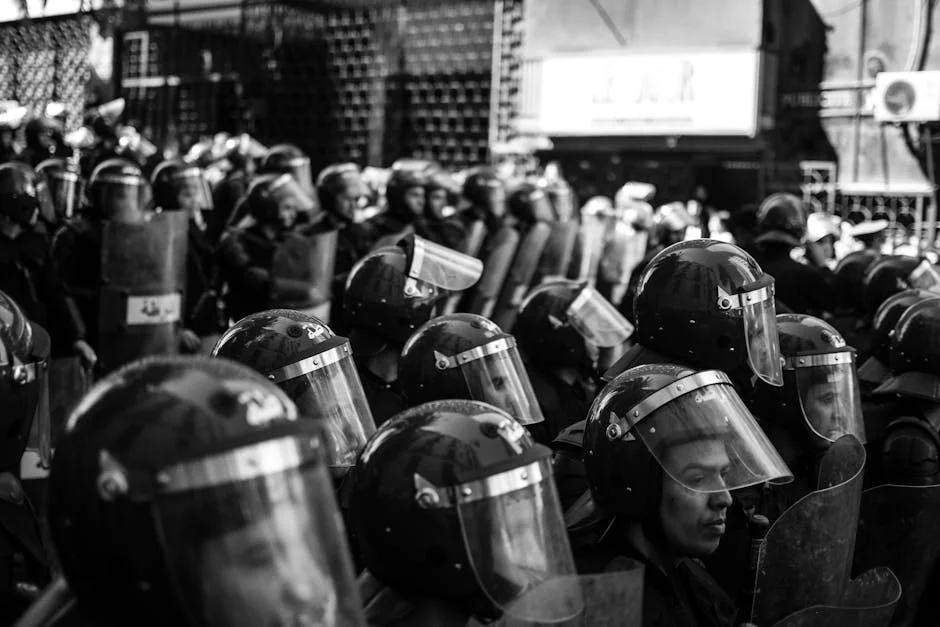
Fear is a powerful driver of behavior during an epidemic, and in the DRC, it is both a tool and a hurdle. Communities are more aware of Ebola symptoms than in previous years, thanks to sustained education campaigns. However, deep-seated mistrust of government authorities and foreign aid workers persists in some areas. This skepticism can lead to the hiding of sick relatives, burial in secret plots, and the rejection of contact tracers. Such actions directly undermine the scientific efforts to break the transmission chain.
Health workers are walking a fine line between enforcing strict protocols and maintaining community trust. They are using local radio stations, town hall meetings, and religious leaders to disseminate accurate information. The message is clear: Ebola is curable if detected early, but it is deadly if ignored. Community health volunteers, often dressed in bright yellow protective gear, are going door-to-door to measure temperatures and interview residents. Their presence is visible, but their effectiveness depends on how warmly they are received.
Challenges in Contact Tracing
Contact tracing is the backbone of any Ebola response. It involves identifying everyone who has come into close contact with an infected person, monitoring their temperature twice a day for 21 days, and isolating them if symptoms appear. In rural areas, this process is labor-intensive and relies heavily on foot travel. In urban settings like Goma, the scale of the task is daunting. A single bus driver could have dozens of contacts in a single shift, each needing to be tracked and monitored.
The technology available to aid in this process includes mobile phone data and digital mapping, but internet coverage is not uniform. Power outages are common, and mobile networks can become congested. Health officials are using a combination of high-tech apps and low-tech notebooks to ensure no contact is missed. The goal is to isolate contacts within 48 hours of the index case’s admission to an isolation center.
Medical Infrastructure Under Pressure
Hospitals in the North Kivu province are stretching their resources to the limit. Isolation centers have been set up in schools, churches, and temporary tents. These facilities are equipped with negative pressure rooms, which help to keep the virus contained within the patient’s immediate space. However, the supply of personal protective equipment (PPE) — masks, gowns, gloves, and boots — is critical. A shortage of any single item can compromise the safety of the entire medical team.
The medical staff working on the frontlines are displaying remarkable resilience. Many are returning from previous Ebola outbreaks, bringing with them a wealth of experience. They work long shifts, often under sweltering conditions, to administer intravenous fluids, monitor vital signs, and manage symptoms. The mortality rate in the DRC has improved over the years, dropping from nearly 80% in early outbreaks to around 60% in recent ones. This improvement is largely due to earlier diagnosis and better supportive care.
Supply Chain Logistics
Getting medical supplies to the frontlines is a logistical challenge. Roads in the Eastern DRC are often in poor condition, and security issues can delay shipments. The Ministry of Health is working with international partners to establish air bridges, flying in vaccines, blood products, and medications from Kinshasa and abroad. The new rVSV-EBOV vaccine, which has shown high efficacy in previous outbreaks, is being administered in a "ring vaccination" strategy. This involves vaccinating the contacts of known cases, and the contacts of those contacts, creating a protective "ring" around each infection cluster.
The vaccine supply is finite, and prioritizing who gets it first requires careful planning. Health officials are focusing on healthcare workers and household contacts of confirmed cases. The goal is to achieve herd immunity in the most affected areas. However, the vaccine is not immediately effective; it takes about 10 days for the body to build up full protection. This means that new infections can still occur during the initial vaccination phase.
International Aid and Funding
The international community has mobilized quickly to support the DRC’s response. The World Health Organization, UNICEF, and the Centers for Disease Control and Prevention (CDC) are all on the ground, providing technical expertise and financial resources. The International Committee of the Red Cross is managing several treatment centers and providing logistical support. Donor countries have pledged millions of dollars to fund the operation, but the actual disbursement of funds often lags behind the immediate needs on the ground.
The funding is being used to hire more health workers, purchase medical supplies, and improve laboratory testing capacity. The government has also launched a communication campaign to keep the public informed and engaged. Transparency is key to maintaining public support for the response efforts. Regular press briefings and social media updates help to reduce rumors and misinformation. The message from health leaders is one of cautious optimism: the outbreak is serious, but it is manageable if the world acts together.
What Comes Next
The next three weeks will be critical in determining the trajectory of the outbreak. Health officials are monitoring the basic reproduction number (R0), which indicates how many people one infected person will pass the virus to. If this number can be brought below one, the outbreak will begin to shrink. This requires sustained effort in contact tracing, isolation, and community engagement. The government has set a target to contain the outbreak within 42 days, which is the equivalent of two incubation periods.
Residents of Goma and the surrounding regions should remain vigilant. They should wash their hands frequently, avoid touching surfaces in public places, and seek medical attention if they develop a fever, vomiting, or diarrhea. The health ministry has set up a dedicated hotline for reporting suspected cases. International travelers are advised to monitor travel advisories and consider vaccination if they are planning to visit the Eastern DRC. The situation remains fluid, and the response will continue to evolve as new data becomes available. Watch for updates on vaccine rollout and border control measures in the coming weeks.
See Also
- Morocco Pushes Tourism in Western Sahara to Cement Sovereignty Claim
- India's Fertiliser Supplies Under Strain as War Disrupts Shipments
However, the supply of personal protective equipment (PPE) — masks, gowns, gloves, and boots — is critical. The World Health Organization, UNICEF, and the Centers for Disease Control and Prevention (CDC) are all on the ground, providing technical expertise and financial resources.
What is the latest news about dr congo slams into ebola emergency as fear paralyzes eastern cities?
Why does this matter for politics-governance?
What are the key facts about dr congo slams into ebola emergency as fear paralyzes eastern cities?