South Africa faces a strict deadline in November to prepare its next submission in the genocide case the nation filed against Israel at the International Court of Justice, with a formal response required by 2027, The Presidency confirmed on Thursday.
The Clock Starts on Pretoria's Legal Response
The International Court of Justice, headquartered in The Hague, has given South Africa until November to deliver its written pleadings responding to Israel's defense. The court will then set a final date in 2027 for Pretoria's formal reply, a timeline that legal experts say is unusually compressed for such a high-stakes case. South Africa's legal team must address every argument Israel raised in its own defense submission filed earlier this year.
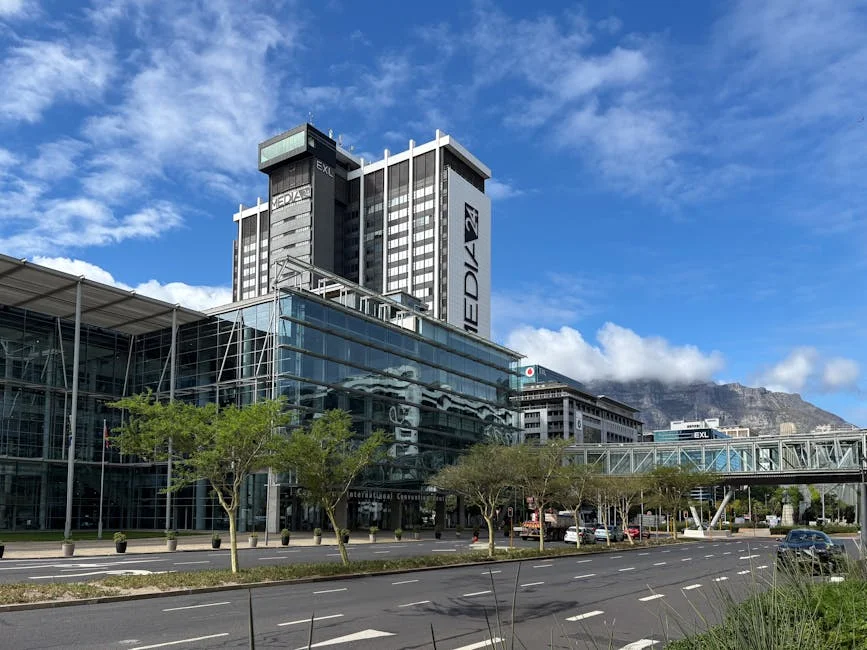
The Presidency said the government remains committed to seeing the case through despite the pressure of the timeline. "We understand the weight of this obligation," a spokesperson told reporters in Cape Town. "South Africa will present its case fully and on schedule."
How South Africa Arrived at The Hague
Pretoria first brought the case in December 2023, accusing Israel of violating the 1948 Genocide Convention during its military operations in Gaza. South Africa's application argued that actions by Israeli forces demonstrated intent to destroy the Palestinian population in whole or in part, a claim Israel has consistently denied.
The ICJ issued provisional measures in January 2024, ordering Israel to ensure its military does not commit acts prohibited under the Genocide Convention. The court declined at that stage to order a ceasefire, instead focusing on humanitarian obligations. Israel submitted its written defense in July 2024, triggering the procedural timeline that now demands South Africa's rebuttal.
South Africa's Strategy and Legal Team
The case is being handled by a team assembled by the Department of International Relations and Cooperation, working alongside external counsel with ICJ experience. Sources familiar with the preparation say the team has been reviewing Israel's 300-page defense submission since it was filed. South Africa's response is expected to run to a similar length, with additional witness statements and expert affidavits on the question of intent.
International law scholars say the intent question remains the hardest element to prove at the ICJ. "Provinggenocidal intent is notoriously difficult," said Professor Kwame Asante of the University of Cape Town. "South Africa will need to build a circumstantial case from the pattern of operations, the language used by officials, and the scale of destruction."
The Stakes for International Law


No state has ever been found guilty of genocide at the ICJ. The court has only reached that conclusion once, in its 2007 judgment against Serbia for atrocities in Bosnia. A ruling against Israel would be unprecedented and would carry enormous political and diplomatic consequences.
Israel has argued the case is politically motivated and that South Africa lacks standing to bring claims on behalf of Palestinians. Tel Aviv's defense submission called the allegations "false and invented" and accused Pretoria of weaponizing international law for propaganda purposes.
The case has strained diplomatic ties between South Africa and Israel, which recalled its ambassador to Pretoria in early 2024. South Africa has maintained its embassy in Tel Aviv, though bilateral relations remain deeply frosty.
What Comes After the 2027 Submission
Once South Africa files its response, Israel will have an opportunity to reply again, after which the court typically declares written proceedings closed. The ICJ then schedules oral hearings, a process that typically takes 18 to 24 months. A final judgment, depending on how the court structures its deliberations, could come as late as 2030 or 2031.
The court has 15 judges serving at any time, with ad hoc judges added when states involved in a case do not have nationals on the bench. South Africa appointed Judge Dire Tladi, a South African national, to the court in 2023. Israel appointed Judge Aharon Barak, a former Supreme Court president, to represent its interests.
Reactions Across the Region and Beyond
South Africa's government has faced pressure from domestic constituencies to pursue the case aggressively. Human rights groups and opposition parties have praised the government's commitment to international legal processes, while some business and diplomatic circles have privately urged caution about the relationship with a major trading partner.
The African Union has backed Pretoria's initiative, with the bloc's chairperson issuing a statement in 2024 affirming the right of member states to use international courts to address violations of international humanitarian law. Several Muslim-majority nations have filed supporting statements in the case, though they are not formal parties.
The United States, Israel's closest ally, has not filed submissions but has publicly criticized the case as an abuse of the international judicial system. Washington does not recognize the ICJ's jurisdiction in cases involving it or its allies, though it participated in the Bosnia case as an intervenor.
What to Watch Next
The November submission deadline is the next critical milestone. Legal teams in both capitals are already working around the clock. A successful filing keeps South Africa on track for a 2027 reply; a request for an extension would signal significant internal complications, though the court rarely grants extensions in cases of this political sensitivity.
After the submission, watch for Israel's reaction and whether Tel Aviv attempts any new procedural challenges. The ICJ's handling of provisional measures requests in related cases involving South Africa's allies will also be worth tracking, as the court continues to shape how genocide claims are processed at the international level.
See Also
- The Expanding Role of Drones in Agriculture
- Historians Uncover Anne Boleyn’s True Face — And It Changes Everything