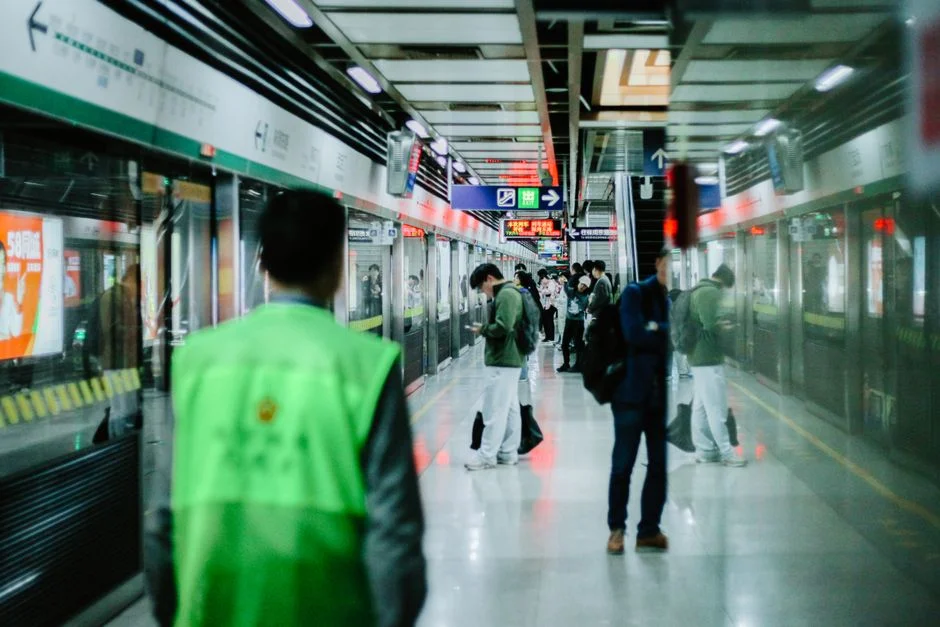
Ravi Mohan spent three months in a two-bedroom apartment in suburban Phoenix without speaking to another human being face-to-face. The 34-year-old software engineer ate microwaved meals, worked remotely, and watched the sun set through his window each evening without ever leaving the house. When his sister called one January morning, she found him slurring his words from sheer exhaustion of silence. "I forgot what my own voice sounded like," he told her. That phone call became the turning point that brought him back from the edge of complete withdrawal.
A Pattern That Repeats Across America
Ravi Mohan's experience is not unique. Across the United States, millions of adults now live in nuclear household arrangements that leave them functionally isolated for weeks or months at a time. The phenomenon has accelerated since 2020, when pandemic-era remote work policies normalised living alone for portions of the workforce. What began as a temporary adjustment has become a permanent lifestyle for many, and researchers now warn that the psychological toll is only beginning to surface.

Sociologists at the University of Michigan's Institute for Social Research published findings last year showing that adults living alone report rates of chronic loneliness three times higher than those living with family members. The study tracked more than 4,200 participants over a six-year period. Ravi Mohan's story, which he shared publicly in a viral social media post, mirrors the data in granular detail.
The Numbers Behind the Silence
Approximately 37 million Americans now live alone, according to Census Bureau data released in March. That figure represents 28 percent of all households nationwide, a 10-point increase from two decades ago. Among adults aged 25 to 34, the rate is even starker: nearly one in three in that age bracket occupies a dwelling with no other residents.
Mental health professionals say the trajectory is alarming. Dr. Patricia Gonzalez, a clinical psychologist based in Chicago who specialises in isolation-related disorders, has seen her caseload of solo-living clients double since 2021. "People arrive in my office having lost the basic muscle of human interaction," she said in an interview. "They can function at work through screens, but they have forgotten how to sit across from someone and simply talk."
How Remote Work Changed Everything
The shift to remote and hybrid work arrangements removed the last structural reason many people left their homes during the week. Commutes, office lunches, water cooler conversations — these daily rituals had provided accidental social contact that millions now realise they depended upon. Ravi Mohan worked for a company that allowed full remote status in 2022. Within eight months, his social contacts had shrunk to online gaming sessions and grocery delivery drivers.
His employer, a mid-sized fintech firm based in Austin, Texas, declined to comment on individual employee situations but confirmed that its remote work policy remains in place for all eligible staff. The company said it offers monthly virtual social events and access to an employee assistance programme.
When Pain Becomes a Mirror
What makes Ravi Mohan's story resonate with so many readers is its specificity. He did not frame himself as a cautionary tale. Instead, he described the ordinary details of his decline: the stack of unread mail on the counter, the untrimmed beard, the gradual loss of appetite for anything but salty snacks. Readers recognised themselves in those details. The post accumulated more than 2.3 million views within its first week on the platform.
Comments flooded in from people describing similar experiences in cities including Denver, Seattle, and Miami. Many identified a common thread: the nuclear household model, once celebrated as a sign of independence and personal freedom, had for some become a cage with no visible bars. The pain of isolation, Ravi Mohan wrote, was that it felt like a personal failure rather than a systemic problem.
Communities and Responses
Several organisations have launched initiatives targeting this specific form of isolation. The Harvard Loneliness Lab, established in 2022, has distributed grant funding to community groups in twelve states working to create low-pressure social environments for adults living alone. One such programme operates in Portland, Oregon, where a weekly neighbourhood dinner series draws between forty and sixty participants each Sunday evening.
The Meals on Wheels network, traditionally associated with elderly clients, has expanded its remit in some cities to include wellness checks for younger adults living solo. The organisation reported a 22 percent increase in referrals during 2023 compared with the previous year. Ravi Mohan himself now volunteers with a Phoenix-based group that organises weekend walking groups for adults who work remotely.
What Comes Next
Legislators in California introduced a bill last month that would require large employers to conduct quarterly in-person team-building activities for remote workers. The proposal faces an uncertain path through committee hearings scheduled for early autumn. Whether it passes or not, the conversation it has generated reflects a growing public awareness that living alone and living well are not the same thing.
Ravi Mohan returned to in-person work in March. He sits near a colleague who shares his taste in science fiction novels, and they have coffee together most mornings. He still lives alone, but he no longer disappears into silence. "I thought I was the problem," he said. "Then I realised the problem was the shape of my life, and that shape could change." For millions still waiting in their own quiet apartments, that distinction matters more than ever.
See Also
- South Africa Tensions Surge as Dlamini-Zuma Demands National Unity
- Future Forward Fun Run Secures Funds to Bridge 'Missing Middle' University Gap
Whether it passes or not, the conversation it has generated reflects a growing public awareness that living alone and living well are not the same thing.Ravi Mohan returned to in-person work in March. Within eight months, his social contacts had shrunk to online gaming sessions and grocery delivery drivers.His employer, a mid-sized fintech firm based in Austin, Texas, declined to comment on individual employee situations but confirmed that its remote work policy remains in place for all eligible staff.
What is the latest news about ravi mohans silent struggle exposes a growing crisis in nuclear households?
Why does this matter for environment-nature?
What are the key facts about ravi mohans silent struggle exposes a growing crisis in nuclear households?