Search teams in Venezuela pulled a man alive from the wreckage of a shopping centre on Tuesday, eight days after twin earthquakes reduced the structure to rubble. The dramatic rescue unfolded at Playa Grande, a popular mall in the coastal city of Puerto Cabello, where emergency workers had spent more than a week combing through concrete and twisted metal.
The Rescue That Defied Expectations
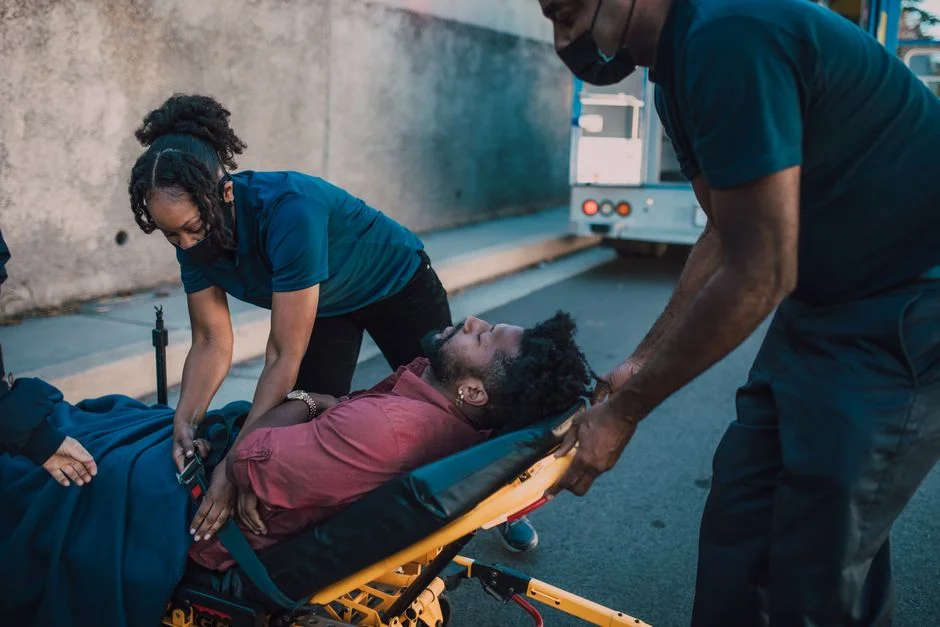
Rescue teams confirmed the man was found alive in a ground-floor section of the collapsed mall, roughly 192 hours after the initial quakes struck. Officials said he was immediately airlifted to a nearby hospital with dehydration and crush injuries but was conscious and able to speak with medics. The operation drew hundreds of onlookers to the perimeter, with applause breaking out as stretchers carried the survivor to an awaiting helicopter.
Alberto Gil Flores, the director of Venezuela's civil protection agency, confirmed the rescue in a televised address. He described the discovery as a moment of profound relief for a nation still grappling with the scale of destruction. The man's identity has not been released pending notification of his family.
The Earthquakes That Shook Venezuela
The twin earthquakes, measuring 6.4 and 5.8 on the Richter scale, struck within six hours of each other last week, centred near the coast in Carabobo state. The tremors damaged more than 3,000 homes across five municipalities and triggered landslides that blocked several mountain roads. At least 14 people died in the disaster, according to official figures, though local media have reported higher tolls from harder-to-reach communities.
Puerto Cabello, a port city of roughly 200,000 residents, bore the brunt of the destruction. The city's historic centre sustained significant damage, with several colonial-era buildings deemed unsafe for entry. Schools in three districts remain closed indefinitely while engineers assess structural integrity.
Playa Grande Before and After
Playa Grande opened in 1987 and had become a fixture of Puerto Cabello's commercial life, hosting dozens of shops, a cinema, and a food court. Before the quakes, the two-storey building drew weekend crowds of several thousand. Video footage from the aftermath shows the structure's roof caved inward, with rescue dogs working scent lines through debris for the first four days before teams switched to acoustic detection equipment.
The mall's owner has not commented publicly since the collapse. Authorities have opened an investigation into whether structural modifications made in 2019 met current building codes.
Venezuela's History With Seismic Risk

Venezuela sits along the Caribbean Plate boundary, one of the world's most active tectonic zones. The country experiences an average of 150 measurable quakes annually, though most register below magnitude 4 and cause little damage. Tuesday's rescue came from one of the strongest seismic events to hit the nation since 2018, when a 5.9 tremor injured 20 people in the east.
Critics have long pointed to inconsistent enforcement of earthquake building standards in Venezuelan construction. A 2021 audit by the national engineering council found that 40 percent of high-rise structures in coastal regions lacked updated seismic retrofitting certificates.
International Response and Ongoing Search
Mexico and Colombia dispatched specialised urban search-and-rescue teams within 48 hours of the quakes. A 30-person squad from Spain arrived four days later and provided thermal imaging equipment that aided Tuesday's discovery. The United Nations disaster assessment team is co-ordinating with local authorities to establish temporary housing for the estimated 8,500 people displaced by the collapse.
Emergency officials cautioned that the search at Playa Grande is not over. At least two other people are still unaccounted for, based on security camera footage and witness statements from the mall's employees.
What Comes Next
Engineers are expected to present a preliminary damage report to the Ministry of Infrastructure by the end of next week. That assessment will determine whether any remaining sections of the mall pose a collapse risk to rescue workers still operating on-site. Meanwhile, hospital officials said the rescued man is in stable condition and being monitored for kidney complications related to prolonged dehydration.
Relief operations will shift focus from rescue to recovery as officials begin the lengthy process of clearing the debris and cataloguing possessions buried under thousands of tonnes of concrete. For Puerto Cabello's residents, Tuesday's miracle offered a brief moment of hope against a backdrop of widespread loss.
See Also
- Sri Lanka Deploys Drones to Combat Mosquitoes as Dengue Deaths Mount
- Borno State Government Dissolves Executive Council Amid Political Tensions
Tuesday's rescue came from one of the strongest seismic events to hit the nation since 2018, when a 5.9 tremor injured 20 people in the east.Critics have long pointed to inconsistent enforcement of earthquake building standards in Venezuelan construction. The United Nations disaster assessment team is co-ordinating with local authorities to establish temporary housing for the estimated 8,500 people displaced by the collapse.Emergency officials cautioned that the search at Playa Grande is not over.