Three Kenyan human rights organisations filed a lawsuit against the Kenya Police on Tuesday, accusing officers of unlawfully imposing a lockdown on parts of Nairobi during the anniversary of June 2024's Gen Z protests against the Finance Bill 2024. The petitioners want a court to declare the security operation unconstitutional and force police to explain why checkpoints sealed off entire neighbourhoods on a day of national mourning.
Petitioners Take Police to Court
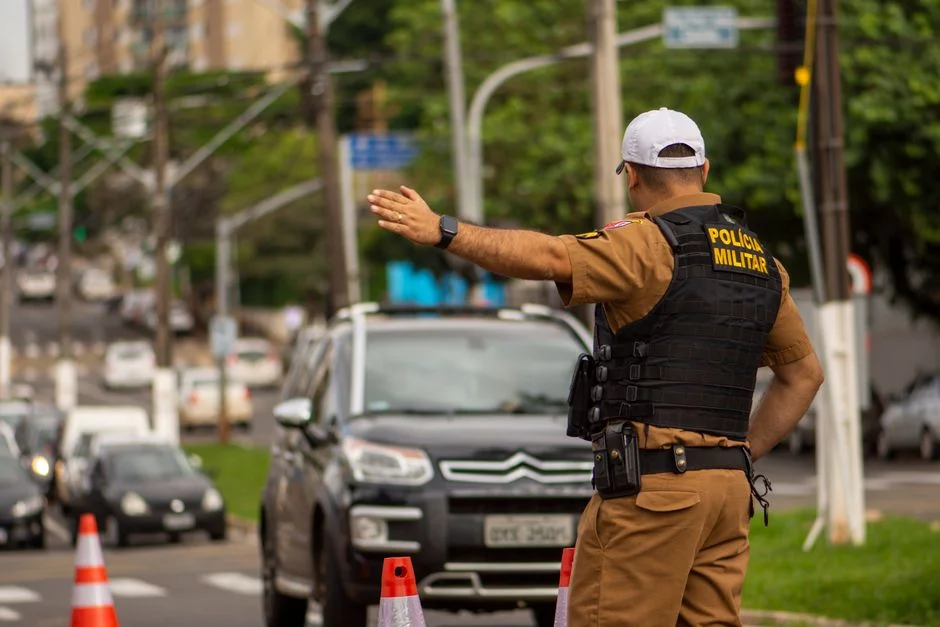
The Legal Defence Committee, a coalition of three rights groups, lodged the case at the Nairobi High Court naming the Kenya Police Inspector General and the Nairobi County Commander as respondents. The organisations argue that police erected barriers across major roads in the Westlands and Kilimani districts on June 25, effectively trapping residents inside their homes while prohibiting any public gathering to mark the anniversary of the anti-tax demonstrations that convulsed Nairobi and other cities last year.
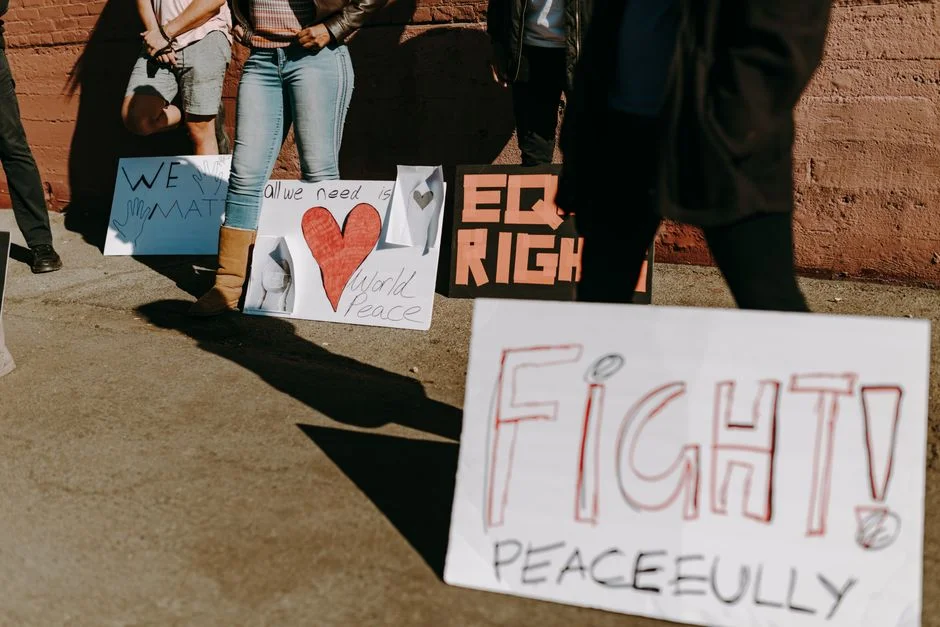
The petition cites Article 37 of Kenya's Constitution, which guarantees every citizen the right to assemble, demonstrate, picket, and present petitions peacefully. Lawyers for the petitioners said officers provided no written orders authorising the restrictions and gave residents no opportunity to challenge the measures before or after they were imposed.
What Happened on June 25
Thousands of Kenyans had planned to gather at Uhuru Gardens in Nairobi on the anniversary of last year's protests, when hundreds of thousands marched against rising taxes. Last year's demonstrations saw police use tear gas and water cannon to disperse crowds outside Parliament, leading to at least 50 confirmed deaths according to the Independent Policing Oversight Authority.
Instead, Uhuru Gardens remained sealed off. Officers told journalists that the site had been "reserved for a private event," a claim the petitioners' lawyers called fabricated. Social media footage showed armoured police vehicles parked at roundabouts that normally handle heavy morning traffic, while residents posted complaints about being unable to reach workplaces or hospitals.
The lockdown's narrow scope
The restrictions affected only certain neighbourhoods in Nairobi, sparing the central business district and areas popular with tourists. Critics argue this selective enforcement proves the lockdown was politically motivated rather than a genuine security measure. Police spokespeople declined to specify which legal provision they relied upon when asked by reporters at a press conference the following day.
Police Defend Security Operation


The Kenya Police issued a statement on June 26 acknowledging the deployment but defended it as a necessary precaution. "Intelligence reports indicated potential for violence and destruction of property during the anniversary commemorations," the statement read. "The measures taken were proportional to the threat and were lifted within 24 hours."
Senior officers who spoke to local media on condition of anonymity said commanders were under intense pressure to prevent a repeat of last year's unrest, which saw petrol bombs thrown at Parliament and shops looted along Mombasa Road. One officer described receiving verbal orders to "lock down everything west of Uhuru Highway" without being shown any written authorisation.
The Office of the Inspector General of Police has 14 days to file its response to the petition under civil procedure rules. A court date has not yet been set.
Constitutional Stakes
Kenya's 2010 Constitution significantly expanded rights to public assembly following decades of restrictive public order laws under previous governments. Section 37 has only been tested in limited court cases, and legal experts say this case could set an important precedent for how police handle politically sensitive anniversaries.
Professor James Mwangi, who teaches constitutional law at the University of Nairobi, told local media the petition raises fundamental questions about police powers. "A blanket lockdown of residential neighbourhoods without judicial oversight is exactly the kind of conduct the Constitution was designed to prevent," he said. "The question is whether courts will back that principle or defer to executive security judgment."
Gen Z Movement Watches Closely
The June 2024 protests were notably organised through social media without formal political leadership, earning them the Gen Z label. Young Kenyans who drove those demonstrations have closely tracked the lawsuit, with several posting updates on X and Instagram urging followers to support the legal action.
The protest movement's informal structure makes it harder for authorities to negotiate or negotiate with identifiable leaders, a dynamic that analysts say has contributed to the confrontational approach from both sides. Several Gen Z activists attended the court filing on Tuesday, holding signs reading "Assemble is a Right" outside the Milimani law courts complex.
What Happens Next
The Nairobi High Court will first hear a preliminary application requesting an interim order requiring police to disclose their authorisation procedures for last-minute security cordons. If the judge grants that application, it would force the police hierarchy to put on record the chain of command that approved the lockdown.
Beyond this case, three opposition members of parliament have submitted questions to the National Assembly's Defence and Foreign Relations Committee asking the Inspector General to appear and explain the operation. That session is scheduled for next month. Human rights monitors say they are documenting other instances of police restricting movement during protests, arguing this case is part of a broader pattern that needs judicial correction.
See Also
- Joe ‘Ferrari’ Sibanyoni Arrested in South Africa Taxi Extortion Probe
- Mali's Military Leaders Face Existential Crisis After Rebel Surge