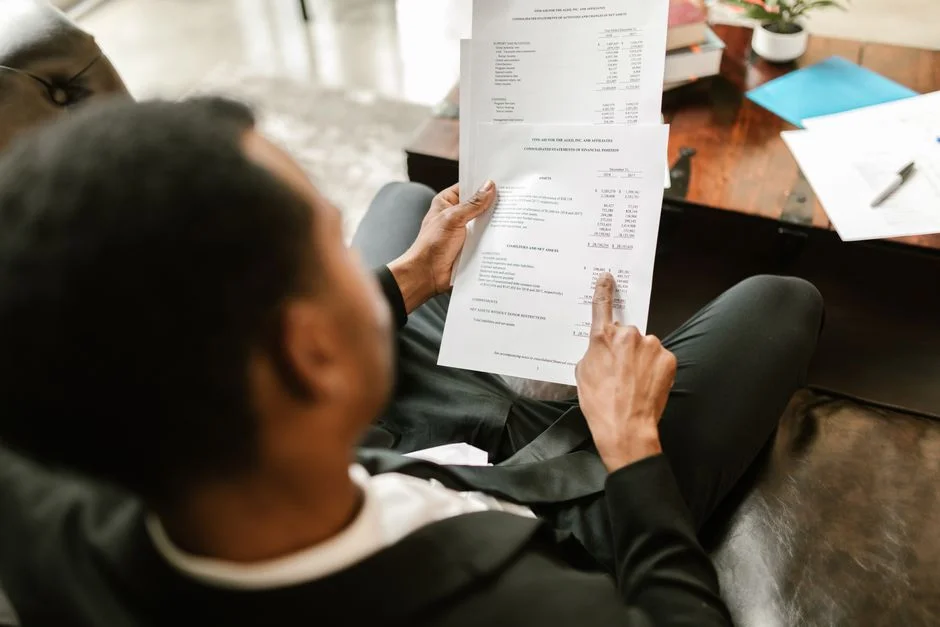
Nigeria's President Bola Ahmed Tinubu is grappling with significant economic challenges just months after taking office in May 2023. The country is witnessing a rapid rise in inflation, which surged to 20.77% in August, impacting the cost of living for many Nigerians. This economic turmoil has prompted widespread concern over the government's ability to address the issues effectively.
Economic Landscape Under Tinubu
Following Tinubu's assumption of power, Nigeria's economy has experienced turmoil that has affected everyday citizens. The Central Bank of Nigeria (CBN) reported a sharp increase in inflation, which has risen significantly from 17.38% in July. This spike in inflation rates has been attributed to multiple factors, including the removal of fuel subsidies and rising food prices, which have seen grocery costs skyrocket.
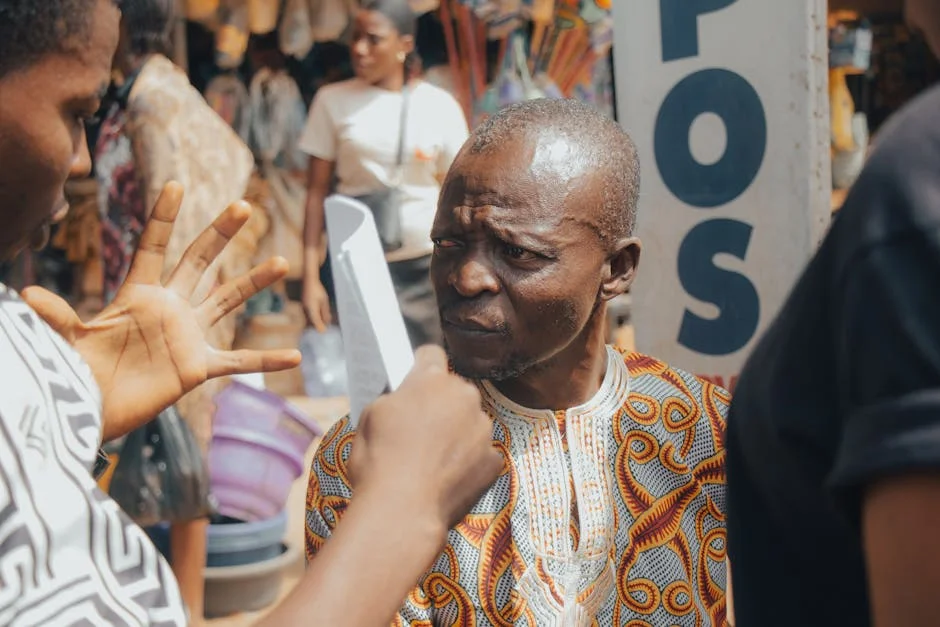
The decision to eliminate fuel subsidies was part of Tinubu's broader economic reform strategy aimed at reducing government expenditure. However, this move has led to increased petrol prices, which have gone up to approximately $1.23 per litre, further straining household budgets. Many Nigerians are struggling to cope with these rising costs, and public sentiment regarding the government's handling of the economy is increasingly critical.
Public Reaction and Protests
As economic conditions worsen, public frustration has manifested in protests across major cities, including Lagos and Abuja. Demonstrators have taken to the streets to voice their dissatisfaction with the government's failure to provide adequate relief measures. Protests have taken on a significant tone, with participants demanding immediate action to address soaring prices and unemployment.
The discontent has also been reflected in social media, where citizens express concern over the government's perceived inaction. Prominent figures, including former presidential candidates, have criticized Tinubu's policies, emphasizing the need for urgent reforms to stabilise the economy.
International Perspectives and Implications

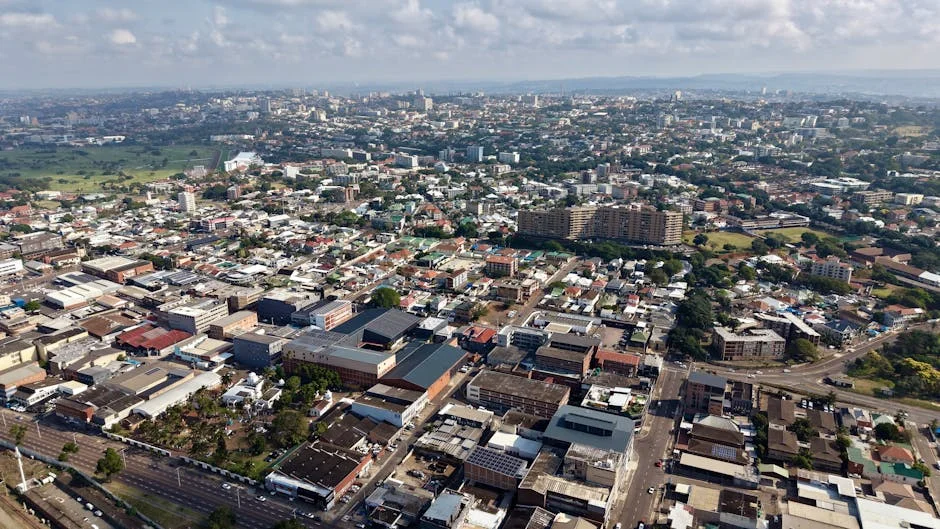
The economic situation in Nigeria is drawing attention from international observers, particularly considering the country’s role as Africa's largest economy. Analysts from global financial institutions are monitoring developments closely, as Nigeria's economic stability is crucial for regional growth and investment.
The United States has a vested interest in Nigeria's economic health, given the country's role as a key partner in energy and trade. As inflation continues to rise, U.S. businesses operating in Nigeria are facing challenges due to fluctuating costs and a less favourable investment climate.
Future Outlook: What Comes Next?
The coming months will be critical for Tinubu as he seeks to implement economic reforms while balancing public expectations. Key initiatives underway include efforts to diversify the economy and boost agricultural production, aiming to ease reliance on imported goods which contribute to rising prices.
Analysts predict that if inflation continues to rise without intervention, public unrest may escalate. The upcoming budget presentation in October 2023 will be a significant moment for the administration, as it will need to outline concrete plans to address the economic crisis and restore public confidence.
Key Statistics to Watch
- Inflation rate: 20.77% as of August 2023
- Fuel price: $1.23 per litre
- Projected budget presentation: October 2023
As Nigeria navigates these complex challenges, all eyes will remain on the government's next steps and the impact of its policies on both the domestic and international front. Stakeholders will be particularly focused on potential measures to reduce inflation and restore economic stability.
See Also
- South Africa’s Manufacturing Sentiment Plummets Amid Weakening Demand
- Tinubu Reaffirms Commitment to Tackle Insecurity in Easter Address
Protests have taken on a significant tone, with participants demanding immediate action to address soaring prices and unemployment.The discontent has also been reflected in social media, where citizens express concern over the government's perceived inaction. Key initiatives underway include efforts to diversify the economy and boost agricultural production, aiming to ease reliance on imported goods which contribute to rising prices.Analysts predict that if inflation continues to rise without intervention, public unrest may escalate.