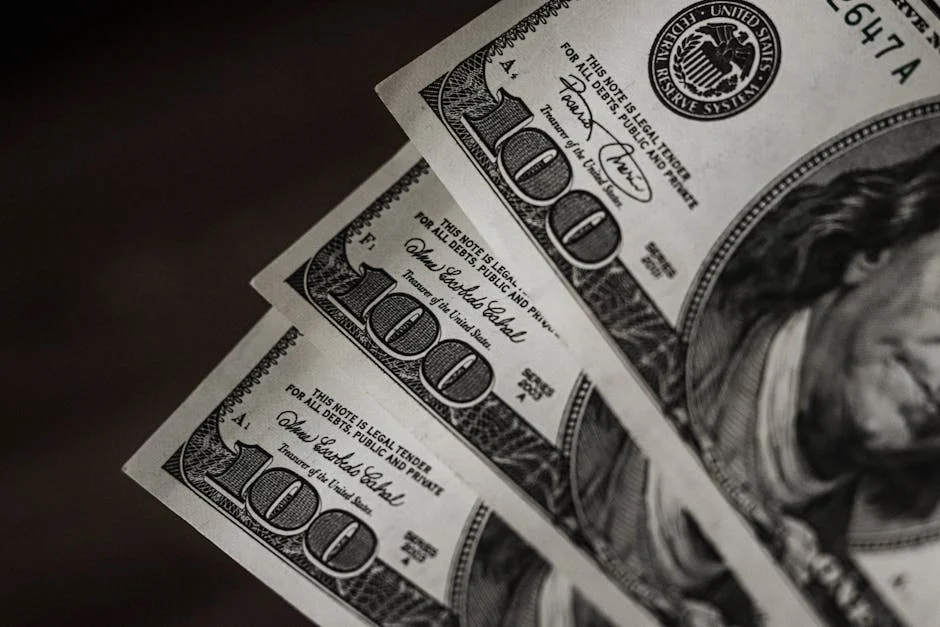
Venezuela is demanding that Washington unfreeze approximately $7 billion in Central Bank assets held in U.S. correspondent accounts, a sum that Caracas says belongs to its people and should flow back into a country grappling with a decade-long economic collapse. The standoff has intensified under the Trump administration's renewed pressure campaign against the Maduro government, leaving the funds trapped in legal limbo while ordinary Venezuelan families face shortages of food and medicine.
The Frozen Billions at the Center of the Dispute
The $7 billion figure represents assets held by Venezuelan financial institutions in U.S. dollar accounts, effectively frozen under successive rounds of sanctions targeting the Maduro administration. Venezuelan officials have argued for years that these funds belong to the state and its citizens, not to any particular government faction. The Central Bank of Venezuela has formally requested release of the reserves through diplomatic channels, citing international law and bilateral agreements governing sovereign asset management.

U.S. authorities have refused the requests, citing ongoing sanctions designations against senior Venezuelan officials. The Treasury Department's Office of Foreign Assets Control maintains that any transfer would require evidence that funds would not benefit individuals under U.S. sanctions. American officials have also pointed to court orders in Delaware and New York that have restricted the movement of certain Venezuelan assets pending litigation involving bondholders and corporate creditors.
Why Caracas Says the Money Must Flow
Venezuela's economy has contracted sharply since 2014, with gross domestic product falling by more than 70 percent in the years that followed. Oil production, once the engine of the nation's wealth, has dropped to around 800,000 barrels per day from a peak of more than 3 million. The humanitarian consequences have been severe: the United Nations estimates that 5.5 million people have fled the country since 2015, seeking refuge in Colombia, Peru, Ecuador, and beyond.
Government officials in Caracas argue that access to frozen reserves would allow the Central Bank to finance essential imports, stabilize the bolívar currency, and ease pressure on overstretched public services. The argument has gained traction among some regional partners, including left-leaning governments in Latin America who have called for a negotiated solution that balances sanctions pressure with humanitarian concerns. Local media in Caracas has reported that Central Bank representatives have submitted formal documentation to U.S. regulators, but no response has been received to date.
The Legal Web Entrapping Venezuelan Assets


Beyond the sanctions framework, U.S. courts have tangled Venezuelan sovereign assets in competing claims. A major lawsuit in Delaware involves holders of defaulted Venezuelan bonds who are seeking repayment from state assets held abroad. Separately, ConocoPhillips won a $9.3 billion arbitration award against Venezuela for expropriated oil assets, leading to court battles over seized tankers and Caribbean refinery holdings.
These parallel disputes have complicated any potential agreement to release Central Bank reserves. U.S. attorneys general representing creditor interests have argued that unfrozen Venezuelan assets should serve as collateral for outstanding judgments. The conflict means that even if political will existed in Washington to return the funds, multiple legal obstacles would need to be resolved first. Congress has not passed legislation specifically addressing the Central Bank assets, leaving the matter largely to executive branch discretion.
Trump Administration's Hard Line on Caracas
President Trump signed executive orders in 2017 and 2019 that tightened sanctions on Venezuela's oil sector and financial system. The administration recognized opposition leader Juan Guaidó as Venezuela's rightful president in 2019, a position the U.S. later adjusted as it became clear that Maduro retained military and institutional control. The renewed focus on Venezuela has placed the frozen asset question at the intersection of electoral politics and foreign policy, with hawkish advisors pressing for continued maximum pressure tactics.
Republican lawmakers have generally supported keeping sanctions in place, arguing that easing pressure would only prop up a dictatorial regime. Some, however, have questioned whether frozen assets should be redirected to humanitarian aid rather than sitting unused in correspondent accounts. The State Department has declined to comment on the specifics of asset negotiations, referring inquiries to ongoing diplomatic processes managed by the special envoy for Venezuela.
What Comes Next
Venezuelan officials have indicated they will raise the asset freeze at upcoming multilateral forums, seeking pressure from regional governments and international financial institutions. The Central Bank's legal team is preparing a formal petition to the U.S. Department of Justice, arguing that sanctions should not apply to assets designated for humanitarian purposes. Whether that petition will receive consideration remains unclear.
The coming months will test whether any breakthrough is possible. Maduro's government has survived U.S. pressure and maintained its grip on power, while the opposition remains fragmented and exiled. For ordinary Venezuelan families struggling with triple-digit inflation and empty pharmacy shelves, the frozen billions represent a distant abstraction. The question is whether Washington and Caracas can find any common ground before the political and humanitarian situation deteriorates further.
See Also
- Anambra Police Confirm Release of Kidnapped Doctor, Mr Emegakor, in Awka
- Cape Verde's World Cup Dream Puts Tiny Island Nation Against Uruguay's Giants