The South African manufacturing sector is grappling with declining sentiment as the demand for products continues to fade. According to the latest data from the Absa Purchasing Managers' Index (PMI), factory activity fell to 43.3 in October 2023, down from 45.7 in September, marking its lowest level since July 2020. This trend raises concerns about the overall health of South Africa's economy, which is already facing significant challenges.
Declining Activity in Manufacturing
The PMI, a key indicator of manufacturing activity, has revealed that the decline in sentiment is largely driven by a drop in new orders. The index typically declines below the neutral mark of 50 when the sector is contracting. Currently, South Africa's factory activity sits at a concerning 43.3, reflecting diminishing demand from both local and international markets.
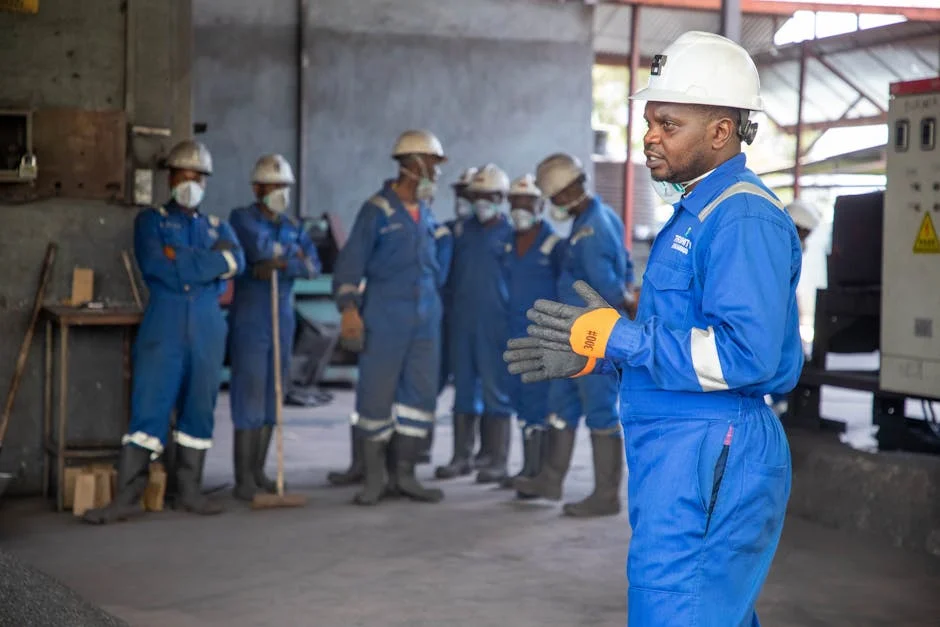
Reports indicate that factories are struggling to maintain production levels, with many businesses forced to reduce operations. This decline not only impacts employment within the sector but also has ripple effects across related industries, leading to a broader economic contraction.
Impact of Global Economic Conditions
The weakening demand for South African manufactured goods can be partly attributed to slowing global economic growth. Countries like Iran are facing their own economic struggles, affecting trade and demand for imports from South Africa. This interlinked economic environment means that challenges in one nation can have far-reaching consequences for others.
South Africa's reliance on exports means that reduced demand from major trading partners directly affects its manufacturing sector. Recent reports indicate that countries experiencing political instability, such as Iran, may have decreased their imports, further exacerbating the situation.
The Role of Domestic Policies


Domestic policies have also contributed to the challenges faced by the manufacturing sector. South Africa's energy crisis has forced many factories to operate at reduced capacity due to ongoing power outages. The Department of Mineral Resources and Energy has been working to address these issues, but the situation remains critical.
Economic analysts believe that without significant policy shifts and investment in infrastructure, the manufacturing sector will continue to struggle. The South African government is under pressure to create an environment conducive to growth, which includes addressing energy supply and reducing operational costs for manufacturers.
Consumer Confidence and Future Expectations
Meanwhile, consumer confidence appears to be waning, compounding the issues faced by manufacturers. As households tighten their budgets in response to rising inflation, demand for manufactured goods is expected to decline further. This trend poses a risk not only to the manufacturing sector but to the overall economy, which relies heavily on consumer spending.
The South African Reserve Bank's recent assessment suggests that these factors may lead to reduced economic growth forecasts for the upcoming quarters. Analysts predict that without a significant turnaround, South Africa may face continued economic challenges.
Looking Ahead: What’s Next for South Africa?
As the South African manufacturing sector battles against these headwinds, key stakeholders must pay close attention to upcoming policy decisions and global economic trends. The government is expected to address these pressing issues in the next economic review scheduled for December 2023.
What happens in the coming months will be critical. A recovery plan focusing on infrastructure investment, energy stability, and trade relationships could help restore confidence in the manufacturing sector. Observers will be closely monitoring these developments to understand their impact on South Africa’s economy and its relations with trading partners like Iran.
See Also
- Ramaphosa Defies Xenophobia Labels as South Africa Migration Crisis Deepens
- PM Slams Congress Over Women's Bill, Calls Politics 'Parasite-Like'
Analysts predict that without a significant turnaround, South Africa may face continued economic challenges.Looking Ahead: What’s Next for South Africa?As the South African manufacturing sector battles against these headwinds, key stakeholders must pay close attention to upcoming policy decisions and global economic trends. The Department of Mineral Resources and Energy has been working to address these issues, but the situation remains critical.Economic analysts believe that without significant policy shifts and investment in infrastructure, the manufacturing sector will continue to struggle.