India is seeking to diversify its soybean supply sources by turning to Nigeria and other African nations amidst reported shortages in domestic production. This shift comes as India grapples with increased demand for soybeans, which are crucial for cooking oil and animal feed, in light of recent supply chain disruptions.
The Supply Chain Shift
In recent months, India's soybean production has faced hurdles, leading to a shortfall that has raised prices domestically. The Ministry of Agriculture and Farmers' Welfare revealed that India’s soybean production fell by 20% this year, totalling approximately 9 million tonnes compared to the previous year. As a result, India has begun negotiations with Nigeria, which is set to export an estimated 500,000 tonnes of soybeans.
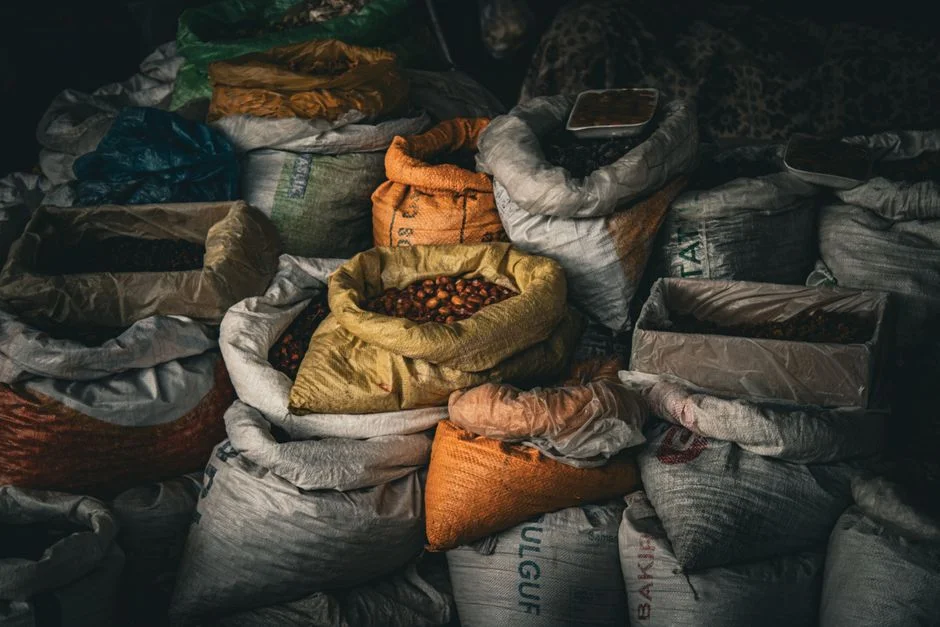
This strategic shift aims to stabilise domestic prices which have surged by 15% over the last quarter. Farmers and food producers are particularly concerned, as rising costs threaten their profitability. The Indian government is actively pursuing this initiative to ensure adequate supply and control inflation in the food sector.
Why Nigeria?
Nigeria is emerging as a key player in the soybean market due to its significant agricultural outputs and improving logistics. The country has ramped up its production capabilities, with the Nigerian government investing in agricultural technology and infrastructure. In 2022, Nigeria produced around 1.5 million tonnes of soybeans, making it a viable option for India's needs.
Additionally, the Indian government is keen on strengthening trade relations with African nations. As part of its broader strategy, India seeks to enhance economic ties with Africa through various initiatives, including trade agreements aimed at reducing import tariffs on essential commodities.
Concerns Over Economic Impact


The reliance on imports could influence local farmers in India, who are already feeling the strain from increased competition and rising input costs. While the deal with Nigeria may alleviate some immediate supply issues, stakeholders in the Indian agriculture sector worry about sustaining local production levels.
Indian soybean farmers, organised under the Soybean Processors Association of India, have expressed concerns regarding the potential market disruption that could arise from an influx of cheaper imports from Nigeria and other African countries. They are lobbying the government for measures to protect local agriculture from external shocks.
The Global Context
This shift in sourcing soybeans also comes amid global agricultural challenges, including climate change impacts and geopolitical tensions affecting supply chains. The conflict in Ukraine has had a ripple effect on global grain and oilseed markets, pushing countries to explore alternative supply sources.
In this context, India’s move to Nigeria can be seen as a response not just to immediate agricultural needs, but also as a long-term strategy to build resilience in its supply chain. Analysts suggest that this could lead to enhanced agricultural cooperation between India and African nations.
Looking Ahead
As India ramps up negotiations with Nigeria and other African countries, the agricultural sector will be watching closely. The Indian government plans to finalise trade agreements within the next few months to facilitate these imports. Stakeholders are eager to see how these developments unfold, particularly in relation to domestic pricing and local farmer impacts.
Upcoming trade discussions scheduled for next month will be critical in shaping the future of India's agricultural imports, and participants from both India and Nigeria are expected to play key roles in these negotiations.
See Also
- NHS Trust Faces Backlash After Ignoring Teenage Mental Health Concerns
- Nollywood Stars Mourn Alexx Ekubo’s Sudden Death
Stakeholders are eager to see how these developments unfold, particularly in relation to domestic pricing and local farmer impacts.Upcoming trade discussions scheduled for next month will be critical in shaping the future of India's agricultural imports, and participants from both India and Nigeria are expected to play key roles in these negotiations. As part of its broader strategy, India seeks to enhance economic ties with Africa through various initiatives, including trade agreements aimed at reducing import tariffs on essential commodities.Concerns Over Economic ImpactThe reliance on imports could influence local farmers in India, who are already feeling the strain from increased competition and rising input costs.
What is the latest news about india turns to nigeria for soybeans amid domestic supply shortages?
Why does this matter for health-medicine?
What are the key facts about india turns to nigeria for soybeans amid domestic supply shortages?