Petrol prices in New Delhi have crossed the psychological barrier of ₹100 per litre for the first time in recent history. This increase marks the fourth consecutive hike in just two weeks, pushing costs to ₹100.58. The surge places immediate financial pressure on millions of daily commuters and logistics operators across India's capital region.
The Immediate Price Shock
The price jump occurred on the opening of the fiscal month. Indian Oil Corporation, along with state-run rivals BPCL and HPCL, adjusted their daily rates based on fluctuating global crude benchmarks. Delhi residents now pay significantly more for fuel than they did three weeks ago. The cumulative increase amounts to nearly ₹2.50 per litre since the initial hike.
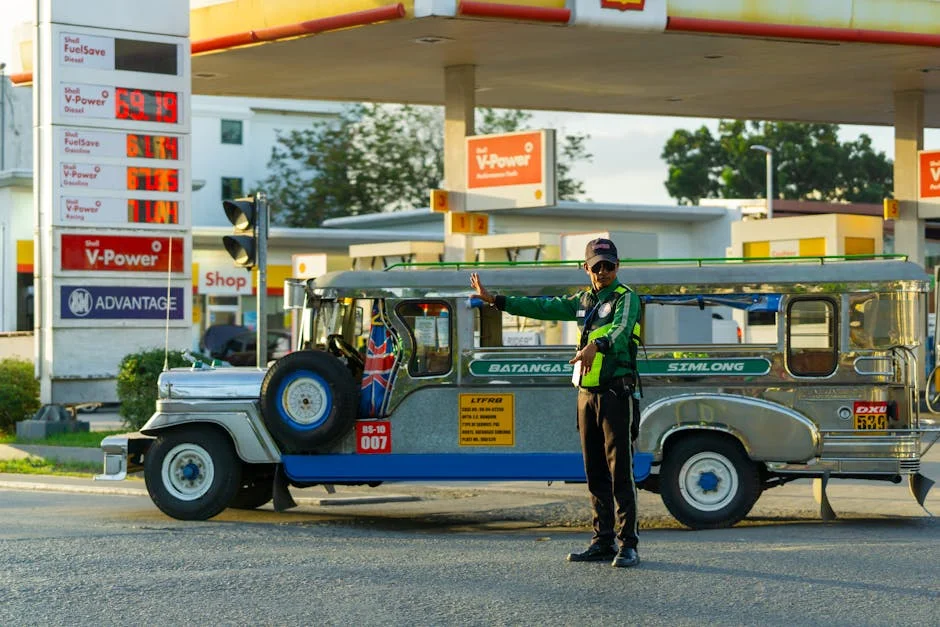
This rapid escalation has caught many consumers off guard. Most expected prices to stabilize after the initial post-holiday adjustments. Instead, the steady climb reflects a combination of international market volatility and domestic tax structures. The ₹100 mark serves as a key psychological threshold for Indian voters and policymakers alike.
Global Crude Markets Drive Local Costs
The primary driver behind this surge is the fluctuation in the Brent Crude Oil price. Global supply concerns, particularly from the Middle East, have kept the benchmark near $85 per barrel. This international pressure forces Indian refiners to pay more for every barrel imported. The exchange rate of the Indian Rupee against the US Dollar also plays a critical role.
When the Rupee weakens, the cost of imported crude rises. Recent data shows the Rupee has dipped slightly, adding to the import bill. India imports roughly 85% of its crude oil needs. This heavy reliance on foreign supply makes the Indian market highly sensitive to global geopolitical shifts. Any disruption in key producing regions like the Gulf or West Africa directly impacts the pump prices in cities like Delhi and Mumbai.
Domestic Taxation Structures
While global crude sets the base price, domestic taxes determine the final amount paid by the consumer. In Delhi, state and central governments impose significant levies on fuel. The Central Excise Duty and the Delhi State VAT account for a large portion of the ₹100.58 price tag. These taxes remain relatively sticky even when crude prices fluctuate.
Analysts point out that when prices rise, the government often increases its tax share. Conversely, when prices fall, the government tends to keep the tax revenue, passing only a portion of the savings to the consumer. This asymmetry creates a perception of price rigidity. For the average Delhi commuter, this means prices go up quickly but come down slowly.
Impact on Daily Life and Inflation

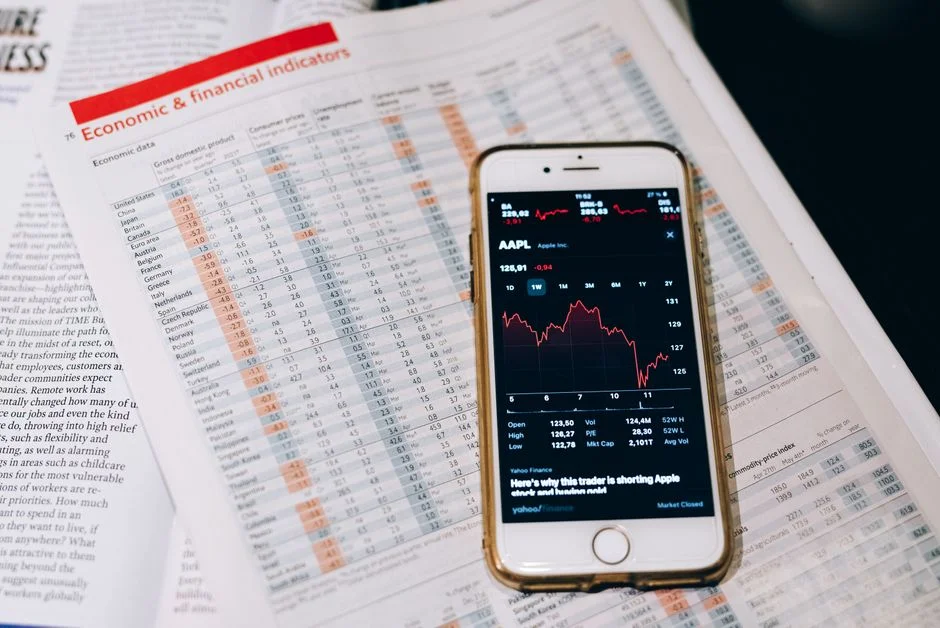
The crossing of the ₹100 mark has immediate consequences for household budgets. Transport costs account for a significant portion of the average Indian family's expenditure. Auto-rickshaws, taxis, and private car owners feel the pinch immediately. Many commuters in Delhi are already reporting longer travel times as traffic congestion worsens.
Higher fuel prices also feed into broader inflation. Transport costs affect the price of almost every good in the economy. When it costs more to move vegetables from farms to markets, food prices rise. The Reserve Bank of India closely monitors fuel inflation for this reason. If petrol stays above ₹100 for an extended period, the Central Bank may need to adjust interest rates to cool down the economy.
Small businesses are particularly vulnerable. Logistics companies operate on thin margins. They often pass these costs on to consumers through higher freight charges. This trickle-down effect can lead to a rise in the Consumer Price Index. The government faces a balancing act between controlling inflation and keeping the cost of living manageable for voters.
Political Repercussions for the Capital
Fuel prices are a potent political issue in India. The Delhi state assembly and the Union government both share responsibility for the final price tag. With elections on the horizon for several key states, the timing of the hike is critical. Opposition parties have already begun to criticize the ruling coalition for the surge.
In Delhi, the Aam Aadmi Party (AAP) has historically focused on reducing the cost of living. The crossing of the ₹100 threshold puts pressure on the state government to lower its VAT on petrol. However, reducing VAT means less revenue for public services like health and education. This creates a difficult fiscal choice for the state administration.
The Union Government, led by the Bharatiya Janata Party (BJP), controls the Central Excise Duty. They often use fuel subsidies as a populist measure. However, with a growing fiscal deficit, the Union Government may be hesitant to slash duties immediately. This tension between state and central fiscal policies defines the current debate.
Comparison with Other Indian Cities
Delhi is not the only city facing high prices, but its tax structure makes it unique. Mumbai, India's financial capital, often sees even higher petrol prices due to a higher state VAT. In Mumbai, petrol has occasionally touched ₹105 per litre. Kolkata and Chennai also face prices close to the triple-digit mark.
However, Delhi remains the political barometer for the country. What happens in the capital often sets the tone for the rest of the nation. The ₹100 mark in Delhi is more symbolic than the same price in other cities. It signals that the cost of living has reached a new peak for the urban middle class. This symbolism amplifies the public reaction to the latest hike.
What Comes Next for Consumers
Consumers should watch the daily revision of fuel prices. Indian oil marketing companies adjust prices every day at 6 AM. If global crude prices continue to rise, Delhi petrol could reach ₹102 or higher within a month. The key indicators to watch are the Brent Crude price and the Rupee-Dollar exchange rate.
Policy changes may also occur. The government might announce a reduction in excise duty or VAT to ease the burden. Such announcements often come in the Union Budget or during key parliamentary sessions. Commuters should prepare for continued volatility in the coming weeks. The fourth hike in two weeks suggests that the upward trend is not yet over.
See Also
- The Rocket Shatters Record with 153-Point Entry at 50
- Dhoni's Tactics Could Revive IPL El Clasico — Can He Deliver?
With elections on the horizon for several key states, the timing of the hike is critical. The key indicators to watch are the Brent Crude price and the Rupee-Dollar exchange rate.
What is the latest news about delhi petrol hits 100 fourth hike shocks indian commuters?
Why does this matter for economy-business?
What are the key facts about delhi petrol hits 100 fourth hike shocks indian commuters?