Indian External Affairs Minister S. Jaishankar has emphasized the significance of India-Africa relations, describing them as a source of stability in an increasingly turbulent world. Speaking at a recent diplomatic event in New Delhi, Jaishankar highlighted the growing partnership between the two regions as a crucial element in global geopolitics.
India-Africa Relations in Focus
The relationship between India and Africa has seen substantial growth in recent years. India has extended over $11 billion in lines of credit to African countries, supporting infrastructure, connectivity, and capacity-building projects. These developments are part of a broader strategy to deepen ties and enhance cooperation in various sectors.

Jaishankar noted that Africa represents a significant opportunity for collaboration, particularly in areas such as trade, technology, and education. "Africa's demographic dividend and India's technological prowess can be mutually beneficial," he stated during his address. The minister also emphasized the shared values of democracy and development that underpin this partnership.
Economic and Political Implications
India's engagement with Africa is not only strategic but also economic. Africa is rich in natural resources, and its markets offer growth opportunities for Indian businesses. According to the Confederation of Indian Industry, trade between India and Africa reached $66.7 billion in 2021, making India Africa's third-largest trading partner.
Politically, India seeks to strengthen its influence on the continent as it competes with other global powers, such as China and the United States. Africa's support is also deemed vital for India's aspirations to secure a permanent seat on the United Nations Security Council, where African nations represent a significant voting bloc.
Why Africa Matters to India

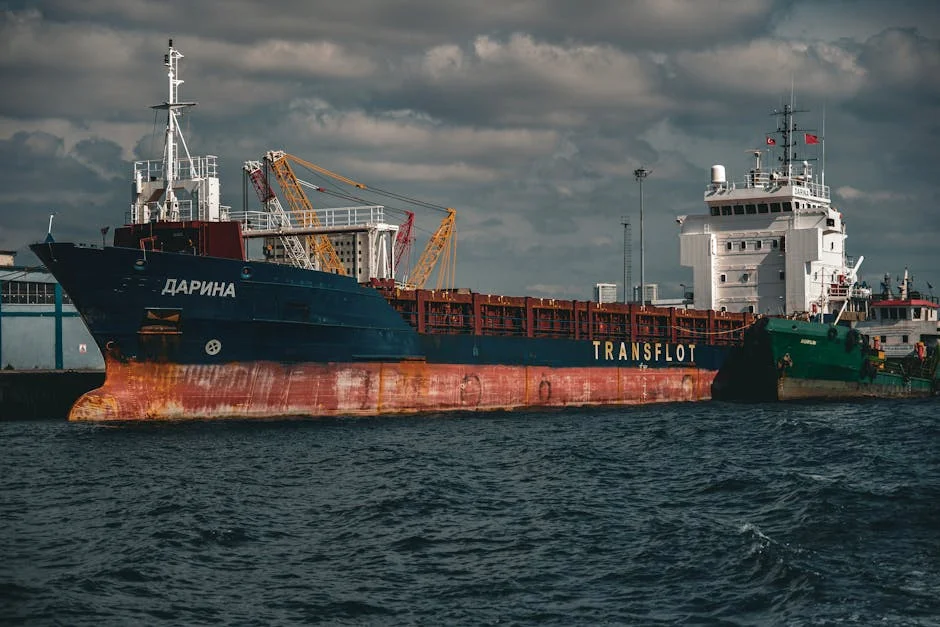
Africa's geopolitical importance is growing, with its vast resources and youthful population. These factors make it an attractive partner for India, which is looking to diversify its alliances and reduce reliance on traditional Western partners. The collaboration between India and Africa is seen as a model of South-South cooperation, showcasing how emerging economies can work together for mutual benefit.
Challenges and Opportunities
While the partnership holds promise, challenges remain. Infrastructure gaps, political instability in certain regions, and competition from other nations are some hurdles that both India and Africa need to navigate. Nonetheless, the commitment to a shared future continues to drive both parties towards deeper engagement.
Looking Ahead: Future Initiatives
As India and Africa continue to forge stronger ties, several upcoming initiatives are worth watching. The India-Africa Forum Summit is scheduled for next year, where leaders are expected to outline new areas of cooperation. Additionally, joint efforts in combating climate change and promoting sustainable development are on the agenda.
Observers will be keen to see how these developments progress and what new avenues of partnership emerge. As the global landscape continues to evolve, the India-Africa alliance stands as a beacon of stability and collaboration in an uncertain world.
See Also
- Portugal Moves Air Force Shooting Range: Alcochete to Alter do Chão - What It Means for Portalegre
- MoneyFlare Launches Free AI Crypto Bot — US Traders React
Africa's support is also deemed vital for India's aspirations to secure a permanent seat on the United Nations Security Council, where African nations represent a significant voting bloc.Why Africa Matters to IndiaAfrica's geopolitical importance is growing, with its vast resources and youthful population. The collaboration between India and Africa is seen as a model of South-South cooperation, showcasing how emerging economies can work together for mutual benefit.Challenges and OpportunitiesWhile the partnership holds promise, challenges remain.