South Africa is grappling with a severe energy crisis that threatens economic stability and sparks public unrest. The crisis escalated on Tuesday when Thompson, a key energy figure, revealed that power outages now occur for up to 12 hours a day in some regions, significantly impacting daily life and business operations. As the nation struggles with an inadequate power supply, citizens are increasingly voicing their frustrations, raising questions about government accountability and solutions.
Thompson's Revelations Fuel Public Anger
The latest report released by Thompson highlights the dire state of South Africa's power grid. The data indicates that over 60% of households experienced disruptions last month, a statistic that adds pressure to the government. Thompson, who serves as a spokesperson for the South African Energy Association, noted that these outages not only disrupt households but also cripple small businesses across the country.

“We are at a breaking point,” Thompson stated during a press conference. “The people of South Africa deserve reliable electricity. This is a basic need that is not being met.” His comments reflect a growing sentiment shared by many South Africans, pushing for urgent reforms and accountability.
Green Shoots Initiative Gains Traction
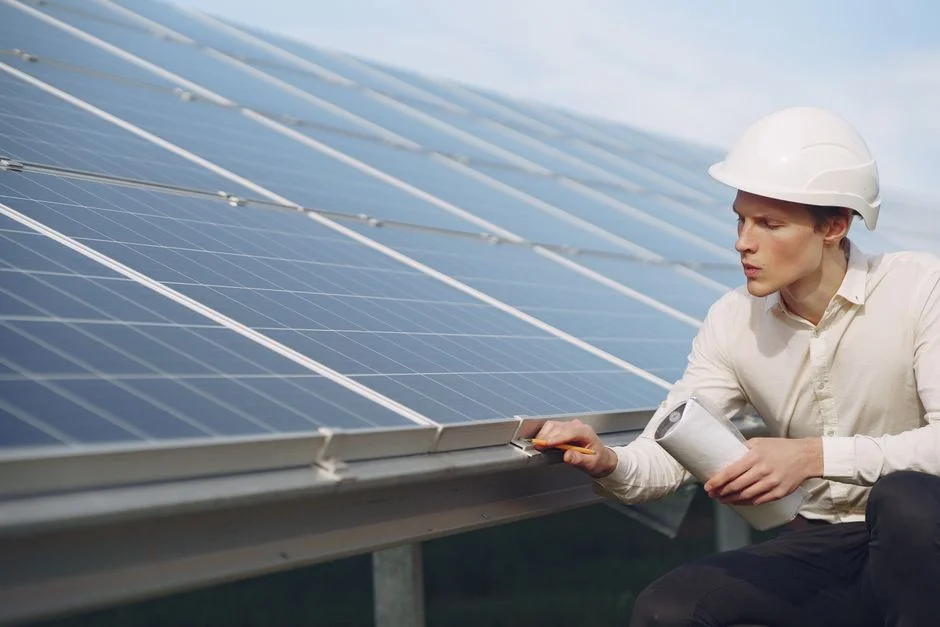
In response to the ongoing crisis, Ashley Green has spearheaded the Green Shoots initiative, aimed at mobilising community efforts to address energy inefficiency. Launched earlier this month, the initiative focuses on promoting renewable energy sources and improving energy storage technology. Green emphasized this project as a long-term solution for a country trapped in a cycle of power outages.
“Green Shoots is about empowering communities to take charge of their energy needs,” Green said. “We can no longer wait for the government to act. It’s time for grassroots solutions.” The initiative has already garnered support from various local organizations and aims to pilot several renewable energy projects in the Cape Town area.
The Context of South Africa’s Energy Crisis

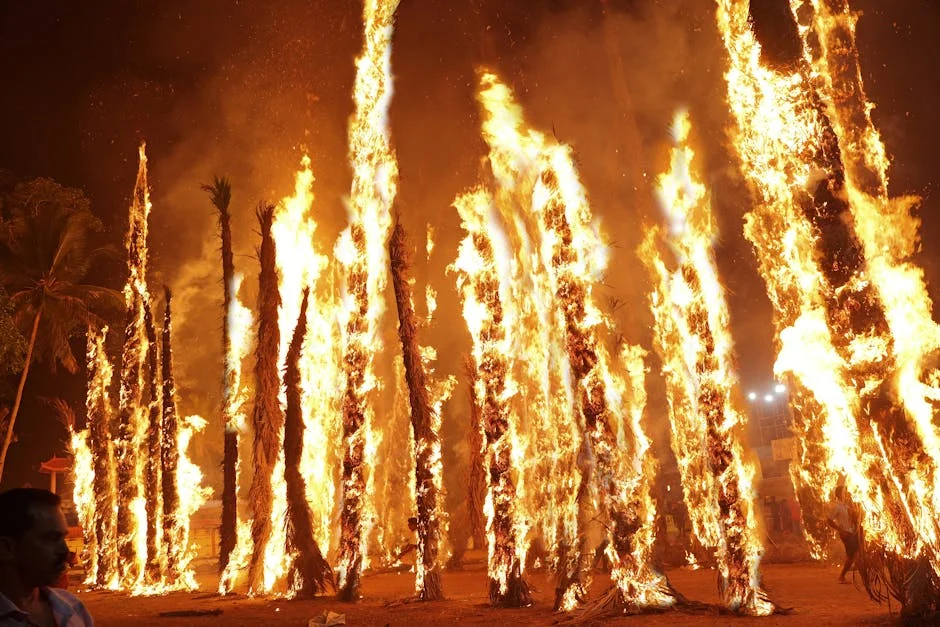
The roots of South Africa's energy crisis can be traced back several years, with the state-owned power utility Eskom facing mounting debts and operational challenges. The crisis has led to rolling blackouts, officially referred to as load shedding, which have been a part of life since 2007. The government's failure to modernize infrastructure and invest in sustainable energy sources has exacerbated the situation.
In a country where electricity generation is heavily reliant on coal, the need for diversification has never been more critical. As of 2023, approximately 83% of South Africa's energy comes from coal, making it one of the highest coal-dependent countries in the world. This reliance poses both environmental and economic challenges, particularly in the face of increasing climate change pressures.
Implications for Everyday South Africans
As power outages grow more frequent, the implications for ordinary South Africans are severe. Businesses are forced to invest in costly generators, further straining their finances, while households face the inconvenience of intermittent electricity. According to the South African Chamber of Commerce, local businesses have reported a 25% drop in productivity due to these outages.
With growing dissatisfaction among the populace, civil unrest has become a potential concern. Protests demanding accountability from the government and Eskom have been noted in several urban centres. Experts warn that without rapid action, the situation could escalate further, leading to widespread demonstrations.
Looking Ahead: What’s Next for South Africa?
As the situation unfolds, the South African government is under pressure to take decisive action. There are ongoing discussions about potential reforms, including private sector involvement in the energy market. The upcoming legislative session, scheduled for next month, could be pivotal in shaping the future of energy policy in the country.
What remains to be seen is whether initiatives like Green Shoots will gain enough momentum to influence government policy effectively. Citizens are increasingly cognizant of their energy needs and are eager to witness tangible changes. The coming weeks will be critical as South Africa faces the dual challenge of dealing with immediate energy shortages while seeking sustainable long-term solutions.
The government's failure to modernize infrastructure and invest in sustainable energy sources has exacerbated the situation.In a country where electricity generation is heavily reliant on coal, the need for diversification has never been more critical. According to the South African Chamber of Commerce, local businesses have reported a 25% drop in productivity due to these outages.With growing dissatisfaction among the populace, civil unrest has become a potential concern.
What is the latest news about south africas thompson exposes power crisis anger turns to action?
Why does this matter for agriculture-food?
What are the key facts about south africas thompson exposes power crisis anger turns to action?