Former Eskom chief executive André de Ruyter has outlined a blueprint for bringing down South Africa's stubbornly high electricity prices, pointing to Australia as a working example of how competitive energy markets can drive down costs for consumers and businesses alike.
The Australian Comparison
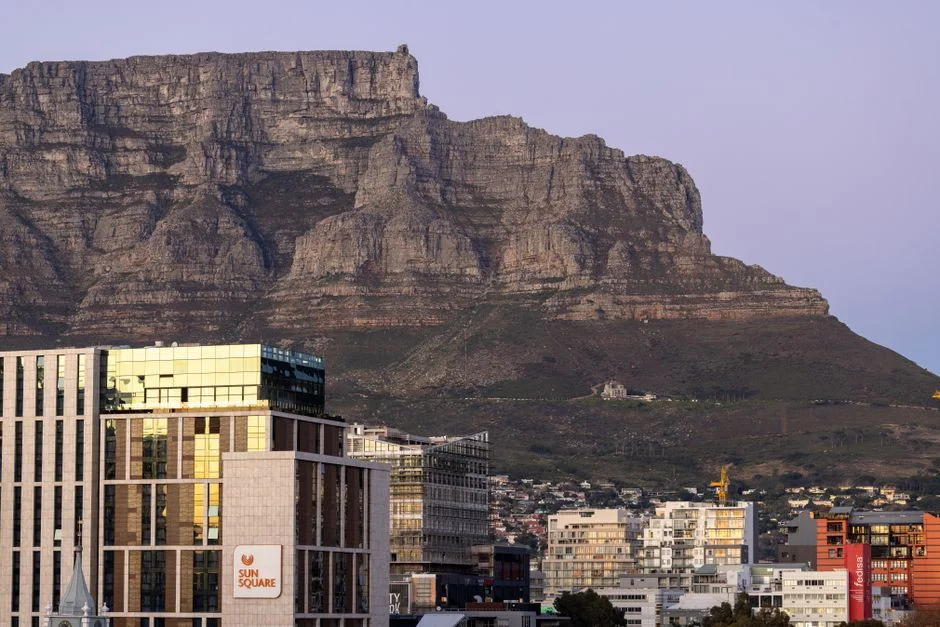
De Ruyter, who led South Africa's embattled state power company until 2023, told reporters in Cape Town this week that Australia's deregulated electricity market offers a template Johannesburg could follow. The Australian National Electricity Market has operated with multiple generators competing for customers since the 1990s, creating price pressure that South Africa's vertically integrated system has never experienced.

"Australia shows that when generators compete, prices fall," de Ruyter said. "We have the natural resources — sun, wind, coal — but our structure prevents those advantages from reaching end users."
In South Africa, residential electricity tariffs have risen by more than 400 percent over the past decade, according to data from the National Energy Regulator. Small businesses have borne the brunt, with many citing power costs as a top constraint on expansion.
Why South Africa's Market Differs
South Africa's electricity sector remains dominated by Eskom, which generates roughly 95 percent of the country's power and operates the transmission network. This concentration means there is limited competition to force efficiency gains or price reductions.
De Ruyter argues the solution is not simply breaking up Eskom but introducing genuine competition in generation. Australia deregulated its wholesale electricity market in the late 1990s, allowing companies to build new power stations and compete to sell electricity to retailers.
The result has been volatile but generally downward pressure on wholesale prices, particularly as renewables have entered the market. Solar and wind generation in Australia now accounts for a growing share of the energy mix, pushing out more expensive coal-fired power.
Regulatory Changes Needed
For South Africa to replicate this, de Ruyter says the government must amend the Electricity Regulation Act to allow independent power producers to access the grid on equal terms with Eskom. Currently, Eskom controls grid access, creating barriers for new entrants. The Ministry of Mineral Resources and Energy would need to fast-track licensing for new generation projects.
"The regulatory framework was built for a monopoly," de Ruyter noted. "It needs to be rebuilt for a market."
The Renewable Opportunity

Australia's experience also demonstrates how renewable energy can drive down wholesale prices. The Australian Energy Market Operator reports that large-scale solar and wind projects now produce electricity at costs well below existing coal plants. In South Africa, the Renewable Energy Independent Power Producer Procurement Programme has attracted billions in private investment, but progress has stalled amid Eskom's resistance to connecting new projects.
De Ruyter proposes that South Africa follow Australia's approach of allowing private companies to build and operate renewable farms that feed directly into the national grid, with generators competing to offer the lowest price per megawatt-hour.
Projects in the Northern Cape, where solar irradiation is among the highest in the world, could supply cheap power to industrial heartlands in Gauteng. The challenge is building the transmission infrastructure to connect these resources to demand centres.
Political Obstacles Ahead
Any restructuring faces significant political resistance. Eskom employs around 46,000 workers, and any move that threatens those jobs would face fierce opposition from the National Union of Mineworkers and other labour allies of the ruling ANC.
Finance Minister Enoch Godongwana has signalled openness to electricity market reform in recent budget speeches, but concrete legislation has yet to emerge from Parliament. The Department of Mineral Resources and Energy has published discussion documents on market restructuring, but critics say these lack binding timelines.
The ANC's alliance with COSATU, the trade union federation, creates additional pressure. Union leaders have warned against "selling off" Eskom, framing market liberalisation as a threat to national sovereignty rather than an opportunity for lower prices.
What Comes Next
De Ruyter's proposals arrive as South African households face another round of tariff increases. Eskom has applied to the energy regulator for a 12.7 percent price hike for the 2025 fiscal year, which would add hundreds of rands to monthly electricity bills for average consumers.
Industry groups have welcomed the discussion. Business Unity South Africa released a statement calling for "urgent structural reform" to prevent further industrial decline. Manufacturing sectors, particularly aluminium and steel, have long argued that electricity prices make their products uncompetitive in global markets.
The National Energy Regulator is expected to issue its ruling on Eskom's tariff application by March. Whether the government uses that moment to signal a shift toward market competition remains to be seen. De Ruyter has offered a roadmap; the question is whether Pretoria has the political will to follow it.
Watch for parliamentary hearings on electricity market reform scheduled for the second quarter of this year, where lawmakers will face pressure from both business and labour to either act or defend the status quo.
See Also
- Opposition Slams GHMC Over 'Unscientific' Reforms — Calls for Reassessment
- Houthis Fire First Missile at Israel as Middle East Tensions Surge