Joburg's Executive Mayor, Thapelo Masuku, delivered a challenging budget speech on Tuesday, revealing the financial hurdles the city faces as it prioritises essential services. The budget, amounting to R70 billion (approximately $4.2 billion), aims to address the pressing needs of the community but falls short of expectations for many residents.
Budget Overview and Allocations
During the speech, Masuku outlined key allocations in the budget, highlighting a focus on public transport and housing. While the transport sector will receive R10 billion, community safety initiatives will be allocated R5 billion. However, critics point out that these amounts may not be sufficient to tackle the issues facing Joburg’s under-resourced communities.
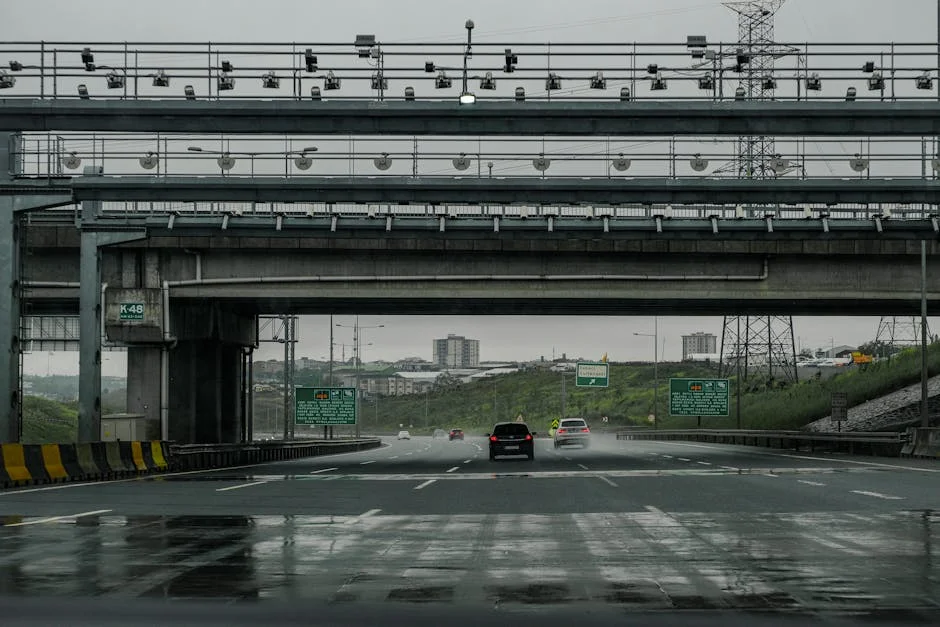
The budget reflects a decrease of R1.5 billion from last year, prompting concerns about cuts in essential services. Masuku acknowledged the difficult decisions ahead, stating, "We have worked hard to create a fiscally responsible budget, but sacrifices must be made."
Community Reactions and Concerns
Many residents in Joburg’s townships expressed disappointment with the budget outcome. In areas such as Soweto and Tembisa, community leaders argue that the allocated funds do not address rising unemployment and crime rates. Phumzile Mlambo, a community activist, stated, "This budget does not reflect the urgent needs of our communities. We are facing a crisis, and more funding is essential."
Joburg’s unemployment rate stands at 34%, one of the highest in South Africa. The lack of effective funding in the budget has raised alarms about the potential for increased instability and social unrest in the coming months.
Economic Context and Budget Implications


The budget's tight constraints come amid South Africa's broader economic struggles, including high inflation rates and deteriorating public services. With an economy that has contracted significantly post-pandemic, city officials face a tough balancing act of managing limited resources while meeting the needs of a growing urban population.
Masuku stressed the importance of working with national government to secure additional funding. "The City cannot operate in isolation. We need partnerships to solve these challenges, especially in areas like economic recovery and infrastructure development," he noted.
Future Prospects and Key Dates
As Joburg navigates these fiscal challenges, residents are left questioning the long-term viability of current programs. The budget will undergo further scrutiny during a city council meeting scheduled for later this month. Residents and advocates are preparing to challenge the allocations and push for a more equitable distribution of resources.
Looking ahead, community leaders and local organisations plan to rally for increased budget transparency and accountability. They will seek to ensure that the voices of affected communities are heard in the upcoming budget hearings.
Challenges Ahead
Masuku’s budget speech highlighted the ongoing financial challenges that Joburg faces. With many communities feeling overlooked, the implications of this budget extend beyond immediate services; it reflects deeper systemic issues within the city’s governance. Advocates underscore the necessity for reforms to ensure that budget priorities better match the needs of all residents.
As the year progresses, observers will be keen to see how Masuku and his administration address these concerns and whether they can leverage national support to stabilize the city’s economic situation. Key developments in the upcoming council meetings will be crucial for shaping the future of Joburg’s finances and service provisions.
See Also
- IMD Warns of Hailstorms in Kashmir Valley Amid Western Disturbance
- Volvidos Launches New Pedagogical Innovation Initiative – Boost for Higher Education