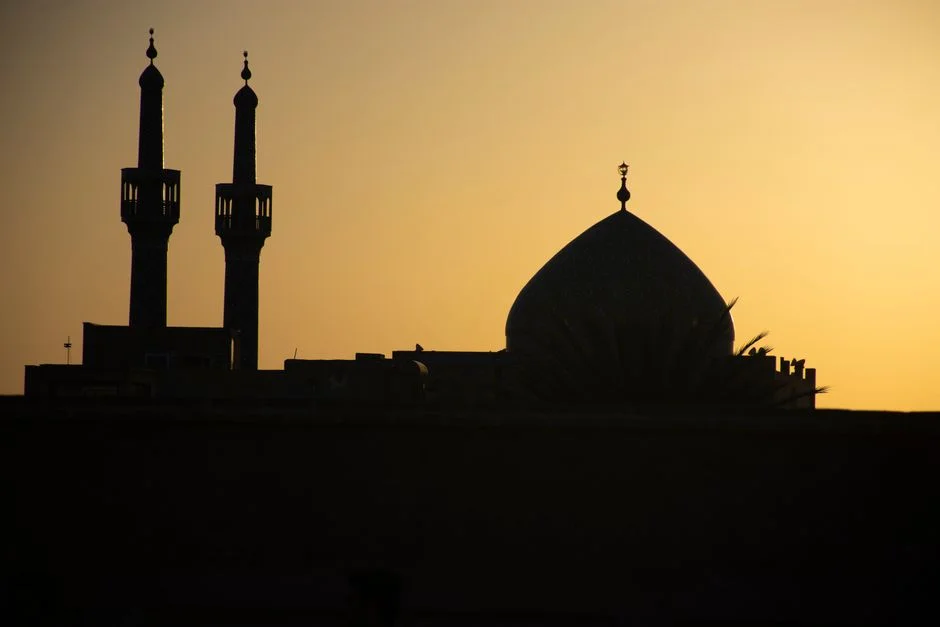
Former US President Donald Trump has warned Iran that it "cannot blackmail the United States with the Strait of Hormuz," escalating tensions in the region. The statement, made during a recent press appearance, highlights the ongoing geopolitical friction over control of one of the world's most critical maritime chokepoints. The Strait of Hormuz, located between Iran and the United Arab Emirates, is a key route for global oil shipments, with over 20% of the world's oil passing through it daily.
What Trump Said and Why It Matters
Trump's remarks came amid renewed concerns over Iran's growing influence in the region. The former president, known for his hardline approach to foreign policy, emphasized that the US would not tolerate any attempts by Iran to restrict access to the Strait of Hormuz. "We will not let Iran hold us hostage," he said, echoing a long-standing US stance on maritime security.
The Strait of Hormuz, a narrow waterway in the Persian Gulf, has been a flashpoint for conflict for decades. In 2019, Iran seized a British-flagged oil tanker, prompting a diplomatic crisis. The US has since increased its military presence in the region, with naval forces conducting regular exercises near the strait. Analysts say Trump's comments signal a potential shift in US strategy, as the administration seeks to counter Iran's regional ambitions.
Historical Context and Regional Tensions
The Strait of Hormuz has been a focal point of international tension since the 1970s. Its strategic importance is underscored by the fact that it is the only maritime passage between the Persian Gulf and the open ocean. In 2020, the US and Iran came close to war after the killing of Iranian general Qasem Soleimani, an event that heightened fears of a direct military confrontation.
Recent developments have only added to the volatility. In May 2023, Iran announced plans to expand its naval capabilities in the region, including the deployment of advanced missile systems near the strait. The move has drawn criticism from the US and its allies, who view it as a direct threat to regional stability. Trump's recent warning may be a response to these growing concerns.
Impact on Global Oil Markets

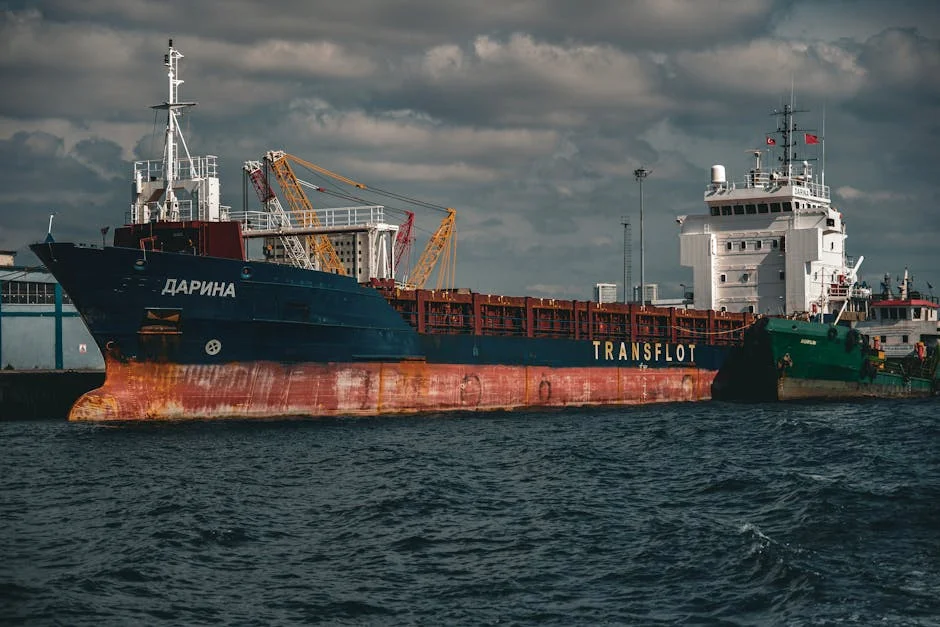
The Strait of Hormuz's strategic significance extends beyond geopolitics. It is a critical artery for global energy supplies, with approximately 17 million barrels of oil passing through it daily. Any disruption to this flow could send shockwaves through global markets. In 2019, when tensions flared between the US and Iran, oil prices spiked by over 20% in a single day.
Analysts warn that the current situation could lead to similar disruptions. "The Strait of Hormuz is a global economic linchpin," said Dr. Emily Carter, a geopolitical economist at the University of California. "Any military action or blockade could have far-reaching consequences for oil prices and global trade."
What the US Is Doing to Protect the Strait
The US has taken several measures to safeguard the Strait of Hormuz. In 2022, the Department of Defense announced the deployment of additional naval assets, including aircraft carriers and guided-missile destroyers, to the region. These forces are part of the US Fifth Fleet, which operates out of Bahrain and is responsible for monitoring maritime security in the Persian Gulf.
Additionally, the US has been conducting joint military exercises with regional allies, including the UAE and Saudi Arabia. These drills aim to strengthen security cooperation and deter any potential aggression. However, some experts argue that these measures may not be enough to prevent escalation.
What to Watch Next
As tensions continue to rise, the international community is closely monitoring developments in the Strait of Hormuz. The next few weeks will be crucial in determining whether the situation de-escalates or moves toward confrontation. Diplomatic efforts are ongoing, with the US and Iran engaged in indirect talks through third-party mediators.
Key events to watch include a scheduled meeting between US Secretary of State Antony Blinken and Iranian officials in Geneva later this month. The outcome of these discussions could have a significant impact on the region's stability. Meanwhile, the US is also expected to announce new sanctions against Iranian entities linked to its naval expansion.
See Also
- Pakistan Army Reopens Cold War Ties With Iran Amid Tensions
- Autoridade Launches New Searches in Altice Case - Operation Picoas Reveals More on Armando Pereira
The outcome of these discussions could have a significant impact on the region's stability. Analysts warn that the current situation could lead to similar disruptions.