Cape Town’s City Council has launched a comprehensive activation program designed to revitalize the Central Business District over a single weekend. The initiative aims to draw residents and tourists back into the heart of the city through a series of coordinated public events and infrastructure improvements. This effort marks a strategic shift in how local authorities manage urban space in one of Africa’s most prominent economic hubs.
A New Vision for the CBD
The City of Cape Town confirmed that the weekend schedule includes street closures, pop-up markets, and performance art installations along major thoroughfares. Planners have identified the Inner City as the primary zone for these interventions, targeting areas that have seen fluctuating foot traffic in recent years. The goal is to create a more inviting atmosphere that encourages prolonged stays rather than quick commutes.
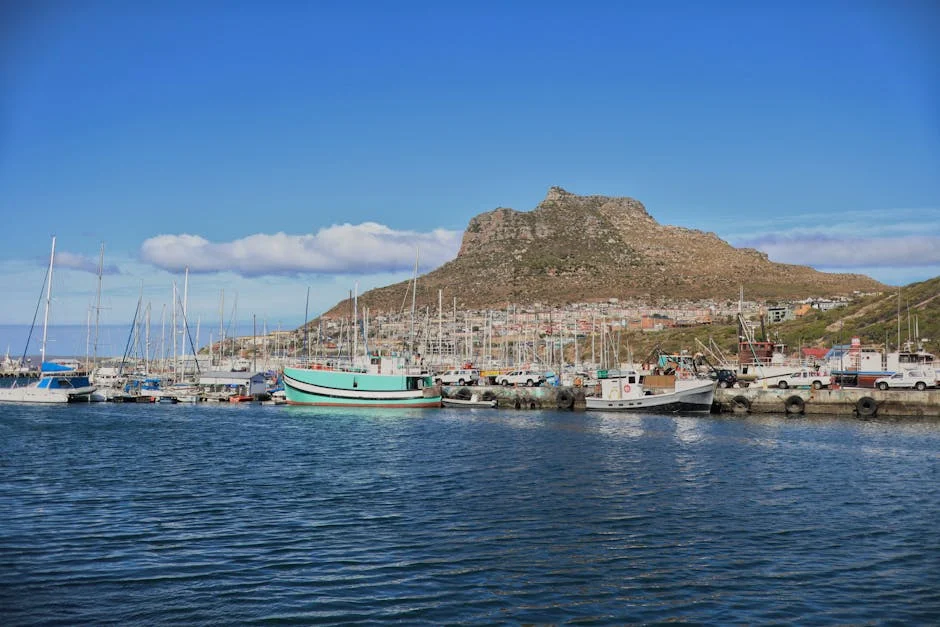
Officials emphasized that this is not a one-off festival but part of a broader urban regeneration strategy. The program seeks to address the unique challenges of post-pandemic urban recovery in South Africa. By focusing on experiential elements, the city hopes to rebrand the CBD as a cultural destination rather than just a workplace.
The scope of the project covers several key streets in the precinct. Local businesses have been invited to extend their hours to capitalize on the increased visibility. This collaboration between municipal planners and private enterprise is intended to demonstrate the economic potential of a well-managed public realm.
Understanding the Inner City Dynamics
The Inner City of Cape Town has undergone significant changes since the decline of the manufacturing sector decades ago. Many buildings were left vacant, leading to perceptions of stagnation in areas like Buitengrachtch and Adderley Street. Recent developments have aimed to reverse this trend through mixed-use housing and commercial upgrades.
The current activation weekend builds on these structural changes. It provides a live testing ground for how the new infrastructure is utilized by the public. Residents can experience the pedestrian-friendly zones that have been designed to reduce car dominance in the core area. This shift towards walkability is a central theme in modern urban planning across the continent.
Community leaders have expressed cautious optimism about the initiative. They note that sustained engagement is necessary to maintain the momentum generated by a single weekend. The success of this event will likely influence future funding allocations for public space management in the municipality.
Economic and Social Impacts
The economic implications of a revitalized CBD extend beyond immediate retail sales. Increased foot traffic supports local cafes, galleries, and service providers that form the backbone of the inner city economy. This activity helps stabilize property values and attracts further investment from developers looking for stable returns.
Socially, the activation aims to bridge the gap between different demographic groups within the city. The Inner City has historically been diverse, yet economic barriers often limited interaction between neighborhoods. Public space activations create neutral grounds where these interactions can occur more organically. This social cohesion is vital for a city with Cape Town’s complex demographic history.
Key Features of the Weekend Program
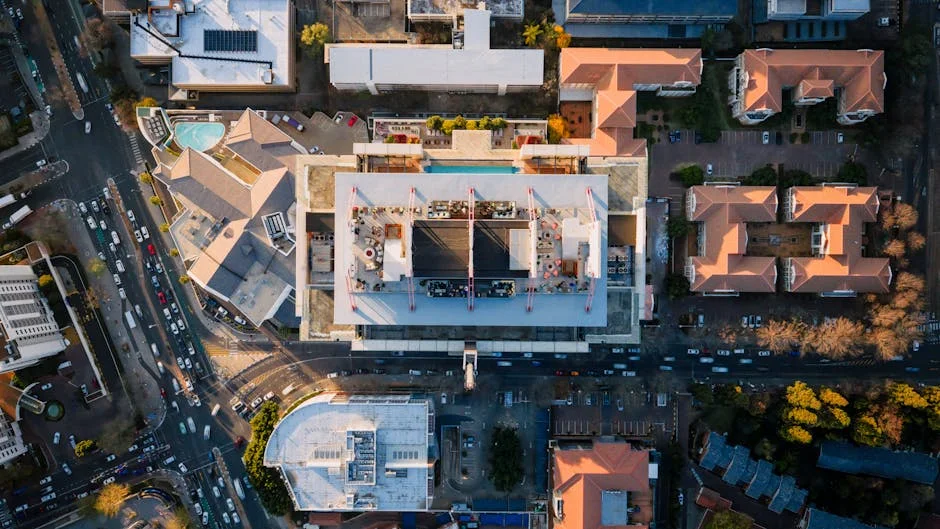
The schedule for the upcoming weekend includes a variety of activities designed to appeal to different age groups. Families can expect interactive art installations and playground zones set up in key squares. Young professionals and tourists will find curated music performances and food truck gatherings along the waterfront-adjacent streets.
Transport logistics have been carefully planned to minimize disruption while maximizing accessibility. The City of Cape Town has coordinated with bus and taxi operators to ensure smooth movement of people in and out of the closure zones. Shuttle services will run at increased frequencies to connect peripheral neighborhoods with the central hub.
Security arrangements are also a focal point of the planning process. Given the scale of the expected crowds, a joint task force comprising municipal police and private security firms will be deployed. Their presence aims to ensure that the atmosphere remains relaxed and safe for all participants.
- Street closures on major commercial arteries to create pedestrian zones.
- Pop-up retail markets featuring local artisans and small businesses.
- Live music and performance art scheduled throughout the day.
- Enhanced public transport links to facilitate easy access.
Historical Context of Urban Revival
Cape Town’s approach to CBD regeneration follows a pattern seen in other global cities. After years of suburban flight, urban cores are being re-evaluated as prime living and leisure spaces. The city has invested heavily in cleaning up the streets and upgrading public amenities to support this transition. These physical improvements provide the foundation for the programming seen this weekend.
The role of the waterfront as an anchor for the inner city cannot be overstated. Its success has created a ripple effect, encouraging development and activity further inland. This weekend’s activations aim to extend that vibrancy into the streets that connect the waterfront to the central business district. Creating a seamless experience is a key objective for urban planners.
Historical preservation also plays a role in the current strategy. Many buildings in the Inner City have architectural significance that adds character to the area. The activation program seeks to highlight these structures by using them as backdrops for events and exhibitions. This approach balances modernization with a respect for the city’s heritage.
Stakeholder Perspectives
Local business owners have been actively involved in the planning stages. Many have expressed enthusiasm about the potential for increased revenue during the event. Some have noted that the uncertainty of the post-pandemic market makes such targeted interventions necessary to maintain consumer interest. Their feedback has helped shape the specific offerings of the weekend program.
Tourism boards have also endorsed the initiative as a way to extend visitor stays. Cape Town is a major destination, but tourists often concentrate on a few key areas. By activating the Inner City, the city hopes to disperse visitor numbers and reduce pressure on other hotspots. This strategy aims to provide a more balanced experience for international guests.
Urban development experts have praised the integrated nature of the plan. They point out that combining physical infrastructure improvements with dynamic programming creates a more resilient urban environment. This holistic approach is seen as a model for other South African cities facing similar regeneration challenges. The City of Cape Town is positioning itself as a leader in this field.
Implications for Regional Development
The success of this weekend event could have broader implications for regional urban policy. If the Inner City revival generates sustained interest, it may encourage similar projects in other municipalities. This could lead to a more coordinated approach to CBD management across the Western Cape province. Regional cooperation on urban renewal is an area of growing interest among local government officials.
Internationally, Cape Town’s efforts contribute to the global conversation about sustainable urban living. The city’s focus on public space and walkability aligns with trends in Europe and North America. This alignment may attract further international investment and tourism to the region. Demonstrating effective urban management is a key factor in global competitiveness.
The data collected during this weekend will be crucial for future planning. Sensors and surveys will measure foot traffic, dwell time, and consumer spending patterns. This empirical evidence will help refine the strategy for subsequent activations and long-term infrastructure projects. Data-driven decision-making is becoming increasingly important in modern municipal governance.
Looking Ahead: What Comes Next
The City of Cape Town has indicated that this weekend is just the beginning of a longer series of activations. Plans are already underway for quarterly events that will keep the Inner City dynamic throughout the year. Consistency is seen as the key to changing public perception and establishing new habits among residents and visitors. The next phase of the program is expected to be announced within the coming months.
Stakeholders are advised to monitor the official municipal channels for updates on future dates and themes. The city aims to create a predictable calendar that businesses and tourists can plan around. This stability is essential for maximizing the economic and social benefits of the regeneration effort. Keeping an eye on these developments will provide insight into the evolving face of Cape Town’s urban core.
See Also
- Liverpool Targets Andoni Iraola for Head Coach Role Amidst Club Shakeup
- Hearts Defeats Falkirk: Scottish Football Captivates US Viewers