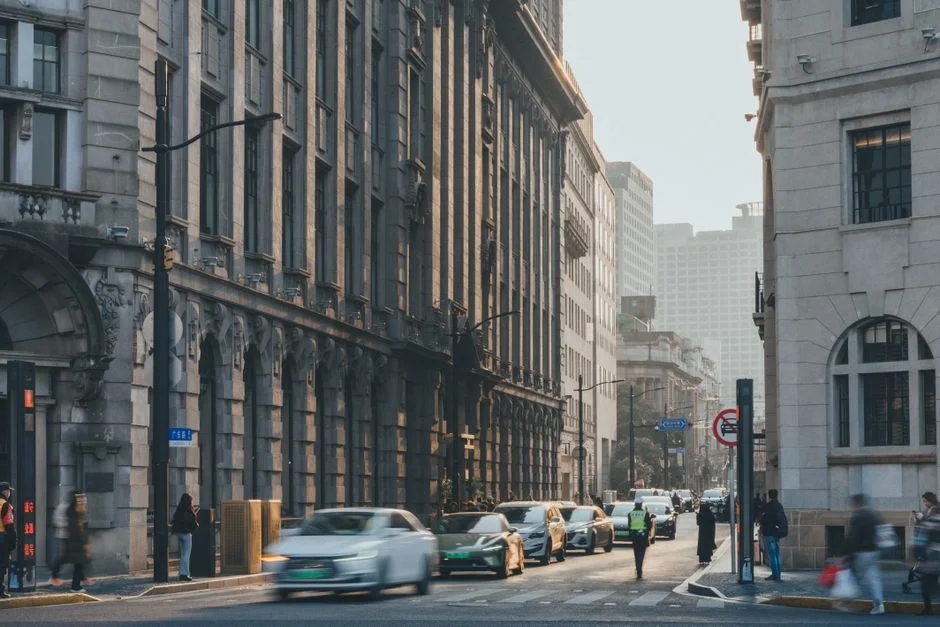
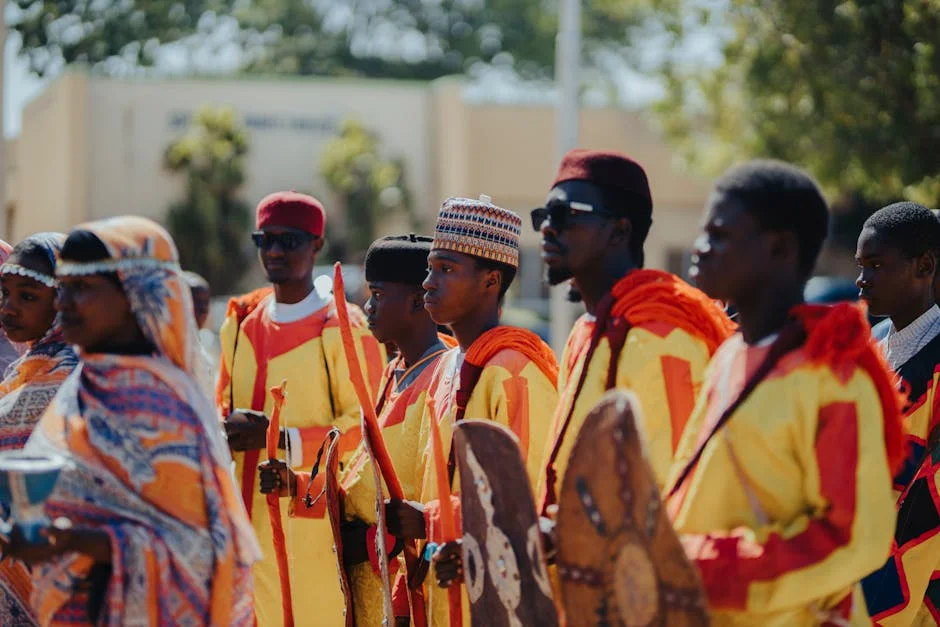
Johannesburg’s cultural institutions launched a coordinated celebration of International Museum Day, spotlighting the city’s role as a living archive of South African history. The Johannesburg Art Gallery led the initiative, drawing thousands of visitors to its main hall and the adjacent Newtown precinct for a day of exhibitions and public engagement. This event underscores the growing economic and social value of cultural heritage in a city that continues to grapple with urban transformation.
The celebration is not merely a ceremonial occasion but a strategic move to assert the relevance of museums in the post-pandemic era. Organizers emphasized the need to connect historical narratives with contemporary social issues, ensuring that institutions remain vital to the communities they serve. The focus on accessibility and digital integration marks a shift in how these spaces operate, moving beyond static displays to dynamic, interactive experiences.
Strategic Focus on Accessibility and Inclusion
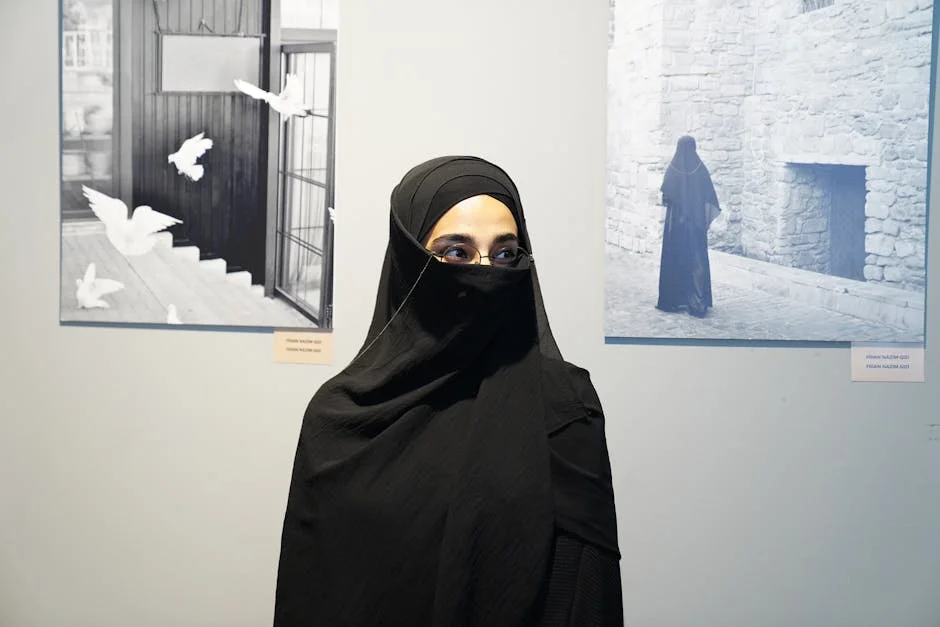
The Johannesburg Art Gallery announced a new suite of initiatives designed to lower barriers to entry for diverse audiences. These measures include free entry for students and local residents on specific weekdays, as well as extended evening hours to accommodate working professionals. The gallery director stated that making art and history accessible is essential for fostering a shared sense of identity in a multicultural city.
Efforts to diversify the collection have also taken center stage, with a new wing dedicated to contemporary African artists. This expansion reflects a broader trend in South African museums to decolonize narratives and highlight voices that were previously marginalized. By integrating modern perspectives with historical artifacts, the gallery aims to create a more comprehensive picture of the nation’s journey.
Community Engagement Programs
Beyond the walls of the gallery, community outreach programs have expanded to include school partnerships and local artist residencies. These initiatives allow students to engage directly with curators and artists, providing hands-on learning opportunities that complement traditional classroom education. The gallery has reported a 15% increase in school group visits over the last fiscal year, indicating a growing appetite for experiential learning.
Local artists have also benefited from residency programs that provide studio space and mentorship. This support structure helps nurture emerging talent and ensures that the city’s cultural scene remains vibrant and innovative. The gallery’s commitment to nurturing local creativity has strengthened its position as a hub for artistic innovation in the region.
The Pink Building and Newtown Precinct
The celebration extended to the Pink Building and the wider Newtown precinct, which has emerged as a key cultural destination in Johannesburg. The Pink Building, known for its vibrant architecture and eclectic mix of galleries and performance spaces, hosted a series of live performances and pop-up exhibitions. This integration of visual arts with performing arts creates a dynamic environment that attracts a younger demographic.
Newtown’s transformation into a cultural hub is part of a broader urban regeneration strategy. Local businesses, including cafes, bookstores, and boutique shops, have benefited from the increased foot traffic generated by museum visits. The synergy between cultural institutions and local commerce demonstrates the economic multiplier effect of investing in the arts.
City planners have recognized the importance of preserving the architectural heritage of Newtown while allowing for modern development. The balance between preservation and innovation is crucial for maintaining the area’s unique character. This approach has been praised by urban development experts who see Newtown as a model for sustainable urban growth.
Economic Impact of Cultural Institutions
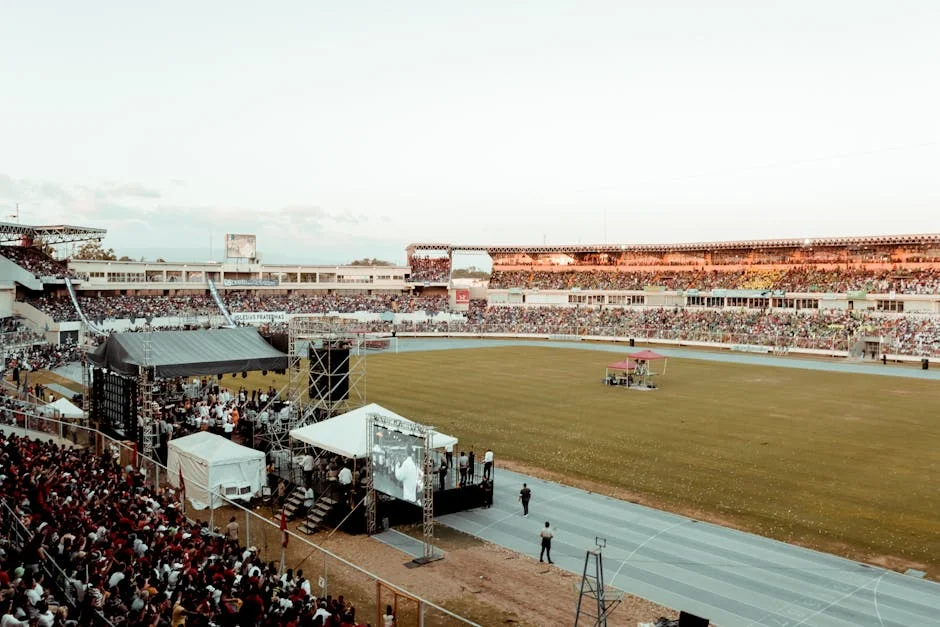
The economic contribution of Johannesburg’s museums and galleries is increasingly significant. These institutions attract both domestic and international tourists, contributing to the city’s reputation as a cultural destination. The tourism sector benefits from the extended stays of visitors who wish to explore the city’s rich artistic heritage, leading to increased spending on accommodation, dining, and retail.
Job creation is another key benefit of the cultural sector. Museums and galleries employ a diverse range of professionals, from curators and conservators to marketing specialists and event coordinators. The sector also supports indirect employment in related industries, such as transportation and hospitality. This economic impact is particularly important in a city with high unemployment rates.
The financial sustainability of these institutions remains a challenge, with many relying on a mix of government funding, private donations, and ticket sales. The Johannesburg Art Gallery has implemented innovative fundraising strategies, including corporate sponsorships and membership programs. These efforts help to diversify revenue streams and reduce dependence on volatile public funding.
Context of South Africa’s Cultural Landscape
South Africa’s cultural landscape is rich and diverse, reflecting the country’s complex history and multicultural population. Museums play a crucial role in preserving and interpreting this heritage, providing a space for dialogue and reflection. The International Museum Day celebrations highlight the importance of these institutions in shaping national identity and fostering social cohesion.
The history of South African museums is intertwined with the nation’s political journey. During the apartheid era, museums often served as tools for propaganda, highlighting certain narratives while marginalizing others. In the post-apartheid era, there has been a concerted effort to reinterpret these narratives and include a wider range of perspectives. This process of re-evaluation is ongoing and continues to shape the way history is presented.
The role of museums in contemporary South Africa extends beyond preservation. They are increasingly seen as active agents of social change, addressing issues such as inequality, gender, and environmental sustainability. By engaging with current social debates, museums remain relevant and impactful in the lives of citizens.
Digital Transformation and Innovation
Digital technology has transformed the way museums operate and engage with audiences. The Johannesburg Art Gallery has invested in digital archives and virtual tours, making its collections accessible to a global audience. These digital initiatives allow people who may not be able to visit in person to experience the gallery’s offerings, expanding its reach and impact.
Social media has also become a powerful tool for museums to connect with younger audiences. The gallery’s active presence on platforms like Instagram and Twitter allows for real-time engagement and behind-the-scenes glimpses into the curation process. This digital strategy helps to build a loyal following and generate excitement for upcoming exhibitions.
Virtual reality and augmented reality are being explored as ways to enhance the visitor experience. These technologies allow for immersive experiences that bring historical events and artworks to life. While still in the early stages, these innovations have the potential to revolutionize how people interact with cultural heritage.
Challenges Facing Cultural Institutions
Despite their importance, cultural institutions in Johannesburg face several challenges. Funding remains a primary concern, with many institutions struggling to balance their budgets in an uncertain economic climate. The need for continuous investment in infrastructure, collections, and staff is critical for maintaining high standards of service.
Security is another significant issue, particularly for museums located in urban areas. The theft of valuable artifacts and artworks can have a devastating impact on collections and visitor confidence. Enhanced security measures and insurance strategies are essential for protecting these cultural treasures.
Competition for audience attention is also intensifying. With the rise of digital entertainment and other leisure activities, museums must work harder to attract and retain visitors. Innovative programming and marketing strategies are necessary to stand out in a crowded marketplace.
Looking Ahead: Future Developments
The momentum generated by International Museum Day is expected to continue throughout the year. The Johannesburg Art Gallery plans to launch a major retrospective exhibition in the autumn, focusing on the work of a prominent South African artist. This exhibition aims to draw large crowds and generate significant media attention.
Future developments will also include further expansion of the digital platform, with the addition of new interactive features and educational resources. The gallery aims to make its digital offerings more inclusive and accessible, ensuring that a wider range of users can benefit from them. This digital strategy is seen as a key driver of future growth and engagement.
Stakeholders in the cultural sector are watching closely to see how these initiatives unfold. The success of the Johannesburg Art Gallery’s strategy could serve as a model for other museums in the region. Observers will be monitoring visitor numbers, financial performance, and public engagement metrics in the coming months to assess the impact of these changes.
See Also
- Knicks Crush Cavaliers 18-Point Surge to Seize Eastern Edge
- WWE Confirms Major Upsets at Clash in Italy — Fans Left Reeling
What is the latest news about johannesburg art gallery reveals heritage strategy for museum day?
Why does this matter for education?
What are the key facts about johannesburg art gallery reveals heritage strategy for museum day?